The Renault 5 electric and its CMF-B EV platform begin durability tests
 David Lopez @espacionblanco
31 March 2023
3 min.
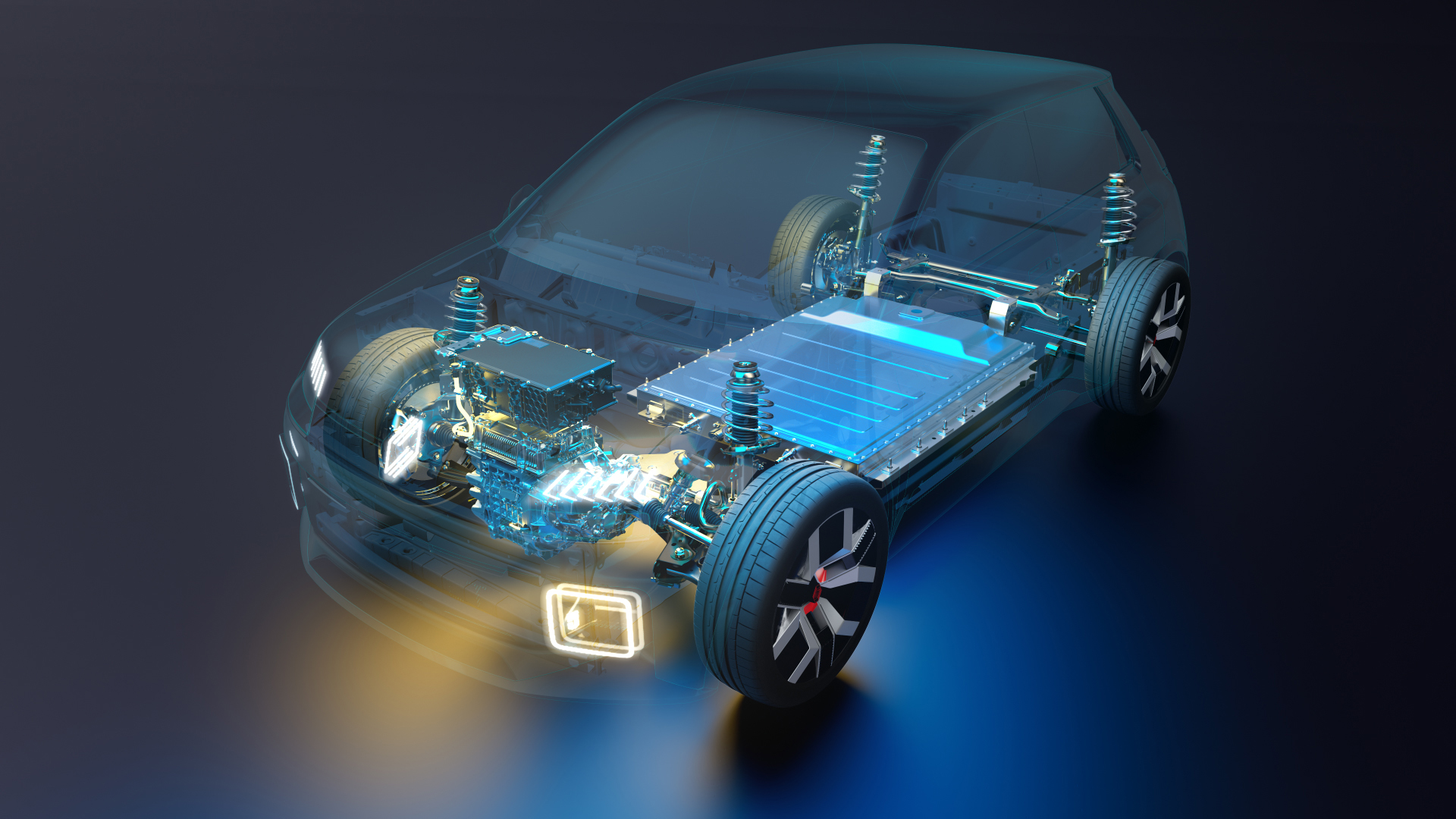
The Renault 5 electric test mules go out to put their components through extreme conditions, together with the new CMF-B EV platform
As we already anticipated a few months ago, the Renault 5 will become a reality in electric form, a reality that is getting closer to coming true as the French company advances, and which is already testing the nine test mules it uses for this work under different conditions. Specifically, they will do so in extreme conditions in Arvidsjaur, in Swedish Lapland, as well as at Renault’s technical centres in Lardy and Aubevoye.
Every vehicle is subjected to testing in extreme conditions, both heat and cold, the latter being very significant especially in an electric vehicle, since the batteries are perhaps where they suffer most. That is why Renault has chosen the region of Arvidsjaur, close to the Arctic Circle, to carry out these tests. It is a frozen land where temperatures below -30ºC are not hard to reach, with cutting winds added, perfect conditions for testing the future Renault 5.
This test checks several elements fundamental to the operation of an electric vehicle, especially the different parts of the electric motor together with the battery pack, although it will not be the only thing, since Renault’s engineers also carry out various checks on the different systems of the Renault 5, such as heating, windscreen defogging, the proper functioning of the braking system or the suspension system. In short, numerous components of the Renault 5 that could not be replicated in test facilities.
What can be replicated in test facilities designed for that purpose are those the company has in Aubevoye: 272 hectares of forest in an undisclosed exact location, comprising 35 tracks totalling 60 kilometres, 42 test lines, 2 wind tunnels and 18 corrosion chambers, as well as numerous state-of-the-art tools and means to reproduce every kind of stress the Renault 5 will be subjected to, that is, especially the rough treatment and misuse we can give a vehicle in our day-to-day lives.
These tests to which the Renault 5 will be subjected will also be an opportunity for engineers to see the new CMF-B EV platform in action. It is based on the current CMF-B platform used by the Clio and the Captur, and adopts 70% of its parts, while also being 30% cheaper to manufacture compared with the ZOE. This last point is because the new CMF-B EV platform is much easier to manufacture, develop and therefore optimise for the performance of the brand’s future electric B-segment models, which will also use it.
In addition, the new CMF-B EV platform features a smaller engine compartment, with an electric motor that will be based on the electrically excited synchronous motor currently used in the ZOE or the Megane E-Tech electric. The great advantage of this new motor is that it delivers better performance than a permanent magnet motor, and it does not need rare earths, which lowers its cost, and it receives a new internal architecture that reduces its weight by 20 kilograms compared with the ZOE’s. But the weight reduction does not end there, since the battery is also based on the ZOE’s 12-module pack, modified to 4 large modules that cut 15 kilograms from its weight, while also simplifying its architecture.


 Peugeot E-208 GTi: a battery-powered toy that revives the spirit of the 1980s sports cars
 New Lexus ES: luxury grows and goes electric
 First contact with the Dacia Sandero Hybrid 155: power and efficiency from €19,890
Deja un comentario