Warning: Danger! Two out of every ten cars you pass put you at risk
 Guillermo Lopez
20 June 2018
5 min.
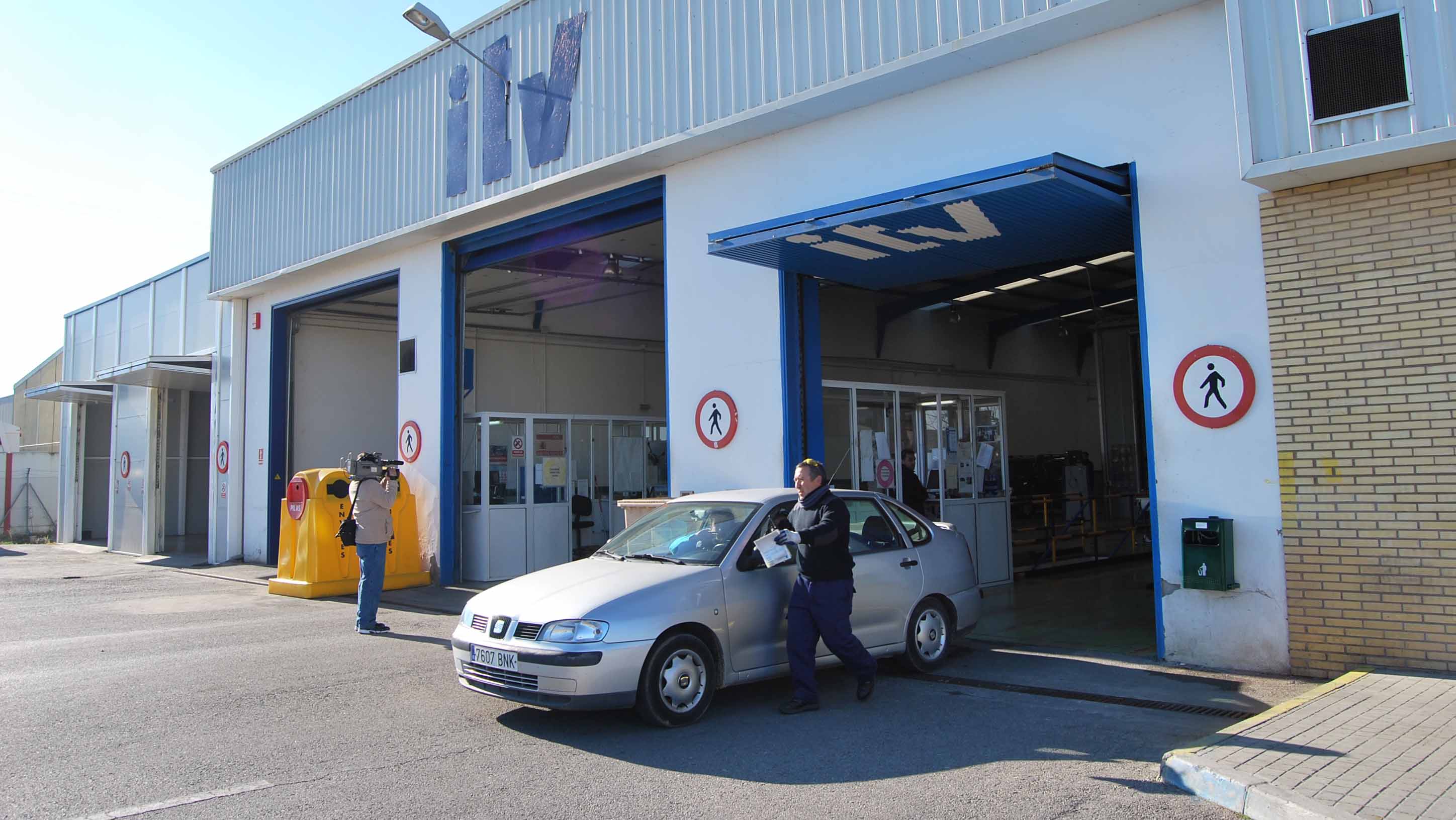
Two out of every ten cars you pass on the road pose a serious danger: 20 percent of the cars that go to the ITV inspection fail it.
Some 20 percent of vehicles that go to ITV inspection are rejected right away for failing to meet minimum safety standards and emissions requirements, which means that out of every 10 cars we pass while driving, some are potentially dangerous because of serious defects they have and have not yet corrected.
Practically 20 percent of vehicles are on the road without having passed the required ITV inspections. According to AECA-ITV, the association that groups the Spanish ITV stations, “17.71 percent of private passenger cars are on the road without an ITV, as are 7.44 percent of trucks, 52 percent of vans, 21.20 percent of buses, 58.89 percent of motorcycles and 48.81 percent of trailers.”
In the last year alone, in Spain 20,204,766 vehicles were inspected, of which approximately 20 percent (4,102,631) were rejected for serious defects for failing to meet minimum safety conditions or for emitting excessive gases and particles into the atmosphere. Lighting and signalling (24.1 percent) were the main defects detected. Problems with wheel axles, tyres and suspension were detected in 21.7 percent of vehicles, brakes in 14.7 percent, and excessive emissions in 13.3 percent of vehicles.
From next September, ITV inspections will be especially tougher, particularly with regard to emissions. In addition to the tightening of the inspection regulations that was recently amended, more restrictive emissions rules have been introduced. All vehicles will be diagnosed through the OBD connection to detect illegal or abusive practices in their repairs.
According to the DGT, the fatal victims of road accidents were travelling in vehicles with an average age of 13.8 years. The risk of death or serious injury in a car accident increases exponentially with the age of the vehicle being travelled in. Compared with cars up to 4 years old, travelling in vehicles between 10 and 14 years from their registration date carries a risk 1.6 times higher, and if the vehicles are between 15 and 19 years old, the risk of death or serious injury is up to 2.2 times higher.
The average age of the Spanish fleet comfortably exceeds 12 years. The economic crisis prevented many Spaniards from changing their cars in recent years and raised the average from the mere 6.6 years the passenger car fleet had in 2007 to the more than 12 years we have today.
According to ANFAC, “if there are no active fleet renewal policies, in 2026 more than four million vehicles over 20 years old will be circulating on Spanish roads”. Currently, 57 percent of used passenger car sales correspond to units more than ten years old from their registration date, and of these, more than 130,000 units are over 20 years old. And this despite the fact that in 2017, for every 100 new registrations, 56 old cars went directly to the scrapyards. This last figure indicates the need for administrations to promote scrappage aid plans for old vehicles. When incentive plans were in force, the ratio of old vehicles going to scrap equalled that of new vehicle purchases. For every new car sold, one old car was destined for scrap.
According to Audatex data, in 2016 57 percent of cars in Spain were more than 10 years old, but curiously only 31 percent of the repairs carried out in Spanish workshops correspond to this type of vehicle. Old vehicles are the ones that suffer the most breakdowns but curiously they are the ones that least often visit the workshop for repairs, which gives a clear idea of their real condition.
Most sales of vehicles more than 10 years old take place directly between private individuals. It is difficult for a dealer to offer vehicles this old because, by law, a used-car market professional must provide two years’ warranty from the delivery of the vehicle, although a shorter period of at least one year may be agreed between both parties. If there is no agreement between the parties, the warranty period would be two years. The agreement to waive the warranties cannot be made, as it is considered void and may carry significant penalties for the seller (we always refer to professional sellers). If the sale takes place without a contract or warranty, the period indicated will still apply. Warranties do not cover ordinary wear and tear of parts. Thus, if breakdowns occur due to use and age of the vehicle, it will be the buyer who must bear the repair costs.


 Kia offers an electric range of 10 models, 50 versions and 400 possible combinations
 The seven finalists for the 2027 European Car of the Year (COTY) are exclusively electric
 Peugeot E-208 GTi: a battery-powered toy that revives the spirit of the 1980s sports cars
Deja un comentario