Waymo expands its robotaxi service to five more cities in the United States
 Javier Cantagalli
20 November 2025
2 min.
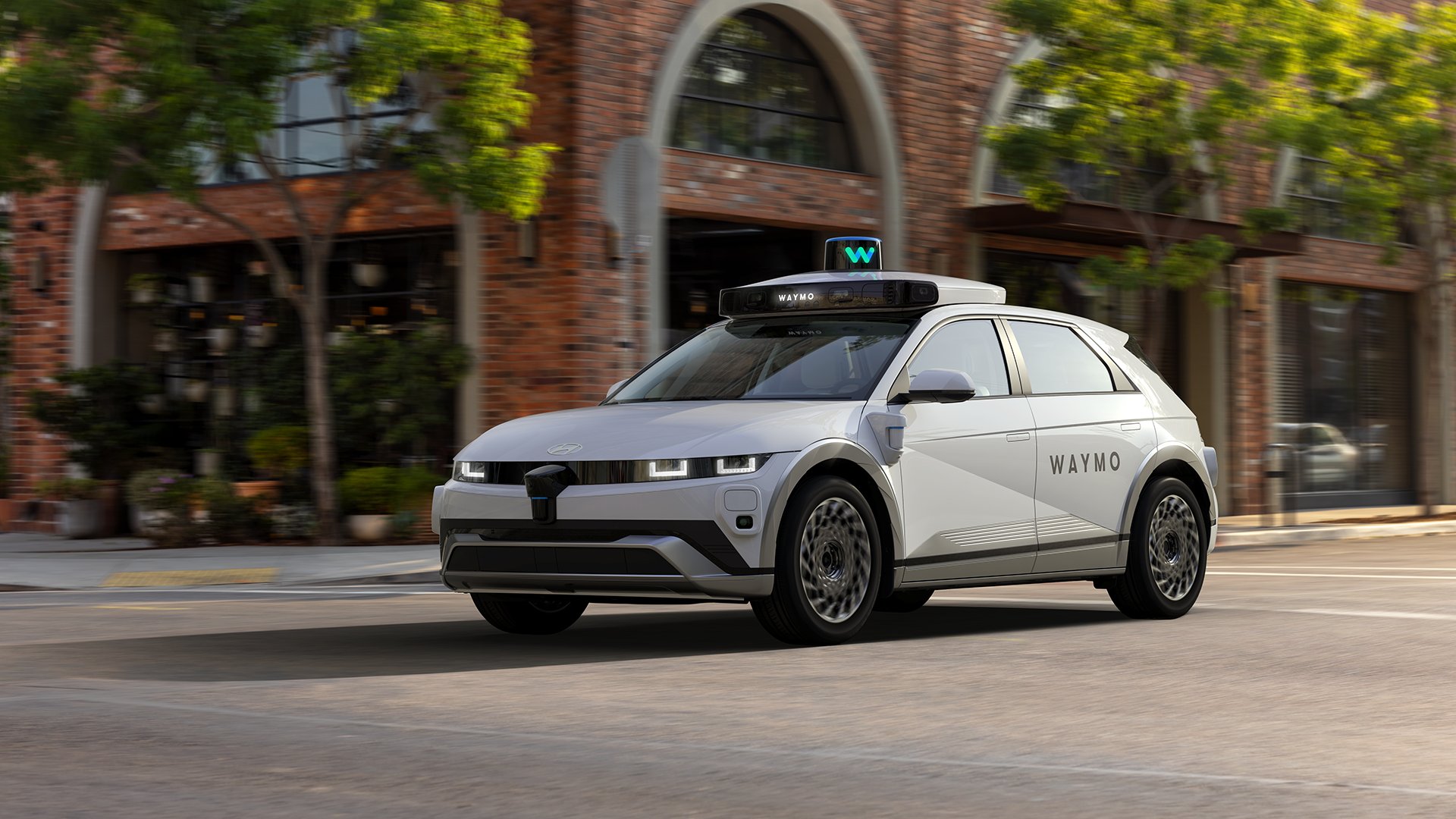
With moves like this one, Waymo is seeking to establish itself as a leader in autonomous mobility, bringing the reality of driverless taxis closer every day to millions of Americans.
Waymo, the Alphabet subsidiary -which also owns Google- dedicated to passenger transport using fully autonomous vehicles, has given fresh impetus to the expansion of its operations in the United States with the deployment of its robotaxi service in five more cities across the country.
Waymo’s driverless vehicles have already begun to circulate through the streets of Miami, and will also do so in Dallas, Houston, San Antonio and Orlando in the coming weeks.
During an initial phase, as has happened in the cities where Waymo already operates normally, the company’s vehicles will drive empty without carrying any passengers. Before opening any new area to the public, the company applies a rigorous protocol: it compares the performance of the Waymo Driver against already validated standards, detects local particularities -signage, traffic behaviour, weather- and continuously adjusts its artificial intelligence through regular software updates.
Following this first testing phase, residents and tourists in these American cities are expected to be able to begin making trips as early as 2026, requesting from the mobile app that one of these robotaxis come to pick them up.
Waymo’s ambition will not stop here
Waymo recently announced, moreover, its intention to begin operations in 2026 in several more cities in the United States, including Detroit, Las Vegas and San Diego. The company’s vehicles are also beginning to circulate on the highways of the San Francisco Bay Area, Phoenix and Los Angeles, with similar plans for Austin and Atlanta.
Waymo is also preparing its international landing in London, as we already told you here on HighMotor, and has expressed its interest in reaching other US cities such as Denver, Nashville and Washington D.C. Currently, Waymo’s robotaxis drive without a driver in Phoenix, San Francisco, Los Angeles, Austin and Atlanta, where they complete more than 250 thousand autonomous trips every week.
All this growth is backed by a capital injection of 5.6 billion dollars that Alphabet made in 2024, and under pressure from new competitors that are beginning to emerge with the aim of carving out a place in the passenger transport market with driverless vehicles.


 The seven finalists for the 2027 European Car of the Year (COTY) are exclusively electric
 Peugeot E-208 GTi: a battery-powered toy that revives the spirit of the 1980s sports cars
 New Lexus ES: luxury grows and goes electric
Deja un comentario