From the McLaren F1 to the Senna: this is how the British brand has evolved since 1970
 Javier López @jlopezbryan96
17 March 2018
4 min.
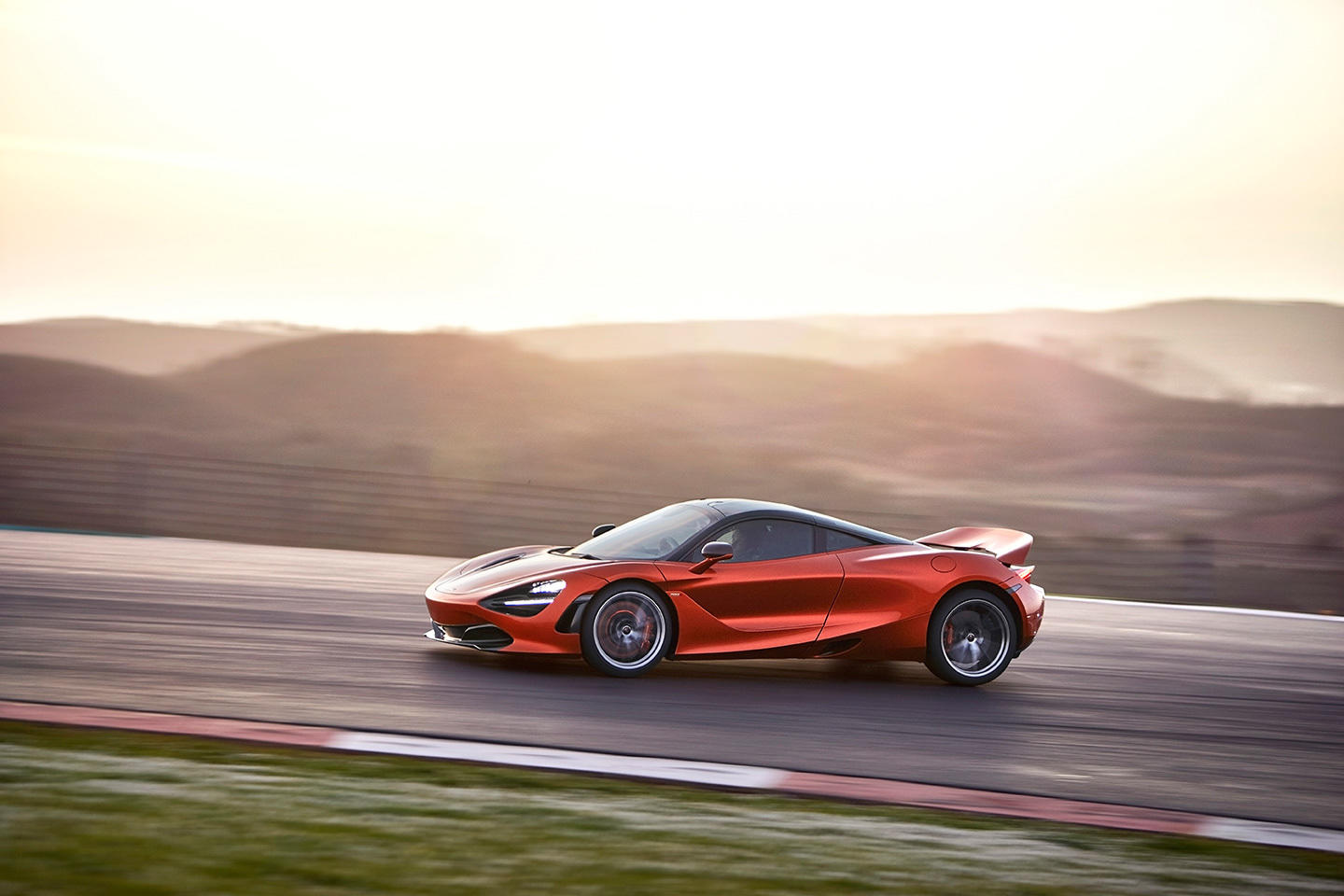
This interesting video shows us the evolution of McLaren from 1970 to the present day. From the M6GT to the Senna, today’s stars have been featured.
The history of the automobile is made up of several brands, which have been responsible for producing the best vehicles in the world, both for the road and for competition. However, these companies have had to climb slowly and build their own history, one that thrills any motor enthusiast. McLaren stands as a clear example of this, since its oldest supercars are an icon of the automotive world and its current vehicles are a true benchmark in the segment.
In 1970 the British firm showed the world its clear intention to create a brand capable of offering supercars on a par with Ferrari and Lamborghini. Bruce McLaren wanted to present his vision of what a vehicle capable of driving legally on the streets and bearing his surname would be, something he achieved with the M6GT Prototype, a model that defined the features of the acclaimed F1.
Only three units of the M6GT were built and it relied on a powerful V8 engine of Chevrolet origin. This project came to a halt after the death of the founder of McLaren in 1970; however, the brand continued forward with the arrival of the F1 in 1993. This model was presented as the first hypercar from the firm and its tuning would make it one of the fastest vehicles in the world.
A V12 engine of BMW with more than 600 CV of power brought the McLaren F1 to life, a model that also became famous for the iconic position of the driver’s seat, which sat in the middle, making it the first supercar capable of seating three passengers. At the same time it also managed to take the title of the fastest vehicle in the world, a title that McLaren wants to reclaim with its new models.
After some even more radical editions of the F1, the British firm stayed away from road cars until 2012, the year in which the MP4-12C came to light. This supercar from McLaren set the traits of current models and was presented as a direct rival to Ferrari and Lamborghini, something it achieved thanks to its tuning and a supercharged V8 capable of producing 616 CV of power that allowed it to reach 100 km/h in just 3.3 seconds.
The McLaren 650S and 675LT enhanced the characteristics of the MP4 thanks to a much more radical tuning, especially on the LT. However, the British firm wanted to make a 360º turn with the launch of the P1, the quintessential successor to the acclaimed F1. Thanks to the combination of a 4.0-litre V8 combustion engine with an electric motor, the English supercar was capable of delivering more than 900 CV and went head-on to compete with the Porsche 918 and the Ferrari LaFerrari.
In 2016 the firm decided to offer its customers an entry model which would be on a par with any other McLaren model. From this idea the 570S was born, a supercar that still relied on the supercharged V8 engine with 570 CV of power, as its name indicates. Today it can boast of being one of the most successful models of the firm alongside its other variants, the 540C and the 570GT.
One of the latest creations from McLaren was the 720S, a model that marked a new era within the brand, offering a completely new design and tuning. Until recently it held the position of the fastest supercar from the marque, but with the arrival of the new and radical Senna, the 720S now sits in the background.
The Senna was presented as the successor to the P1, which continues the legacy of the F1, but with a much more energetic powertrain designed for the track. It is capable of offering 800 CV of power and only 500 units will be built. However, this is not the only special model McLaren has planned, since the BP23 -the codename of the English supercar- arrives as an alternative to the Senna and will feature three seats like its predecessor.
https://www.youtube.com/watch?v=LULDgVPxhqM
Without a doubt, the history of a brand reveals the whole process of evolution it has undergone, showing the advances made over the years. McLaren has achieved an impressive improvement in every aspect and, to enjoy it even more, we can watch this video from the guys at Cars Evolution, who recreate step by step all the models of the most emblematic brands.


 Peugeot E-208 GTi: a battery-powered toy that revives the spirit of the 1980s sports cars
 New Lexus ES: luxury grows and goes electric
 First contact with the Dacia Sandero Hybrid 155: power and efficiency from €19,890
Deja un comentario