GANVAM calls for combining taxation and scrappage schemes to achieve sustainable mobility
 Guillermo Lopez
8 April 2018
3 min.
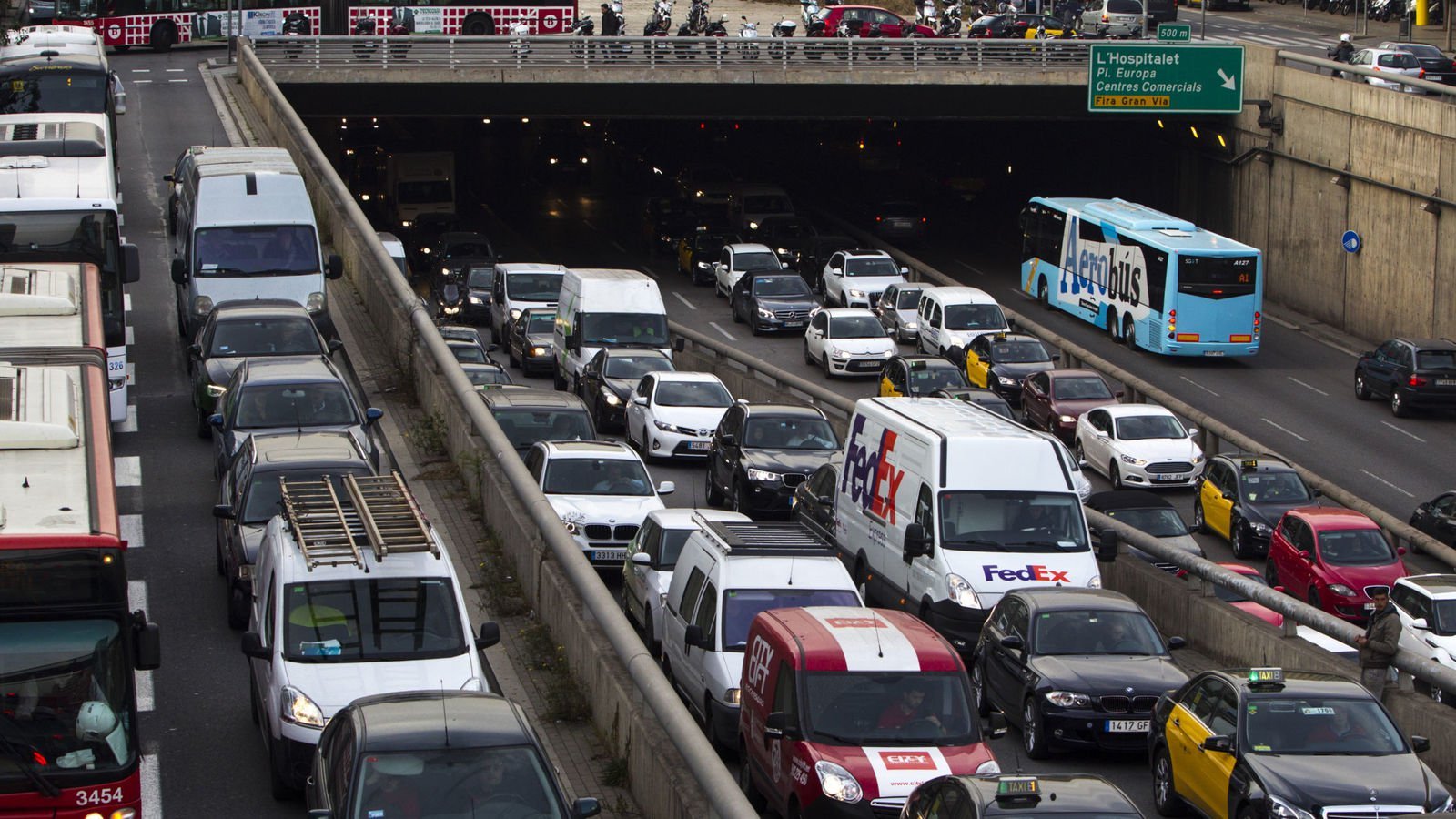
Taxing usage rather than purchase, and removing old cars through scrappage incentives, are the measures GANVAM proposes to achieve sustainable mobility
Basing taxes on CO2 emissions, taxing the use of the car rather than its purchase, and removing the oldest and most polluting vehicles through scrappage schemes that encourage the replacement of the oldest vehicles with more modern and efficient models, are the measures proposed by GANVAM, the National Association of Motor Vehicle, Repair and Spare Parts Dealers, to achieve sustainable mobility in our country as soon as possible.
GANVAM’s proposal comes in response to the recent report presented by the Minister of Energy, Alvaro Nadal, in which fleet renewal plans are described as “unnecessary” if a new tax policy were ultimately implemented under which the prices set for the different types of fuel would shape consumers’ decisions when choosing the engine type of their new vehicle.
GANVAM agrees with the committee of experts that tax reform should shift the tax burden from the purchase of vehicles to their use, thus following the current guidelines the European Union has set on the matter. However, the association of dealers and repairers does not share the minister’s idea of raising the taxes currently levied on fuels, but firmly advocates changing the current Circulation Tax so that it is based on emissions rather than on engine displacement and power, as it currently is.
According to the association, the adoption of this measure would discourage the use of the most polluting vehicles and would benefit fleet renewal and the introduction of vehicles equipped with more efficient technologies, precisely the opposite of the current situation, in which vehicles such as Euro 6 diesels are unfairly penalised, even though they emit less CO2 than petrol cars and are within the established limits for particulate emissions. Since the diesel scandal began, and after 10 consecutive years of decline, CO2 emissions have increased again in the various markets as diesel registrations have fallen in favour of petrol cars.
GANVAM proposes gradually electrifying the fleet by facilitating the penetration of non-polluting vehicles through measures or plans “that do not entail public spending measures that could lead to unrecoverable costs”. The most conservative scenario set out in the Expert Committee’s report foresees that battery electric vehicle registrations will account for 18 percent of the Spanish market in 2030. According to GANVAM, to reach that goal, in addition to resolving the current problems relating to vehicle range and the charging infrastructure available for electric vehicles, it is necessary to gradually educate consumers to guide their purchases towards this type of technology.
Only by removing the oldest vehicles still on our roads can a more sustainable fleet be achieved, which is why GANVAM advocates that the incentive plans proposed be aimed at the definitive withdrawal of these vehicles so that they are sent for scrappage.


 Kia offers an electric range of 10 models, 50 versions and 400 possible combinations
 The seven finalists for the 2027 European Car of the Year (COTY) are exclusively electric
 Peugeot E-208 GTi: a battery-powered toy that revives the spirit of the 1980s sports cars
Deja un comentario