Have German motorways without a speed limit come to an end?!
 Redacción
22 October 2019
3 min.
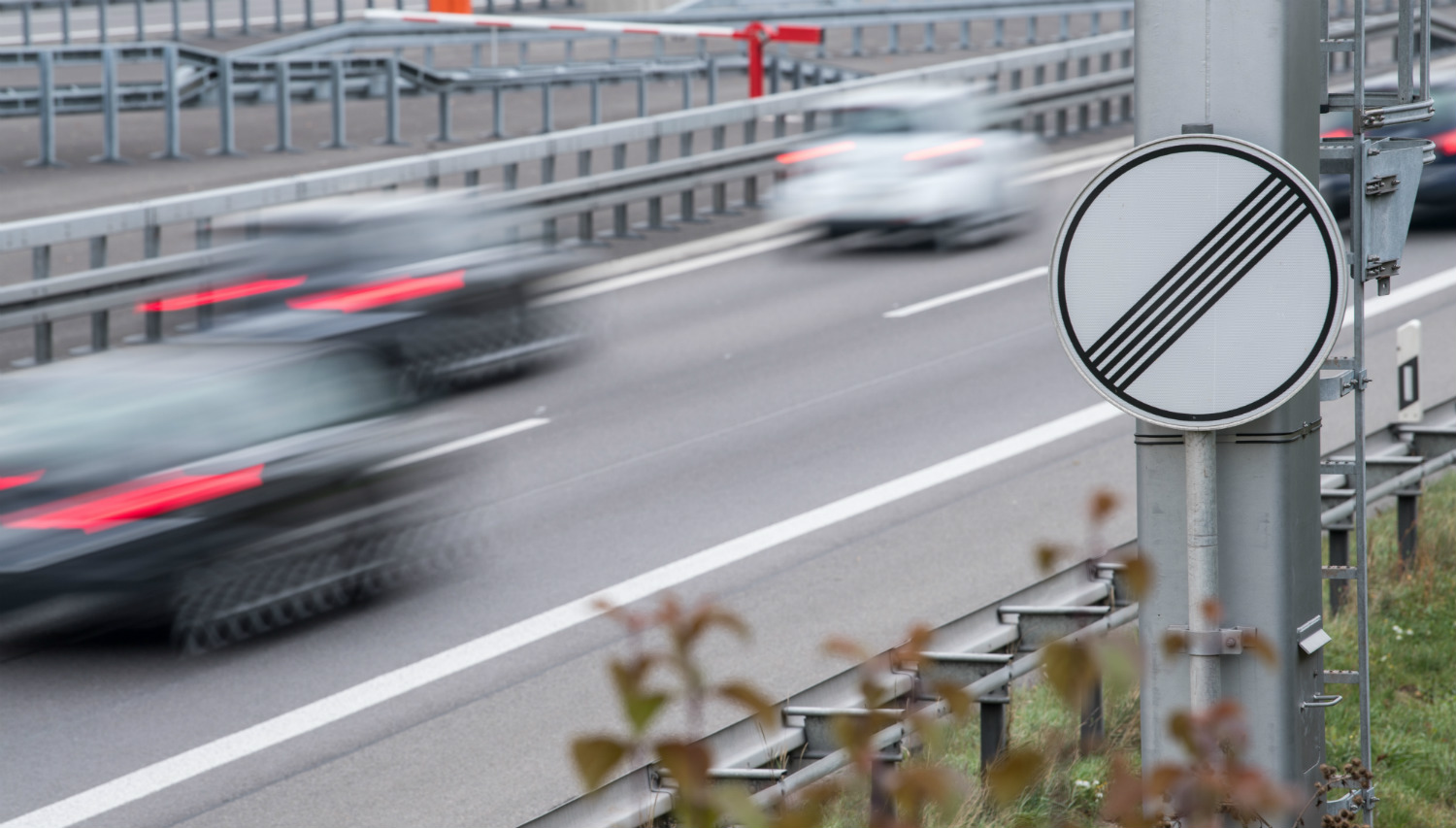
Last week the Bundestag held a debate on the possibility of setting a maximum speed of 130 km/h on the famous Autobahn. For now, the German parliament has voted overwhelmingly against this possible initiative.
Much is said about speed, both as one of the greatest causes of fatal accidents and about how dangerous it is. It seems that as the years go by, and cars and infrastructure improve, the regulations become stricter and simply keep moving “backwards”.
Not long ago, just under a year, a new speed limit was introduced for single-lane national roads in Spain of 90 km/h. These kinds of roads, however, are justified, whether by the condition of the roads, by the need to overtake on a single lane, or by the difficulty of the route, where we pass through mountain passes or much more technical and sharper bends.
Motorways, however, are a different story. It is true that not all of them enjoy the best infrastructure and condition, but on the other hand, many do. In fact, if you travel around Europe by car you will discover that we have one of the best motorway infrastructures in all of Europe.
Germany is aware of this, and beyond being tempted by what this solution could raise in terms of financial penalties, it has preferred to continue allowing no limit on certain sections of its Autobahns.
This controversial decision, which may seem outlandish in the rest of Europe, has proven to work for many years, with Germany achieving very positive figures regarding fatalities on these roads, with most accidents actually occurring on secondary roads, just as in Spain…
The German parliament held a debate on this issue in the Bundestag during the first week, where a vote would decide on a possible reduction of the speed limit on the Autobahns to 130 km/h. The result of the vote was an overwhelming NO to the ban, so for now, certain sections of the Autobahns will continue without an established speed limit.
The main reason for changing the speed limit on these motorways, beyond preventing a higher number of fatalities, is especially driven by environmental movements, who fight for reducing pollution, and here, of course, they would be entirely right; however, it has not been a sufficiently weighty reason for the German parliament…
It may be that in the future stricter limits are set on these sections, but for now it seems that these routes can still be enjoyed.
Here we leave you a video of the McLaren 570S reaching over 340 km/h while travelling a stretch of Autobahn with no speed limit:
https://www.youtube.com/watch?v=LbVApjNfraw


 Peugeot E-208 GTi: a battery-powered toy that revives the spirit of the 1980s sports cars
 New Lexus ES: luxury grows and goes electric
 First contact with the Dacia Sandero Hybrid 155: power and efficiency from €19,890
Comentarios cerrados