Audi BMW Discovery GLE Land Rover Mercedes Q7 Volvo X5 XC90 Electric Cars Hybrid Cars Family Buying Guides SUV
How to Choose a Family Premium 7-Seater SUV in 2026: Space, Powertrain and Total Cost
 Dani Montesinos
1 September 2026
8 min.
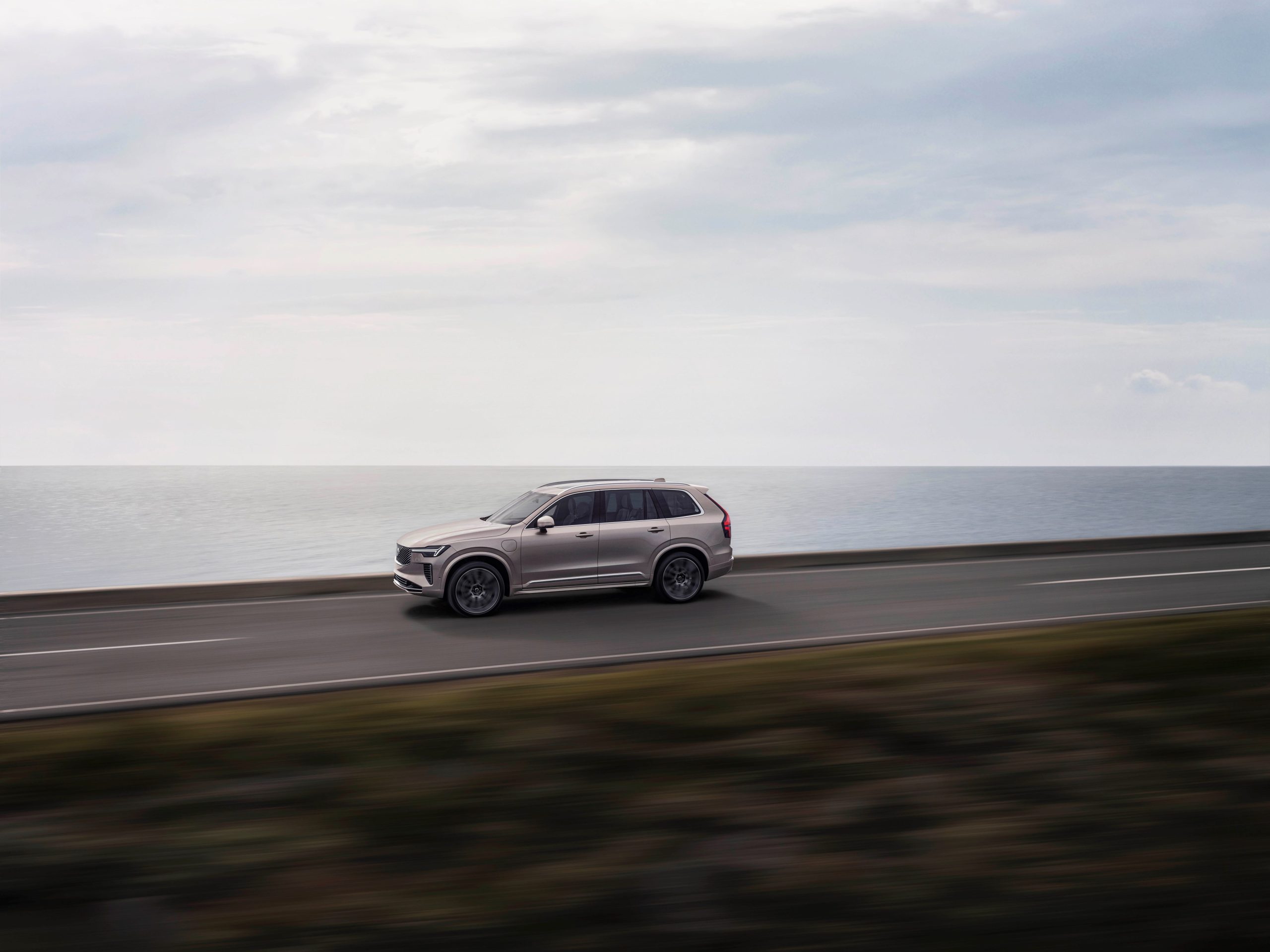
Editorial guide to choosing a family premium 7-seat SUV in 2026: interior space, powertrain, DGT emissions label and total cost of ownership over four years.
Choosing a large SUV is not a showroom exercise. It is a long, sustained calculation that begins the day you accept the family no longer fits in a compact and ends four years later, when it is time to review what it has really cost. In 2026, with electrification well established, the offer of family premium 7-seat SUVs has matured to a point that seemed unreachable a few years ago: plug-in hybrids with the CERO label, new-generation diesels that still make sense for those who do real mileage, and mild-hybrid petrol for mixed use.
A clarification before the analysis: this guide deliberately leaves out the proposals from BYD and Nissan. The first because, in our view, although it is a reference in pure electrification, it does not quite compete on cabin quality, acoustic refinement and brand perception with the established European rivals in this range — and in 2026 buyers have a much wider choice of technically superior alternatives. The second because we believe that in a large SUV with a premium vocation, range and power are only part of the equation: finish, sound insulation, software and dynamic comfort also count, and there we find more complete proposals.
What defines a premium family 7-seat SUV today
Length above 4.90 metres, a long wheelbase — usually 2.95 metres or more — and a third row that is not a mere appendix. In practice, a family 7-seat SUV deserves the name when its last row takes two adults on short trips and two children on long ones without complaint. Everything else is marketing.
Real interior space: what to measure before signing
Look at three figures: wheelbase, headroom in the third row and boot capacity with all seven seats in use. Below 250 litres with every seat deployed, family life becomes complicated. Access to the third row — electric folding, single button, step-through gap — makes the difference between using it or leaving it folded forever.
Powertrains in 2026: petrol, diesel, PHEV or electric
Diesel still makes sense if annual use exceeds 25,000 km on the road. The 7-seat plug-in hybrid SUV is the answer for those who combine daily city driving with occasional long trips: CERO label, between 70 and 90 km of real electric range and contained mixed consumption when the battery is not depleted. Pure electric at this size still penalises with weight and price; the choice narrows as soon as a third row is required.
DGT label: what weight it carries in the TCO
CERO opens ZBE low-emission zones, preferential parking and priority access. ECO covers almost everything. C already runs into occasional restrictions in Madrid and Barcelona. Over four years of ownership, the label can weigh more than a 2,000 euro difference in purchase price.
Four-year total cost: beyond the price of the label
Add up acquisition, financing, insurance (fully comprehensive is mandatory in this range), fuel or electricity, official maintenance, tyres — which at 21 inches are not cheap — and residual value. An honest large family SUV total cost comes to roughly 45,000 to 60,000 euros over four years, depending on powertrain and use. The difference between getting the mechanics right or wrong is paid at a rate of 3,000 to 5,000 euros a year.
The editorial selection: five proposals for 2026
Volvo XC90 T8 AWD — from 91,150 €
The Swedish model is the reference for a spacious premium family SUV when the criteria are active safety, sound insulation and a third row that is genuinely usable. The T8 PHEV is homologated at around 70 km of electric range WLTP and produces roughly 406 CV combined. Sober interior, honest materials, and ergonomics that have not fallen for the fashion of hiding everything under the screen — although the infotainment with integrated Google only half convinces, it must be said.
| Power kW | Power CV | Top speed | Electric range | Consumption | Label | Fuel |
|---|---|---|---|---|---|---|
| 298 kW | 406 CV | 180 km/h | 70 km | 3.3 l/100 km WLTP | CERO | PHEV |
BMW X5 xDrive50e — from 89,785 €
For those seeking dynamics without giving up the CERO label. The 50e combines a six-cylinder petrol engine with a battery delivering around 110 km of electric range, an outstanding figure for the segment. Third row optional — worth remembering, it is not standard — and a chassis tuning that on open roads remains the benchmark. That said, with all seven seats occupied the boot is tight.
| Power kW | Power CV | Top speed | Electric range | Consumption | Label | Fuel |
|---|---|---|---|---|---|---|
| 360 kW | 489 CV | 250 km/h | 110 km | 1.1 l/100 km WLTP | CERO | PHEV |
Audi Q7 55 TFSI e quattro — from 97,550 €
The most rational of the group. The Q7 has the best third row in the segment in terms of dimensions and accessibility, and the 55 TFSI e is homologated at around 85 km of electric range. Technologically overloaded interior — two touch screens that divide the dashboard — but finished with a consistency that is hard to match.
| Power kW | Power CV | Top speed | Electric range | Consumption | Label | Fuel |
|---|---|---|---|---|---|---|
| 360 kW | 490 CV | 240 km/h | 85 km | 1.3 l/100 km WLTP | CERO | PHEV |
Mercedes-Benz GLE 450 d 4MATIC — from 108,000 €
The only diesel in this selection, and for good reasons. For those who cross Spain every month, the mild-hybrid six-cylinder with 367 CV delivers acoustic refinement and real consumption below 8 l/100 km. ECO label, not CERO — whether it pays off depends on your usage pattern, but on long motorway runs it remains unbeatable.
| Power kW | Power CV | Top speed | Electric range | Consumption | Label | Fuel |
|---|---|---|---|---|---|---|
| 270 kW | 367 CV | 250 km/h | — | 7.8 l/100 km WLTP | ECO | Diesel MHEV |
Land Rover Discovery D350 MHEV — from 93,650 €
The specialist. Anyone who needs a genuine third row, a 3,500 kg towing capacity and real off-road ability has no direct rival. The mild-hybrid six-cylinder diesel with 300 CV is smooth, abundant and — it must be said — thirsty compared with a PHEV in urban use. Historical reliability is open to question; the brand claims to have improved, and in practice we will see.
| Power kW | Power CV | Top speed | Electric range | Consumption | Label | Fuel |
|---|---|---|---|---|---|---|
| 257 kW | 350 CV | 209 km/h | — | 8.0 l/100 km WLTP | ECO | Diesel MHEV |
Premium 7-seat SUV comparison: summary table and editorial score
| Model | Engine | Label | Interior space | 4-year TCO | Dynamics | Score |
|---|---|---|---|---|---|---|
| Volvo XC90 T8 | PHEV 406 CV | CERO | 9 | 8 | 7 | 8.5 |
| BMW X5 xDrive50e | PHEV 489 CV | CERO | 7 | 8 | 9 | 8.3 |
| Audi Q7 55 TFSI e | PHEV 490 CV | CERO | 9 | 8 | 7 | 8.4 |
| Mercedes GLE 450 d | Diesel MHEV 367 CV | ECO | 8 | 7 | 8 | 7.8 |
| Land Rover Discovery D350 | Diesel MHEV 350 CV | ECO | 9 | 7 | 7 | 7.7 |
Grants and taxation: how the Plan Auto+ fits in
Models with the CERO label and a sufficient battery can qualify for the Plan Auto+, the current framework of purchase grants in Spain. Amounts and conditions vary, so the official website is always the reference. In this segment, with prices close to 90,000 euros, the percentage impact of the grant is smaller — but any well-chosen PHEV reduces the business tax bill and offsets the premium over an equivalent diesel within two or three years.
If the question is whether to choose a plug-in hybrid or a diesel, the logic of use decides. Fewer than 20,000 km a year with home charging: PHEV without hesitation. More than 30,000 km without a reliable charging point: diesel, even if it sounds counter-trend. Everything in between depends on your budget and how much you value the CERO label in daily life — something that also comes up when you refine your choice in the premium SUV-D segment under 70,000 euros.
Frequently asked questions
What is the best premium 7-seat SUV in 2026 in terms of value for money?
In our view, the Volvo XC90 T8 remains the editorial reference for its combination of safety, real third-row space and CERO label. The Audi Q7 55 TFSI e is hot on its heels if build quality is the priority.
Is a 7-seat plug-in hybrid SUV worth it if I cannot charge at home?
Honestly, no. A PHEV without regular charging loses its raison d’être: the premium is not recovered and real consumption rises sharply because of the battery weight. In that scenario, a modern mild-hybrid diesel makes more sense.
What useful electric range do the best PHEVs in this segment offer?
Current models are homologated at between 70 and 90 km WLTP. In real use, and in cold weather, expect 25–30% less: between 50 and 65 km effectively, enough for the daily commute of most families.
Is a diesel worthwhile in 2026 for a large family SUV?
Yes, provided annual mileage exceeds 25,000 km on the road and does not depend daily on entering Low Emission Zones. The ECO label covers almost the entire territory and real consumption remains unbeatable on long journeys.
Technical specifications of the cars in this article

 Peugeot E-208 GTi: a battery-powered toy that revives the spirit of the 1980s sports cars
 New Lexus ES: luxury grows and goes electric
 First contact with the Dacia Sandero Hybrid 155: power and efficiency from €19,890
Deja un comentario