BMW ES KIA Lexus RAV4 Sportage Tiguan Toyota Volkswagen X1 Hybrid Cars Buying Guides SUV
How to Choose an SUV with Better Resale Value in 2026: Brands, Engines and Segments That Hold Their Value
 Dani Montesinos
21 August 2026
7 min.
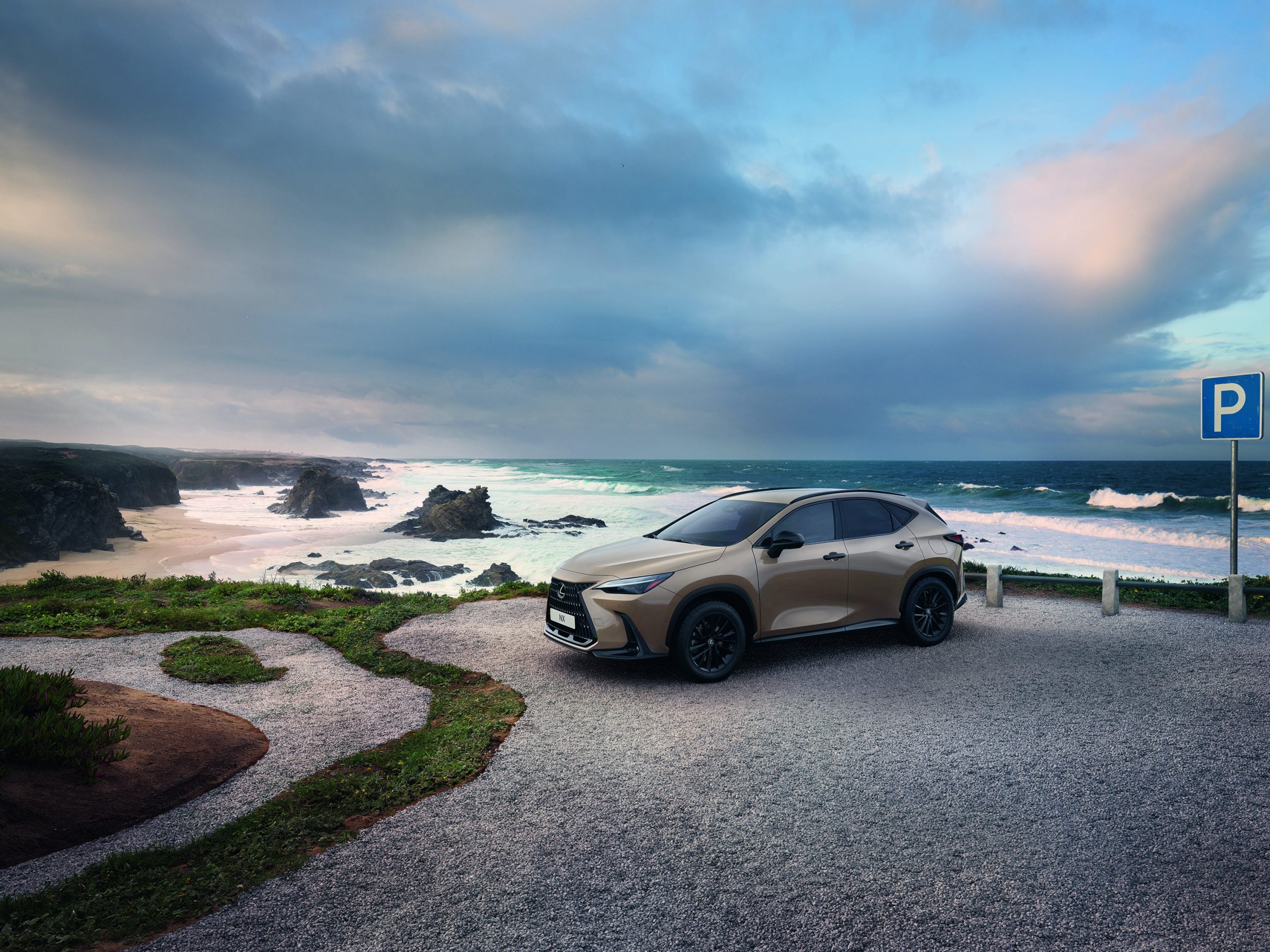
A practical guide to protecting your investment when buying an SUV in Spain: which brands, powertrains and segments best sustain their residual value over three or four years.
Buying an SUV in 2026 has become an uncomfortable balancing act: very high list prices, a wider range of models every week, and one underlying question — how much will it be worth in three or four years? Because the real price of a car isn’t what you pay at the dealership, but what you pay minus what you recover when you sell it. And that is where many decisions that look brilliant on paper age badly.
This analysis deliberately leaves out the electric SUV range of BYD. In our view, the value-for-money advantage the Chinese brand showed a couple of seasons ago has been eroded by the arrival of very competitive European and Asian offerings in the same price bracket, which adds an extra unknown about how it will perform on the Spanish used-car market. Without enough track record in second-hand dealerships and with its brand positioning still under construction, we prefer not to include it in a guide whose core theme is precisely the predictability of residual value.
What really drives the residual value of an SUV in Spain
Residual value is not magic, it is future demand. And future demand depends on very down-to-earth things: a wide after-sales network, contained maintenance costs, proven reliability, an environmental label that won’t expire in two years and, above all, a segment that the used-car buyer recognises. Compact and small SUVs remain the backbone of the Spanish second-hand market. That is where turnover is highest and where prices hold up best.
Powertrains: what holds up and what doesn’t
Full hybrids have gone from a Japanese rarity to the most liquid asset in the used market. Used-car buyers want them: ECO label, low consumption, no plug, no surprises. Plug-in hybrids (PHEVs), by contrast, behave more erratically — they depend heavily on mileage and battery condition. Diesel is still alive in large SUVs used for motorway driving, but its depreciation curve has steepened. And pure electric, except for premium exceptions, still struggles on resale because buyers fear the battery.
Toyota RAV4 (from 44,575 €)
The benchmark. Hard to argue with. The hybrid RAV4 has for years been among the SUVs that best hold their value in Spain, and there are objective reasons: a dense after-sales network, proven reliability and used-market demand that doesn’t fall. In practice, a three-year-old hybrid RAV4 sells in weeks, not months.
| Power kW | Power CV | Top speed | Range | Consumption | Label | Fuel |
|---|---|---|---|---|---|---|
| 136 | 185 | 180 km/h | ~1,000 km | 5.2 l/100 km | ECO | Hybrid |
Lexus NX (from 55,350 €)
The premium sibling of the RAV4, with a card that plays in favour of its residual value: the perception of reliable Japanese luxury, something the Spanish used market pays for. The NX 350h depreciates less than most equivalent German premium models. That said, you have to accept a larger upfront outlay.
| Power kW | Power CV | Top speed | Range | Consumption | Label | Fuel |
|---|---|---|---|---|---|---|
| 179 | 244 | 190 km/h | ~950 km | 5.7 l/100 km | ECO | Hybrid |
Mazda CX-5 (from 35,990 €)
Less media noise, but a surprisingly solid residual value. Mazda has built a loyal customer base in Spain, with a product that ages well aesthetically — and in resale, that counts for more than it seems.
| Power kW | Power CV | Top speed | Range | Consumption | Label | Fuel |
|---|---|---|---|---|---|---|
| 104 | 141 | 201 km/h | ~850 km | 7.0 l/100 km | C | Petrol |
Volkswagen Tiguan (from 37,240 €)
It is the mainstream compact SUV with the strongest brand recognition in the country. The Tiguan has for decades sustained residual values above the segment average, and the new generation does not break with that logic.
| Power kW | Power CV | Top speed | Range | Consumption | Label | Fuel |
|---|---|---|---|---|---|---|
| 110 | 150 | 207 km/h | ~900 km | 6.0 l/100 km | ECO | Mild hybrid |
BMW X1 (from 48,950 €)
In mainstream premium, the X1 is one of the few that combines brand pull with constant used-market demand. It depreciates, yes — all premium cars do — but less than its direct rivals. A point we already made in our guide to cars with better resale value in 2026: the German compact premium is a safer bet than the equivalent large SUV.
| Power kW | Power CV | Top speed | Range | Consumption | Label | Fuel |
|---|---|---|---|---|---|---|
| 125 | 170 | 212 km/h | ~850 km | 6.1 l/100 km | ECO | Mild hybrid |
Audi Q3 (from 48,530 €)
Same argument as the X1, with nuances. The Q3 maintains stable used-market demand, especially in well-equipped versions. The key is not to over-configure: extras are paid for at purchase and are not recovered on sale.
| Power kW | Power CV | Top speed | Range | Consumption | Label | Fuel |
|---|---|---|---|---|---|---|
| 110 | 150 | 207 km/h | ~800 km | 6.3 l/100 km | ECO | Mild hybrid |
Kia Sportage (from 29,780 €)
The seven-year warranty is a brutal commercial argument — and a residual one too. A three-year-old Sportage is sold with four years of warranty still ahead. That supports its price on the used market in a way few brands can replicate.
| Power kW | Power CV | Top speed | Range | Consumption | Label | Fuel |
|---|---|---|---|---|---|---|
| 176 | 239 | 193 km/h | ~950 km | 5.4 l/100 km | ECO | Mild hybrid |
Dacia Duster (from 23,220 €)
The Duster case is peculiar: such a low starting price that its absolute depreciation in euros is minimal. In percentage terms it holds up well because the used-car buyer on a tight budget is always there.
| Power kW | Power CV | Top speed | Range | Consumption | Label | Fuel |
|---|---|---|---|---|---|---|
| 103 | 140 | 180 km/h | ~900 km | 5.4 l/100 km | ECO | Mild hybrid |
Hyundai Tucson (from 31,325 €)
The corporate sibling of the Sportage, with five years of warranty and equally firm used-market demand. The full hybrid is the version that best holds its price, well ahead of the PHEV.
| Power kW | Power CV | Top speed | Range | Consumption | Label | Fuel |
|---|---|---|---|---|---|---|
| 176 | 239 | 186 km/h | ~900 km | 5.7 l/100 km | ECO | Hybrid |
Summary table and score
| Model | From (€) | Fuel | Label | Residual value | After-sales network | Score /10 |
|---|---|---|---|---|---|---|
| Toyota RAV4 | 44,575 | Hybrid | ECO | 9.5 | 9.5 | 9.4 |
| Lexus NX | 55,350 | Hybrid | ECO | 9.0 | 8.0 | 8.7 |
| Mazda CX-5 | 35,990 | Petrol | C | 8.0 | 7.5 | 7.8 |
| VW Tiguan | 37,240 | Mild hybrid | ECO | 8.5 | 9.0 | 8.5 |
| BMW X1 | 48,950 | Mild hybrid | ECO | 8.5 | 8.5 | 8.4 |
| Audi Q3 | 48,530 | Mild hybrid | ECO | 8.0 | 8.5 | 8.2 |
| Kia Sportage | 29,780 | Mild hybrid | ECO | 8.5 | 8.5 | 8.6 |
| Dacia Duster | 23,220 | Mild hybrid | ECO | 8.0 | 7.5 | 7.7 |
| Hyundai Tucson | 31,325 | Hybrid | ECO | 8.5 | 8.5 | 8.5 |
If the Plan Auto+ ends up fitting your deal, check the current amount on the official website before closing the books — conditions and deadlines change frequently. And for anyone still torn between hybrid and other powertrains, our guide to value-for-money hybrid SUVs offers more context.
Frequently asked questions
Which SUV holds its value best in Spain after three years?
The Toyota RAV4 hybrid consistently leads the 36-month residual value rankings in the Spanish market, closely followed by the Lexus NX and the Volkswagen Tiguan.
Do hybrid SUVs depreciate less than diesels?
In 2026, yes. The ECO label, low consumption and used-market demand support the price of the full hybrid better, while diesel’s depreciation curve has accelerated except in large SUVs used intensively on motorways.
Is it worth paying the premium price of a premium brand for residual value?
Only if you compare absolute euros recovered, not percentages. An BMW X1 loses more euros than a Kia Sportage, even though in percentage terms it holds up better. The full calculation has to be done.
Is a PHEV a bad choice for resale?
It’s not a bad choice, but it is more erratic. The residual value of a PHEV depends heavily on battery condition and mileage, and used-car buyers tend to be wary. An equivalent full hybrid is more liquid in the second-hand market.
Technical specifications of the cars in this article

 Peugeot E-208 GTi: a battery-powered toy that revives the spirit of the 1980s sports cars
 New Lexus ES: luxury grows and goes electric
 First contact with the Dacia Sandero Hybrid 155: power and efficiency from €19,890
Deja un comentario