Audi BMW ES GLC Lexus Mercedes NX Q5 Volvo X3 XC60 Hybrid Cars Buying Guides Rankings SUV
Ranking 2026: the 6 best plug-in hybrid premium SUVs on the Spanish market for fuel consumption versus performance
 Iván Navarro
3 September 2026
6 min.
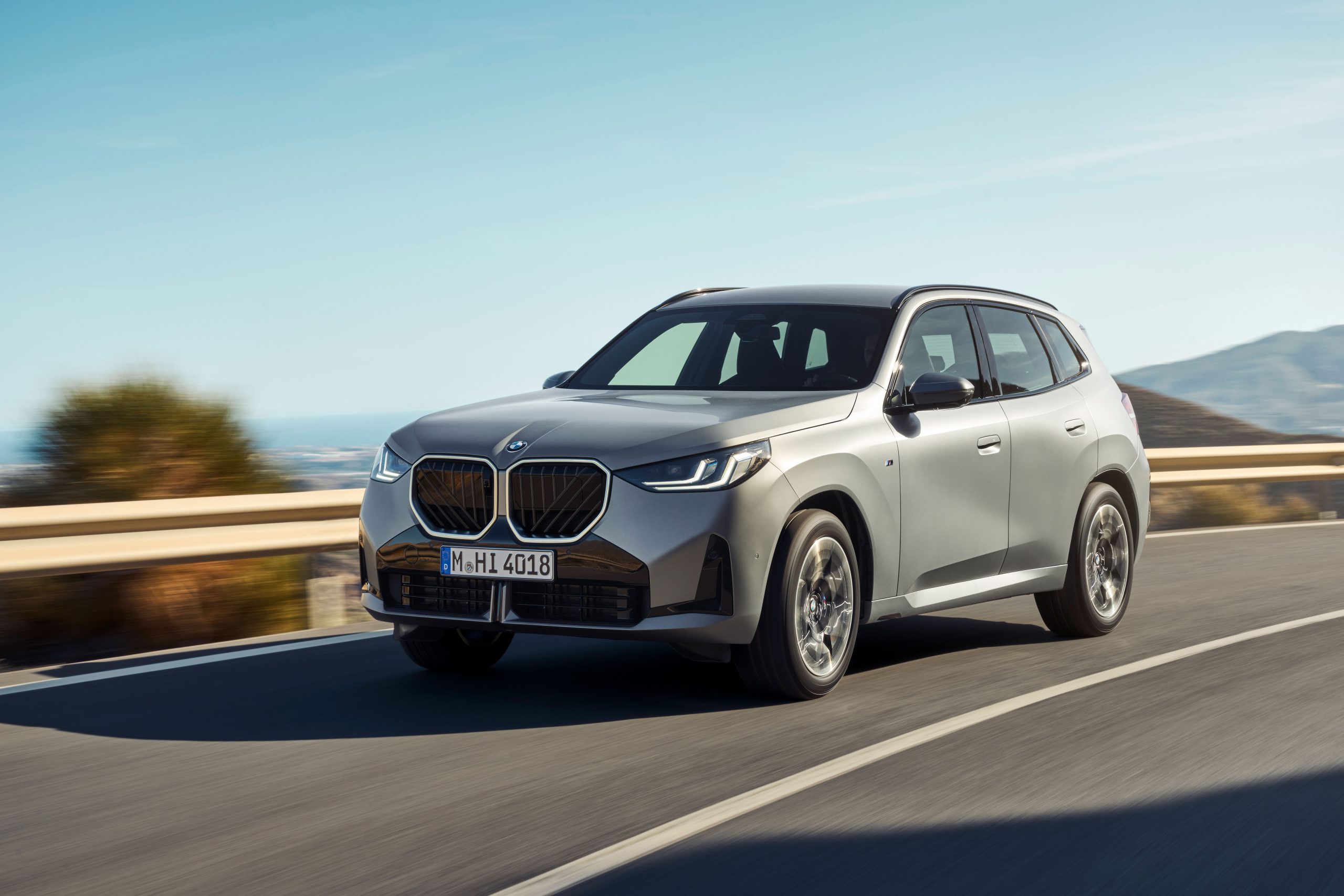
We analyse the six plug-in hybrid premium SUVs with the best balance between WLTP consumption and performance on sale in Spain in 2026. Editorial ranking with verifiable technical data and objective criteria.
The compact premium plug-in hybrid SUV segment is enjoying its most interesting moment in 2026. The combination of denser batteries, petrol engines calibrated to work on the Atkinson cycle and thermal management systems inherited from pure electric cars has allowed German, Swedish, Japanese and British manufacturers to offer figures that three years ago seemed optimistic: WLTP electric ranges above 100 kilometres, claimed mixed consumption that looks almost unbelievable on paper, and performance worthy of a compact sports car. The question is no longer whether the premium PHEV makes sense — it does, with a CERO label and up to 130 km of electric range — but which one best balances what it costs to run against what it offers.
One clarification before the analysis: this ranking deliberately leaves out the offerings from BYD and Nissan. The Chinese brand remains a technical reference in electrification, but in our view the premium buyer in 2026 finds a more resolved range in on-board technology and perceived quality among the manufacturers that do appear on this list. As for Nissan, we believe that in a premium plug-in hybrid SUV, range and power are only part of the equation: finish, sound insulation, software and comfort weigh just as much or more, and in those areas we found alternatives with a more complete overall experience. With that said, let us go through the six that do make the list.
How we evaluated the consumption-performance balance
No emotional rankings. Each model is scored by crossing four WLTP variables: weighted mixed consumption, homologated electric range, combined power and 0-100 km/h. To this we add an editorial adjustment for overall quality — sound insulation, software integration, dynamic behaviour — because low consumption with a mediocre cabin is not premium. We have already seen this in other comparative analyses between the X3 and the GLC and here the same logic applies, extended to the rest of the field.
1. BMW X3 30e xDrive — from €66,750
The new-generation X3 plug-in hybrid is, in our opinion, the absolute reference in the category for 2026. It combines a 2.0 turbo four-cylinder with an electric motor integrated into the eight-speed gearbox for 220 kW of combined power, xDrive all-wheel drive and a WLTP electric range of 88 km. Homologated consumption in hybrid mode stands at 2.8–3.3 l/100 km** — an optimistic figure, yes, but even with the battery empty it hovers around 7.5–8.2 l/100 km.
| Power kW | Power CV | Top speed | Electric range | WLTP consumption | Label | Fuel |
|---|---|---|---|---|---|---|
| 220 kW | 299 CV | 215 km/h | 88 km | 2.8–3.3 l/100 km | CERO | PHEV |
2. Mercedes-Benz GLC 300e 4MATIC — from €68,071
The GLC 300e is the direct rival of the X3, and the difference lies in the details. Its 25.3 kWh usable battery gives it a WLTP range close to 130 km — among the most generous in the segment — although the extra weight takes some of the shine off. 230 kW combined, all-wheel drive and a nine-speed gearbox very well matched to the electric motor. Real-world consumption hovers around 7 l/100 km without battery charge. The interior is tremendous, though the MBUX software still demands patience.
| Power kW | Power CV | Top speed | Electric range | |||
|---|---|---|---|---|---|---|
| 230 kW | 313 CV | 218 km/h | 128 km | 2.1 l/100 km | CERO | PHEV |
3. Audi Q5 55 TFSI e quattro — from €82,250
The new Q5 PHEV on the PPC platform, with AC charging at 11 kW. 270 kW combined, quattro ultra and an electric range around 100 km WLTP. In pure dynamism it does not reach the poise of the X3, but it gains in refinement and in that sense of a “polished” car. Homologated mixed consumption of 2.6 l/100 km.
| Power kW | Power CV | Top speed | Electric range | WLTP consumption | Label | Fuel |
|---|---|---|---|---|---|---|
| 270 kW | 367 CV | 250 km/h | 100 km | 2.6 l/100 km | CERO | PHEV |
4. Volvo XC60 T6 Recharge — from €65,850
The XC60 Recharge remains a rational choice in an increasingly aggressive segment. 257 kW combined, all-wheel drive and a WLTP electric range of around 80 km — modest compared with the GLC, but more than enough for urban use. Its strong point is not the spec sheet but how it uses it: well-judged suspension, benchmark sound insulation and that Scandinavian air which, at this point, still works. The 0-100 in 5.7 seconds surprises the unsuspecting.
| Power kW | Power CV | Top speed | Electric range | WLTP consumption | Label | Fuel |
|---|---|---|---|---|---|---|
| 257 kW | 350 CV | 180 km/h | 81 km | 1.1 l/100 km | CERO | PHEV |
5. Lexus NX 450h+ — from €64,600
The NX 450h+ operates on a different philosophical level. Its plug-in hybrid based on Toyota is one of the best-proven on the market and, in practice, the one that gives the user the fewest surprises. 215 kW combined, E-Four all-wheel drive and a WLTP electric range of around 72 km. Excellent real-world consumption without battery — 5.8 l/100 km is achievable — though in pure dynamism it trails the German models. The update planned for 2027 aims to correct precisely that.
| Power kW | Power CV | Top speed | Electric range | WLTP consumption | Label | Fuel |
|---|---|---|---|---|---|---|
| 215 kW | 292 CV | 200 km/h | 72 km | 2.9 l/100 km | CERO | PHEV |
6. Range Rover Velar P400e — from €83,400
The Velar P400e closes the list more for what it represents than for what it homologates. 297 kW combined, WLTP electric range around 64 km — modest — and mixed consumption that rises above what German competitors achieve. What justifies its price? Presence. The Velar remains the most aesthetically resolved premium SUV in the segment, with an interior that borders on sculptural. In the consumption/performance equation it comes last; in the desirability equation, it does not.
| Power kW | Power CV | Top speed | Electric range | WLTP consumption | Label | Fuel |
|---|---|---|---|---|---|---|
| 297 kW | 404 CV | 209 km/h | 64 km | 2.1 l/100 km | CERO | PHEV |
Summary table and editorial score
| Model | CV | Electric range | WLTP consumption | 0-100 km/h | Price from | Score |
|---|---|---|---|---|---|---|
| 299 | 88 km | 2.8–3.3 l | 6.2 s | €66,750 | ||
| Mercedes-Benz GLC 300e | ||||||
| Audi Q5 55 TFSI e | ||||||
| Volvo XC60 T6 Recharge | ||||||
| Lexus NX 450h+ | ||||||
| Range Rover Velar P400e |
2.1 l
5.4 s
€83,4007.6
A final note on the tax framework: all these models qualify for the Plan Auto+ currently in force, as they hold a CERO label and exceed 40 km of WLTP electric range. Amounts change with each call for applications, so it is advisable to check the official website before signing.
Frequently asked questions
What is the best premium plug-in hybrid SUV in Spain in 2026?
In our view, the BMW X3 30e xDrive offers the best balance between consumption, performance and overall quality. The Mercedes-Benz GLC 300e follows very closely — unbeatable in electric range.
Which premium PHEV SUV has the longest WLTP electric range?
The Mercedes-Benz GLC 300e 4MATIC, with 128 km homologated, is currently the most generous in the segment in Spain. In real use it allows whole weeks of urban journeys without starting the combustion engine.§h420§
§h421§§h422§Is a premium plug-in hybrid SUV worth it compared with a conventional hybrid?§h423§§h424§It is worth it if you charge daily and your use is mostly urban. With a full battery, real consumption drops below 2 l/100 km; without charging, a PHEV weighs more than an HEV and ends up consuming a little more. The CERO label and tax advantages tip the balance in many cities.§h425§
§h426§§h427§Which model should I choose if I want pure performance within the segment?§h428§§h429§The Audi Q5 55 TFSI e quattro, with its 367 combined CV and 0-100 in 5.1 seconds, is the fastest in the selection with low homologated consumption. The Range Rover Velar P400e also performs very strongly, but pays a toll in real-world consumption.§h430§
Technical specifications of the cars in this article
 Kia offers an electric range of 10 models, 50 versions and 400 possible combinations
 The seven finalists for the 2027 European Car of the Year (COTY) are exclusively electric
 Peugeot E-208 GTi: a battery-powered toy that revives the spirit of the 1980s sports cars
Deja un comentario