Volkswagen Industry Technology
The "Keyless" system has a vulnerability that is being hidden, according to several studies
 Victor Alós Yus @sepelaci
17 August 2015
2 min.
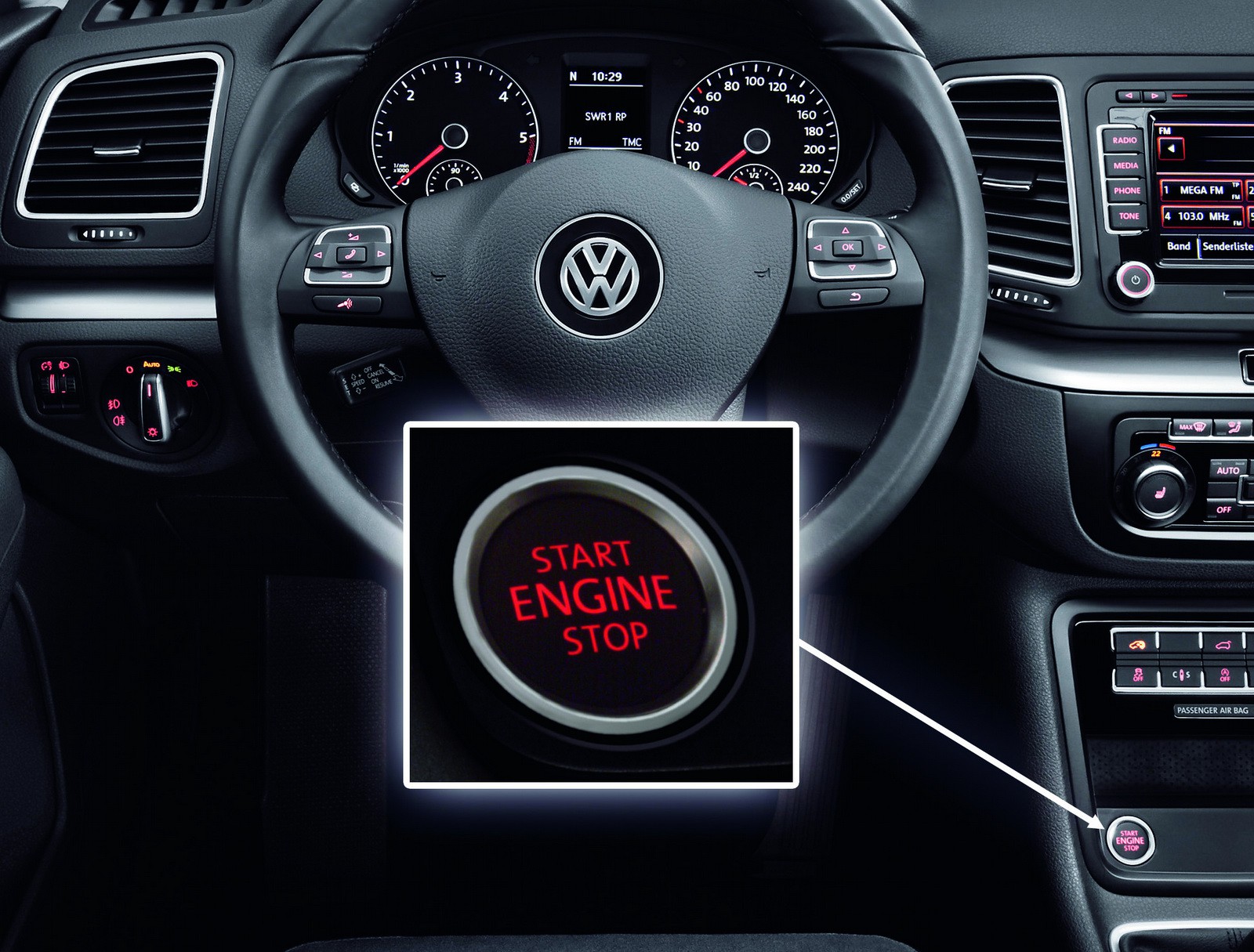
The technology applied to the automotive world is vital for the development of the industry. So much so that many elements of technological security are appearing that can improve access to the car without using keys. This technology has been applied to high-end models for several years and is known as “Keyless”. It works thanks to an encoder that sends an encrypted code from a transmitter, carried by the owner, which the receiver uses to activate the car and allow entry by unlocking the doors. Basically, what a key usually does.
But this advance, which can be a real advantage for improving access to the vehicle, can have serious problems in radio frequency transmission, which can be intercepted and decoded, so that a skilled hacker can “break” that encryption. The system is based on the Megamos Crypto transponder, which is used by most brands. According to a study carried out by several researchers from Radboud University in the Netherlands and the University of Birmingham, there is a possibility that the key could be bypassed and the car made vulnerable to theft.
With this security system, the car will not start unless the correct key is nearby, which emits the key needed for this to happen. What these two researchers did was “listen” several times to the communication between the key and the car, capturing the key. With this information, they only needed half an hour to get past the security system and manage to start the car.
The company Volkswagen is the one that regularly uses this Megamos Crypto transponder in its Premium brands, such as Audi, Porsche, Bentley and Lamborghini. It is also present in some models of Fiat, Honda, Volvo and Maserati. According to the researchers, Volkswagen prevented this vulnerability from being published, although they were still working to resolve it. Finally, publication of the work has been permitted, which may lead one to think the issue has been resolved. Even so, the models already sold would need to change the RFID chip both in the car and in the key, which would entail a fairly high cost for manufacturers, so the matter remains up in the air.
Source | Carscoops


 Peugeot E-208 GTi: a battery-powered toy that revives the spirit of the 1980s sports cars
 New Lexus ES: luxury grows and goes electric
 First contact with the Dacia Sandero Hybrid 155: power and efficiency from €19,890
Deja un comentario