The range extender, a way of achieving more range in an EV, but at what cost?
 Victor Alós Yus @sepelaci
27 May 2024
4 min.
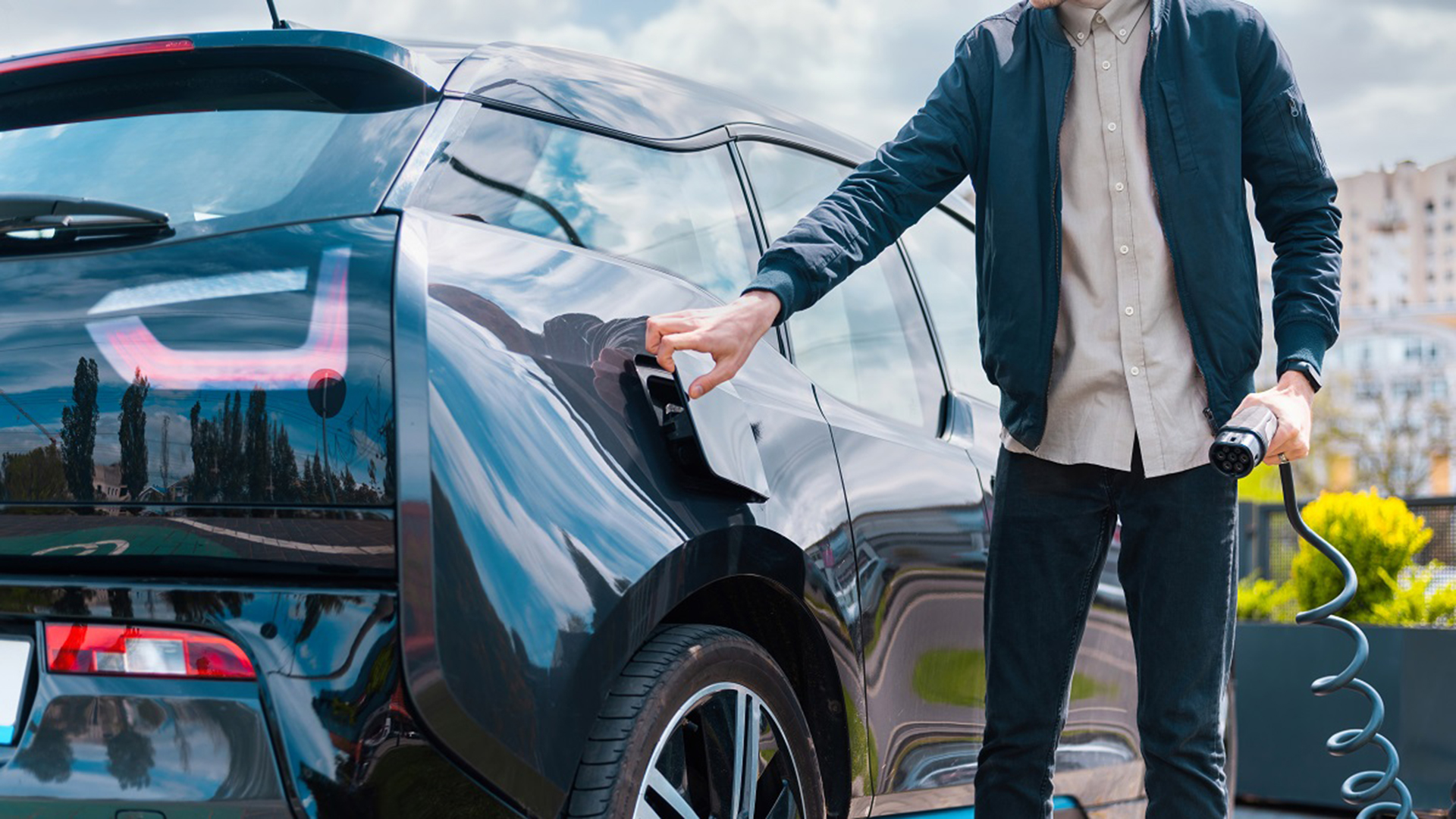
Cars with a range extender allow the battery to be charged with the help of a combustion engine, which produces electricity for the battery.
Electric cars have a serious handicap: range. Although batteries have grown in size over the last few years, we are seeing that there is still no fast-charging infrastructure capable of meeting the energy demand of a large fleet of electric cars. So one alternative that has emerged is the range extender. To do this, a system has been created that allows the battery to be recharged, when necessary, without connecting it to a power outlet: the range extender.
This solution makes it possible to recharge the battery efficiently while driving. The problem is that this system uses a combustion engine that produces electricity, which is stored in the battery and allows the car to keep moving, though in fully electric mode.
You will say we are talking about a plug-in hybrid, which uses the combustion engine and, on certain occasions, the electric motor, and can run without polluting emissions. However, in EREV cars, the combustion engine is not used to propel the vehicle, but only as a means of generating energy.
Several models have begun to use this system. Certainly, it produces fewer polluting emissions, since the engine always runs at a constant speed. This makes it more efficient and avoids emission peaks; instead, emissions remain steady and below what a plug-in hybrid produces.
They are fitted with a small petrol tank that allows the combustion engine to run and charge the battery. This engine does not run constantly; instead, it is only activated when the battery level is very low. It may never be used at all, so it is an emergency system that helps you reach a charger where the battery can be charged properly.
However, this emergency measure means the car still depends on petrol and, at some point, generates polluting emissions. Even so, this type of vehicle would have the DGT environmental label 0. That said, they still have an electric motor.
Advantages of EREV vehicles
These extended-range vehicles have the advantage that they run only on the electric motor. In this way, the wear produced is identical to that of pure electric cars. There are not many mechanical parts and they are very easy to drive. The combustion engine is relegated to the role of generator, and only in times of need.
Not many models offer this kind of solution to increase range. Normally, they are more expensive than pure electric cars and are not usually included in manufacturers’ line-ups, especially European ones.
But in the Asian market they have become a very practical solution for several of their models. China offers several models with this type of range-increasing solution, while in Europe this solution is not considered, due to more restrictive legislation regarding the use of combustion engines.
One of the latest examples of this type of vehicle is the Voyah Free 318, a version with this type of electric drive with range extender that achieves up to 318 kilometres, according to the CLTC cycle, on its battery alone, and which with the help of the extender can travel many more kilometres, simply by refilling the petrol tank.
For the time being, European brands are not considering this solution, which could be a good way to promote the electric vehicle until a solid infrastructure of fast chargers is in place.


 Peugeot E-208 GTi: a battery-powered toy that revives the spirit of the 1980s sports cars
 New Lexus ES: luxury grows and goes electric
 First contact with the Dacia Sandero Hybrid 155: power and efficiency from €19,890
Deja un comentario