This is the latest-generation Spanish engine: Innengine aims to revolutionise the automotive sector
 Victor Alós Yus @sepelaci
31 May 2023
2 min.
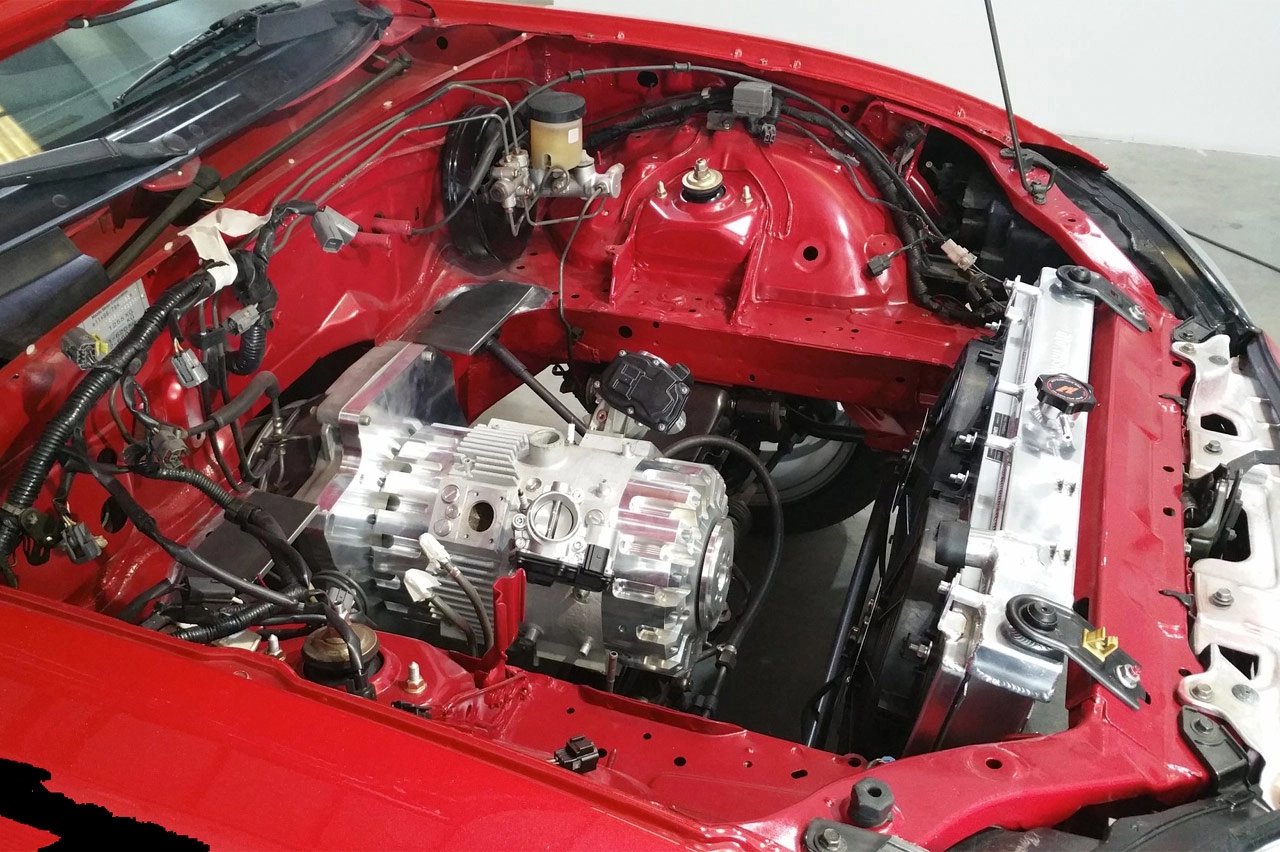
A company from Granada has managed to design a combustion engine that can run on several fuels and is more efficient than a traditional one.
Spain is a major player in car manufacturing, but although many engines are built in various Spanish plants, there has not been a combustion engine designed by Spaniards in our country for a long time. The Innegine engine is the first of its kind in a long time and has features that make it a very special piece.
This engine stands apart from those found on the market, since it uses a different system from the current one and allows it to be smaller, yet still manages to achieve performance similar to a larger traditional engine. It has been designed and developed by the company Innegine, based in Armillas, Granada, and is ready to be mass-produced and begin use in commercial models.
A multi-fuel engine
The first thing we might think is: at a time when the combustion engine is practically doomed to disappear, is it necessary to carry on with this project? The answer is YES. This engine runs on fossil fuels, but also on other fuels, such as hydrogen. This makes it very practical, even if the use of fossil fuels is eliminated.
This feature gives it a considerable advantage over other engines, which need modifications to run on other fuels. Thanks to this, the company expects to sell up to 226 million units a year by 2027. Its use as a generator to power the batteries of electric cars, as a range extender, may be another key to generating interest in this engine.
How it works
The Innegine engine is designed as a block with two opposed pistons, operating in the same cylinder. Connected to these is a rotating cam, on which the connecting rods rest. In this way, the axial motion is converted into circular motion. This system allows the engine to be two-stroke and smaller in size. It weighs around 35 kg and has 70% fewer parts than a traditional engine.
This also allows it to deliver good performance, along with a remarkable absence of vibration and the small amount of space it occupies. For now, although it has external investors, enough capital has not yet been raised to begin mass-producing this Spanish-made powertrain. Will we see it on the market soon? We hope so, and that it becomes a relevant argument for sustainable mobility.


 Peugeot E-208 GTi: a battery-powered toy that revives the spirit of the 1980s sports cars
 New Lexus ES: luxury grows and goes electric
 First contact with the Dacia Sandero Hybrid 155: power and efficiency from €19,890
Deja un comentario