Tyre check: ITV tightens the inspection of tyre condition
 Guillermo Lopez
2 February 2018
2 min.
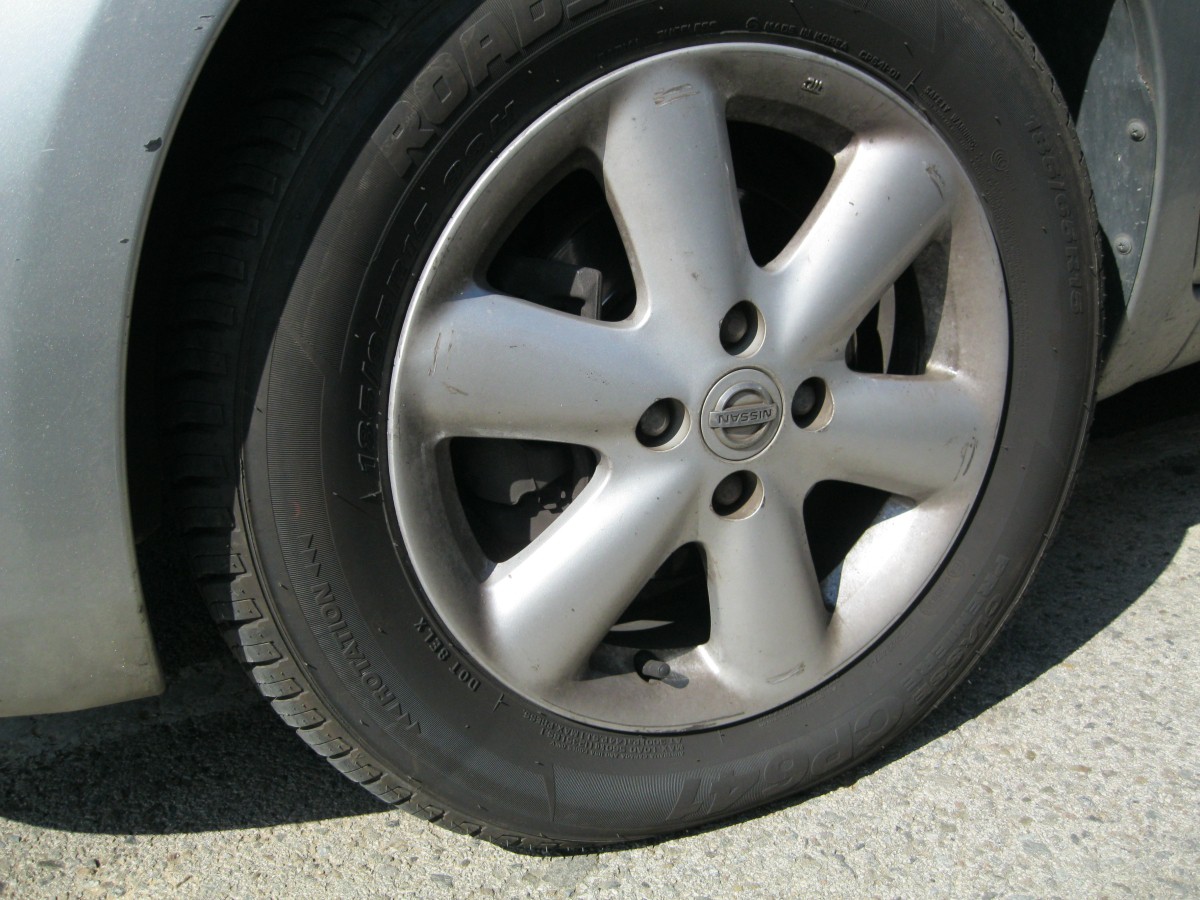
From this February, ITV stations are applying a new version of the inspection procedure manual that is much more demanding on tyre checks.
In October, the Council of Ministers approved a Royal Decree that complements version 7.2.2 of the ITV Inspection Procedure Manual, which tightens the control and verification of the condition of the tyres of the vehicles that come in for inspection. After its publication in the BOE, the new regulation came into force on 1 February.
The new rule divides vehicles into three categories: M, N and O, depending on the type of transport they carry out—people, goods and trailers—and also according to their number of wheels: two-wheelers, three-wheelers or quads, agricultural, construction and service vehicles, and tourist trains.
The visual inspection comprises several sections that ITV inspectors must verify. They aim to analyse the tyres according to their dimensions and characteristics, the depth and condition of the tread pattern, the check by axle of the tyres fitted to the vehicle, analysis of possible tyre defects, and verification of possible interference from other vehicle components with the movement of the tyre.
Likewise, possible deficiencies in the tyre pressure self-diagnosis systems will be checked, as well as any defects arising from uneven wear and any retreading or recapping work the tyre may have undergone.
New rules with three categories of faults and 2 months to fix them
The new control system establishes three categories in the inspection report, which drivers must address after the inspection. If the defects found are minor, they must be corrected within the two months following the ITV test, even though the result of the test will not have been negative and it will not be necessary to return to the station for verification of the repairs carried out.
If the inspection result is considered to have serious tyre defects, the ITV will disqualify the vehicle from circulating, and it may only be driven to take the car to the workshop for repair. It must then return for inspection again within two months.
Finally, if the fault is serious, the car will be completely immobilised and must be transported by tow truck to the workshop for repair, which must then be verified again at the ITV station within a maximum of two months from the first inspection.


 Peugeot E-208 GTi: a battery-powered toy that revives the spirit of the 1980s sports cars
 New Lexus ES: luxury grows and goes electric
 First contact with the Dacia Sandero Hybrid 155: power and efficiency from €19,890
Deja un comentario