What happens if I put diesel in a petrol car?
 Victor Alós Yus @sepelaci
17 September 2018
4 min.
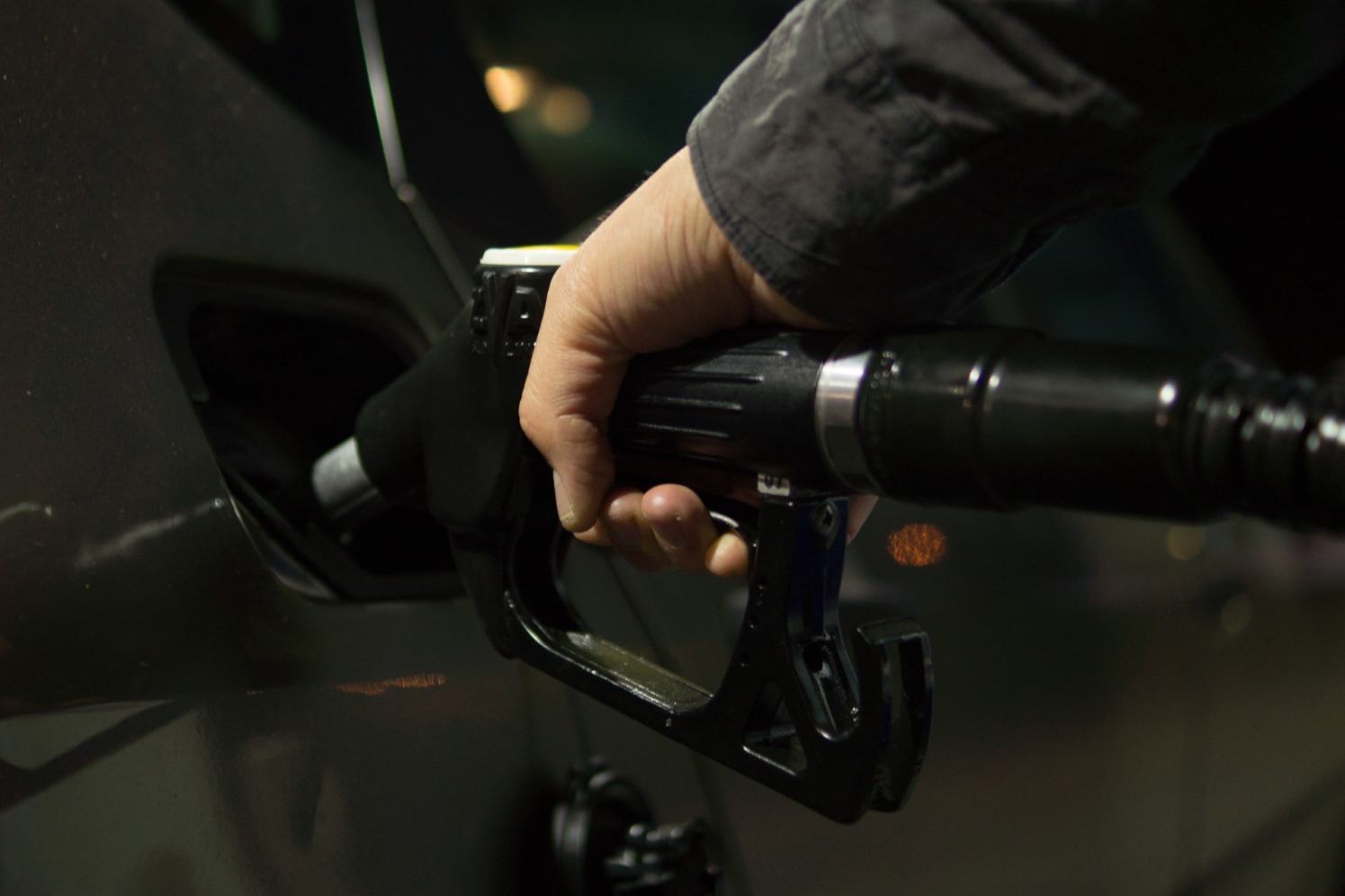
Putting diesel in a petrol tank is a mistake that can be made when refuelling at a service station and that can lead to considerable expense
Yes, we know, it is one of the worst nightmares for any driver, because it can be one of the most terrible mistakes we can make when we are about to refuel. Getting the wrong fuel and putting in one that doesn’t match our car can cause a serious problem. Whether it is a minor problem or a serious breakdown depends on several factors, so we are going to review what happens when a petrol car has its tank filled with diesel.
We already know that a diesel engine works differently from a petrol engine. Moreover, there are important differences between petrol and diesel, which can cause serious problems in engines that are not designed for that type of fuel. In another article we already discussed what happens when a car with a diesel engine is fed with petrol, and today we are going to look at what happens in the opposite case.
Service stations are designed to prevent these mistakes, since the nozzles for the two fuels are different. In the case of diesel, the nozzle is thicker than the petrol one, so just by trying to use the wrong hose we can notice. But it may be that the car is older and the tank is not adapted to the different types of nozzle. And then the moment comes when we put a considerable amount of diesel into the petrol tank.
How diesel damages a petrol car
Unlike a diesel car into which petrol has been added, a small amount of diesel may not cause major damage. If the amount is more or less less than a quarter of a tank, the engine will start without problems and drive. But for the damage to be minimal, we have to think of very, very small quantities. In this case, the car will start and be able to drive, although it will do so irregularly and emit a large amount of white smoke.
If the amount is considerable, we have to assume that damage will certainly occur. If we notice while refuelling, it is better not to start the car. We must alert the staff at the service station and move the car to a corner where it does not get in the way of other vehicles. And immediately we must call our insurer so that a tow truck can come and take it to the workshop.
When the petrol tank has been filled with diesel, you must avoid starting the engine and call the roadside assistance serviceAt the workshop they are going to empty the tank and clean it. If the car has not been started, the diesel will not have reached the engine and the problem will end there. Then the tank will be filled with about 5 litres and this fuel is allowed to be used up. When it is about to run out, the tank will be filled and the car driven until roughly a quarter of a tank is used. Then it will be filled again and in theory, that is the end of the problem.
But if the car has been driven with diesel, the problems multiply and so do the repair costs. If the car has been driven several kilometres, the diesel will have passed into the engine circuit and fouled components such as the injectors. This is already a problem, because they will have to be cleaned, and that represents a considerable expense. And it can be worse, because they may have been damaged and would have to be replaced. All of this adds up, because the entire engine will have to be cleaned and checked that nothing else has been damaged.
The catalytic converter may also be damaged and, if so, it must be replaced as well. A small (though costly) headache can turn into a real nightmare if we do not pay close attention when refuelling. As when we drive, we must be very alert at the moment of refuelling, because a mistake that might seem small can leave us without a car for a while, not to mention the hefty bill we will have to pay. Be careful!


 Peugeot E-208 GTi: a battery-powered toy that revives the spirit of the 1980s sports cars
 New Lexus ES: luxury grows and goes electric
 First contact with the Dacia Sandero Hybrid 155: power and efficiency from €19,890
Deja un comentario