Atto 3 BYD G6 Geely Model Y Starray Tesla Xpeng Electric Cars Hybrid Cars Comparisons SUV
XPENG G6 vs Geely Starray: which premium Chinese C-SUV offers the most value under €45,000
 Iván Navarro
24 September 2026
6 min.
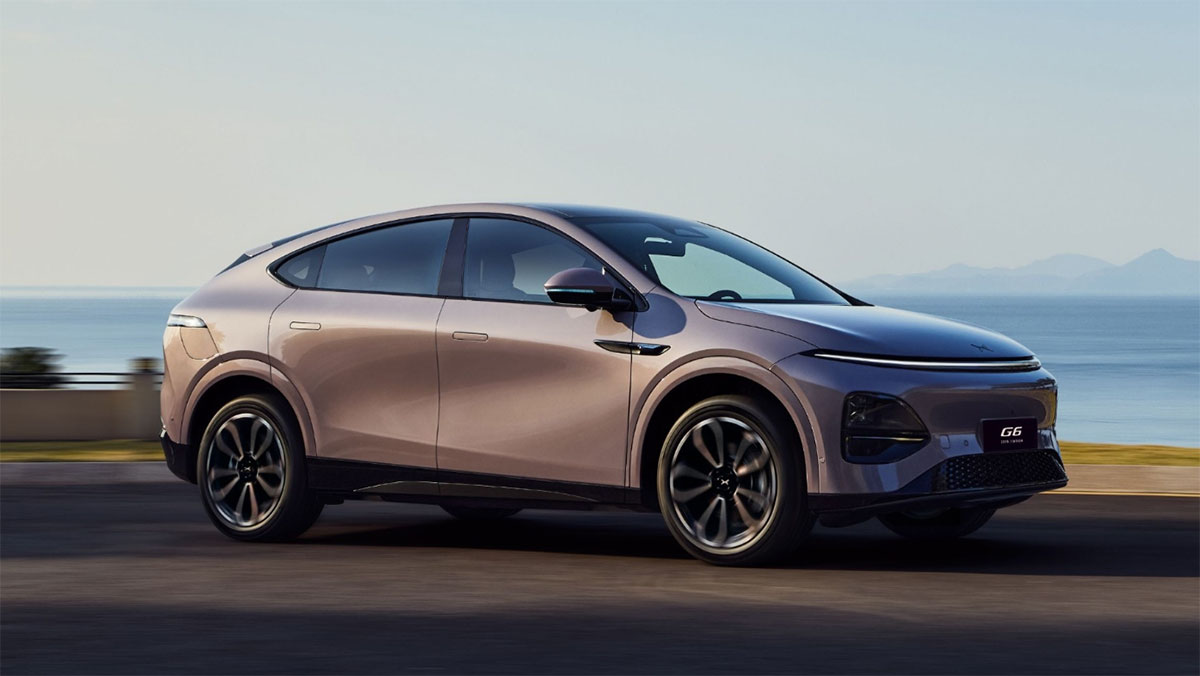
We compare the electric XPENG G6 and the Geely Starray PHEV, two premium Chinese C-SUVs priced under €45,000, to find out which one offers better value depending on how you use it.
The premium Chinese C-SUV segment has stopped being a promise and has become an uncomfortable reality for European manufacturers. And we are not talking about cheap cars with barely acceptable finishes: we are talking about proposals that, under €45,000, pack a lot of technology, plenty of power and a perceived quality that no longer allows them to be dismissed lightly. In this comparison we put two very different bets head to head: the XPENG G6, 100% electric, and the Geely Starray, a plug-in hybrid. Two philosophies, one shared goal.
From the initial list of candidates we have ruled out the BYD Atto 3 and its sister models. The reason is purely editorial: we consider that, today, the conversation about premium Chinese C-SUVs has narrowed to a handful of brands that are setting the technological and design pace, and BYD —despite its sales volume— no longer leads that debate as it did a couple of years ago. With that clarified, let us move on to the two that do make the cut.
Why compare the XPENG G6 with the Geely Starray
Comparing a pure electric car with a PHEV may seem like a cheat. It is not. The buyer of a premium C-SUV under €45,000 does not walk into the dealership with the powertrain already decided: they come with a budget, a use case and a reasonable doubt about whether their daily life suits a plug.
This is where these two cars cross paths. Both are C-SUVs, both target families with technological aspirations, and both sit in the same price bracket. And both, each in its own way, force the German rivals to take a hard look in the mirror.
XPENG G6 from €44,600: the electric car going after the Model Y
The G6 is XPENG’s serious card in Europe. A coupé-SUV silhouette, a carefully tuned drag coefficient and an 800V electric architecture that on paper promises competitive fast-charging times. Inside, a dominant central screen, an almost total absence of physical buttons and a very Tesla focus on the philosophy of use.
The Standard Range version, with a battery of ≈68.5 kWh, claims around 480 km of WLTP range, with 252 CV. Figures sufficient for mixed use without range anxiety, although —to be honest— on long trips at motorway speeds the real consumption brings that figure down to more down-to-earth values. That is the law of the electric car, not a defect of the G6.
| Power kW | Power CV | Range | Battery | Fuel | Label |
|---|---|---|---|---|---|
| 185 kW | 252 CV | ≈480 km | ≈68.5 kWh | Electric | ZERO |
In our view, the G6 has a very clear argument: it delivers a driving experience and a digital integration that, until recently, cost well above €50,000. The “but” is also clear: without a charging point at home, living with this car becomes complicated.
The Starray arrives with a radically different proposition. It is a plug-in hybrid C-SUV with the EM-i system, 262 CV combined, a homologated consumption of 2.4 l/100 km (PRO) / 1.4 l/100 km (PRO+/MAX+) and emissions of 54 g/km (PRO) / 32 g/km (PRO+/MAX+). Translated: ZERO label, electric urban use if you are disciplined with the plug, and the combined total range of a PHEV for long journeys without depending on charging infrastructure.
| Power kW | Power CV | Top speed | Consumption | Emissions | Fuel | Label |
|---|---|---|---|---|---|---|
| 193 kW | 262 CV | ≈170 km/h | 2.4 / 1.4 l/100 km | 54 / 32 g/km | Plug-in hybrid | ZERO |
The starting price, around €33,490, is the reality check for European competitors. That a PHEV with this spec sheet and this perceived quality costs that much… well, a few years ago we would have considered it a typo.
Range, consumption and real-world use: where each one shines
In the city, the Starray can run in electric mode for most of the daily journey if you plug it in every night. On long trips, petrol comes to the rescue: zero anxiety, zero mandatory stops at chargers. It is the car for those who have a garage with a plug and also for those who do not and can only charge now and then.
The G6 plays a different game. In mixed urban and interurban use with home charging, the cost per kilometre drops sharply and the driving experience is simply better: instant delivery, silence, a low centre of gravity that you feel in corners. Admittedly, on a trip of more than 400 real kilometres at motorway pace you will have to stop to charge. If that stop does not bother you —or better still, you appreciate it— the G6 makes up for it. If not, you had better look at the Starray.
For those considering the plug-in hybrid logic for a family in more detail, this guide on how to choose a family hybrid SUV offers useful context on real consumption and running costs.
Technology, interior and perceived quality
Both cars are amply equipped. The G6 leans harder on digital integration, driver assistance and software architecture; the Starray answers with a cabin that, in the Pro version, surprises with its materials and ergonomics. There is no clear winner here — there are two philosophies. One more tech-first, the other more comfort-first.
Summary table with editorial score
| Model | Price from | Power | Range / Consumption | Type | Value (1-10) |
|---|---|---|---|---|---|
| XPENG G6 | €44,600 | 252 CV | ≈480 km | Electric | 8.3 |
| Geely Starray | €33,490 | 262 CV | 2.4 / 1.4 l/100 km | PHEV | 8.7 |
The prices indicated are the manufacturer’s recommended RRP, without dealer discounts, one-off campaigns or purchase aid schemes such as Plan Auto+ (check the official website for the current amount).
Verdict: which one offers more value under €45,000?
For urban-suburban use with a plug at home and technological affinity, the XPENG G6. For mixed use without a guaranteed charging point, frequent long journeys and price sensitivity, the Geely Starray wins hands down — its equipment-to-price ratio is, today, hard to match in the segment.
Frequently asked questions
Does the XPENG G6 have a ZERO label?
Yes, being 100% electric it carries the DGT’s ZERO environmental label.
How much does the Geely Starray PHEV cost in Spain?
It starts at €33,490 in its 1.5 EM-i 262 Pro PHEV version, RRP with no offers or aid applied.
What real range does the XPENG G6 have?
The G6 Standard Range is homologated at around 480 km WLTP with a ≈68.5 kWh battery. On the motorway at a steady pace, the real figure falls below that, as with any electric car in the segment.
Is a PHEV like the Starray worth it if I don’t have a plug at home?
It is less worthwhile than if you do have a plug, but it remains viable: it keeps the ZERO label and works as a conventional hybrid when the battery runs out, without penalising daily use.
Technical specifications of the cars in this article
 Peugeot E-208 GTi: a battery-powered toy that revives the spirit of the 1980s sports cars
 New Lexus ES: luxury grows and goes electric
 First contact with the Dacia Sandero Hybrid 155: power and efficiency from €19,890
Deja un comentario