Ariya Born BYD Cupra Dolphin EV4 EV6 Formentor Hyundai ID.3 IONIQ Ioniq 5 KIA Megane Model 3 Niro Nissan Renault Tesla Volkswagen Electric Cars Compact Rankings
2026 ranking: the 6 most reliable electric compact cars according to the latest quality studies
 Iván Navarro
21 August 2026
6 min.
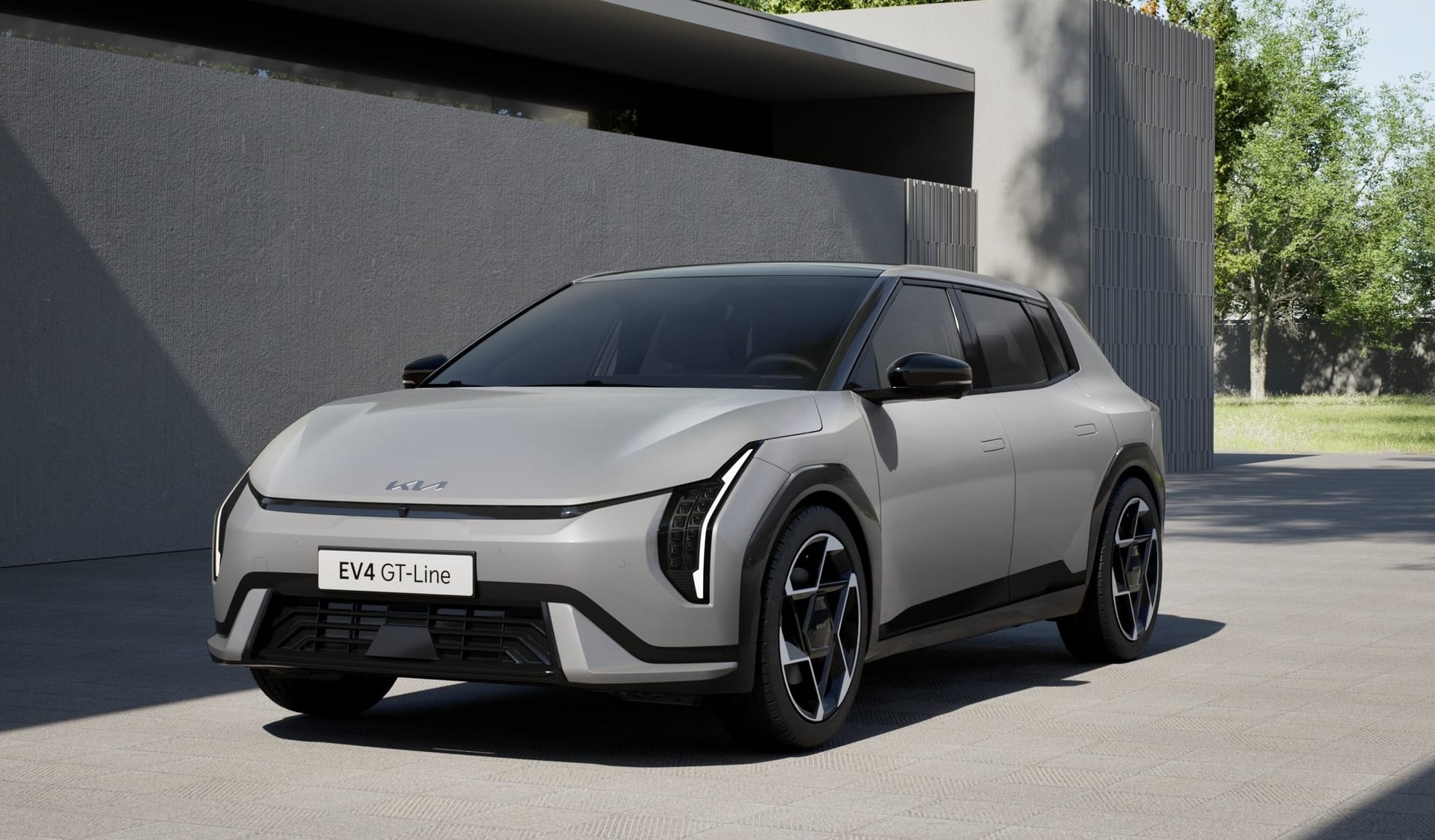
We cross-referenced the latest reports from J.D. Power, Consumer Reports and ADAC with after-sales experience in Spain to identify the six most reliable electric compact cars you can buy in 2026.
Reliability is no longer an afterthought in electric cars. With the first generation of battery-powered compacts already past 100,000 km in many Spanish garages, the ones that age well are starting to stand out from the ones that cause trouble. And international studies —J.D. Power US Electric Vehicle Experience, Consumer Reports Reliability Survey, ADAC Pannenstatistik— are beginning to agree on several names. Cross-checking that data with what official Spanish after-sales services report produces a fairly honest ranking.
This ranking deliberately leaves out the BYD Dolphin and the Atto 3. Not for reliability —the data is still too limited to judge it rigorously—, but because, in our view, other alternatives in the segment offer a cabin with materials and ergonomics that feel a step above, as well as a more polished driving experience. It is an editorial judgement, not a verdict. With that clarified, let’s move on to the six that do make the list.
How we put together the ranking
We cross-referenced three sources: J.D. Power’s annual study on electric cars, the 2025 Consumer Reports with a focus on problems per 100 vehicles, and the fault statistics from Germany’s ADAC, which remains the most granular European benchmark. To that we added what official Spanish workshops report as recurring incidents by model. The list is ordered by consistency across the three sources, not by range or price.
1. Kia EV4 — from €37,000
The Kia EV4 sets the benchmark for a simple reason: it inherits the already refined E-GMP platform of the EV6 and the Niro EV, and early reviews at Spanish dealerships point to a very low rate of electrical incidents. Kia carries the seven-year warranty habit, and that is not marketing: it forces the car to be designed to last. The battery thermal management, a historic weak point of many rivals, works without hitches here even with repeated fast charging in summer.
| Power kW | Power CV | Top speed | Range | Consumption | Label | Fuel |
|---|---|---|---|---|---|---|
| 150 kW | 204 CV | 170 km/h | 630 km | 14.7 kWh/100 km | Zero | Electric |
2. Hyundai Ioniq 5 — from €42,500
It shares its platform with the Kia and, after several software updates and a review of the ICCU system (the well-known converter that caused problems in the first units), the Ioniq 5 has settled as one of the electric cars with the fewest mechanical incidents in its segment. J.D. Power consistently places it in the top third. That said, it is not perfect: some owners report cabin noises after 60,000 km. Nothing structural.
| Power kW | Power CV | Top speed | Range | Consumption | Label | Fuel |
|---|---|---|---|---|---|---|
| 168 kW | 229 CV | 185 km/h | 570 km | 16.8 kWh/100 km | Zero | Electric |
3. Tesla Model 3 — from €39,990
Here we need to qualify things. The Tesla scores poorly in Consumer Reports for trim quality, body panel alignment and a few screen-related issues. But in mechanical and powertrain reliability —motor, battery, power electronics— the Model 3 is, in my view, one of the most solid cars on the market. The Highland version has also smoothed out much of the criticism about perceived build quality. It is quick, yes, and in day-to-day use it hardly ever visits the workshop.
| Power kW | Power CV | Top speed | Range | Consumption | Label | Fuel |
|---|---|---|---|---|---|---|
| 208 kW | 283 CV | 201 km/h | 534 km | 13.2 kWh/100 km | Zero | Electric |
4. Volkswagen ID.3 — from €36,500
The ID.3 got off to a rocky start —we all know it— with poor software and several recall campaigns. It turns out that, after the facelift and several OTA updates, it has become a notably reliable compact in its mechanical side. The ADAC places it above the segment average in fault rate. The electronics are no longer the enemy. What remains is the plastic feel of the dashboard, but that doesn’t break anything.
| Power kW | Power CV | Top speed | Range | Consumption | Label | Fuel |
|---|---|---|---|---|---|---|
| 150 kW | 204 CV | 160 km/h | 558 km | 15.3 kWh/100 km | Zero | Electric |
5. Renault Megane E-Tech — from €35,500
The Megane E-Tech has been a positive surprise. Renault, with an uneven reliability record in the past, has delivered here a compact that barely causes trouble: the CMF-EV platform, shared with the Nissan Ariya, runs without drama. In Spanish after-sales, the most common incidents are sensors and an occasional issue with the OpenR Link multimedia system. Nothing from the powertrain. A weekend Madrid–Valencia with two fast charges and home again.
| Power kW | Power CV | Top speed | Range | Consumption | Label | Fuel |
|---|---|---|---|---|---|---|
| 160 kW | 220 CV | 160 km/h | 468 km | 16.1 kWh/100 km | Zero | Electric |
6. Cupra Born — from €37,900
It shares almost everything with the ID.3, so it inherits its virtues and its corrected vices. The Born’s advantage lies in the chassis tuning for Spanish roads and in a cabin that feels a notch above the Volkswagen. On reliability, the data is practically identical. The steering does require more effort than that of the Cupra Formentor —a small detail not everyone forgives.
| Power kW | Power CV | Top speed | Range | Consumption | Label | Fuel |
|---|---|---|---|---|---|---|
| 170 kW | 231 CV | 160 km/h | 548 km | 15.5 kWh/100 km | Zero | Electric |
Comparative summary table
| Model | CV | Range | Consumption | Price from | Reliability score /10 |
|---|---|---|---|---|---|
| Kia EV4 | 204 | 630 km | 14.7 kWh | €37,000 | 9.2 |
| Hyundai Ioniq 5 | 229 | 570 km | 16.8 kWh | €42,500 | 9.0 |
| Tesla Model 3 | 283 | 534 km | 13.2 kWh | €39,990 | 8.7 |
| Volkswagen ID.3 | 204 | 558 km | 15.3 kWh | €36,500 | 8.5 |
| Renault Mégane E-Tech | 220 | 468 km | 16.1 kWh | €35,500 | 8.3 |
| Cupra Born | 231 | 548 km | 15.5 kWh | €37,900 | 8.4 |
What to check before signing
A practical tip: always ask for the car’s software update history —even if it is new— and check the exact terms of the battery warranty (a minimum retention of 70% is the usual standard). The Plan Auto+ remains the current aid scheme in Spain; it is worth checking the official website for the updated amount, since it changes frequently.
Frequently asked questions
Which electric compact is the most reliable in 2026?
Based on the cross-referenced data from J.D. Power, Consumer Reports and ADAC, the Kia EV4 tops the ranking, closely followed by the Hyundai Ioniq 5. Both share the E-GMP platform, already refined after several years on the road.
Is the Tesla Model 3 reliable despite its trim issues?
In the powertrain, yes — it is one of the cars with the fewest mechanical faults in its segment. The criticism is concentrated on body fit and some secondary electronic elements, not on the motor or the battery.
Has the software problem of the Volkswagen ID.3 been resolved?
Yes. Units built after the facelift and several OTA updates have stabilised the system. The ADAC already places it above average in its segment.
Does the battery warranty cover degradation on these models?
All of them offer eight years or 160,000 km with a minimum retention of 70% of capacity. Kia extends its general warranty to seven years, which in practice is the broadest coverage on the market.
Technical specifications of the cars in this article

 Peugeot E-208 GTi: a battery-powered toy that revives the spirit of the 1980s sports cars
 New Lexus ES: luxury grows and goes electric
 First contact with the Dacia Sandero Hybrid 155: power and efficiency from €19,890
Deja un comentario