Nissan Electric Cars Technology
Does the Nissan Leaf's battery pack cost 22,000 euros?
 Fernando Alvarez
12 August 2011
1 min.
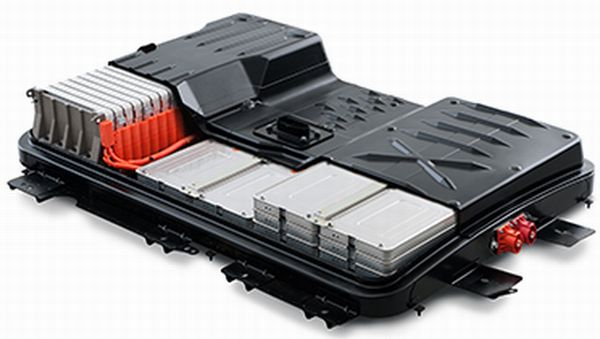
Now is not a good time to talk about the cost of the Nissan Leaf’s battery pack, as it is about to go on sale in Europe and has even already arrived in Spain. But according to Nissan UK vice president Andy Palmer, the battery pack costs £19,000, roughly 22,000 euros, as of today.
It should be clarified that replacing the battery pack is not something that needs to happen while the batteries and the car are new, since the battery’s energy storage capacity gradually declines. It is estimated that it will lose only 20% after five years of use and continuous charge and discharge cycles.
Furthermore, it is not necessarily the case that 48 battery modules must be replaced in the event of a fault, and the cost of the technology and of these batteries is expected to fall within a couple of years.
These last points are actually a bit more reassuring, because otherwise we would have had to recommend buying a good diesel car for the same amount of money.


 Peugeot E-208 GTi: a battery-powered toy that revives the spirit of the 1980s sports cars
 New Lexus ES: luxury grows and goes electric
 First contact with the Dacia Sandero Hybrid 155: power and efficiency from €19,890
4 comentarios
Deja un comentario
El coche eléctrico a día de hoy es un quiero y no puedo. No sé si habréis visto el último episodio de Top Gear, donde Clarkson y May se van a dar una vuelta con un Leaf y un iOn respectivamente.
Para empezar con los problemas, la autonomía en el Leaf es de sólo 160 kilómetros. Teniendo en cuenta que no hay demasiados puntos de recarga y que recargarlo desde cero lleva 13 horas no lo veo práctico. Según comentan con los puntos de recarga rápidos que se pretenden poner se tardará media hora (que ya le llega…), pero esto hará que la vida de las baterías se reduzca considerablemente. Y todo esto sin tener en cuenta que los cálculos de Nissan sobre la duración de las baterías se hacen considerando que se hacen recargas completas cuando la batería está totalmente vacía, situación ideal que no creo que sea lo habitual, máxime cuando su uso va a ser mayoritariamente urbano.
Hola JR solamente vengo con una observación: las baterías de todo eléctrico no se descargan al completo, ya que el sistema eléctrico no lo permite, así como la carga, que no se realiza al ciento por ciento. Esto es para protegerlas y alargar un poco su vida útil.
Un saludo
Desconocía el dato, gracias. De todos modos creo que se entiende a lo que me refería, si por ejemplo un móvil lo recargamos siempre cuando está a media carga nos va a durar menos que si esperamos a que el móvil nos avise de que está bajo de batería.
SOYS UNOS JODIDOS AMANTES DE LAS PETROLERAS, Y QUE, SI CUESTAN 22000€, QUE QUEREIS DAR LA IMPRESIÓN AL PÚBLICO QUE LAS HAY QUE CAMBIAR A HUEVOS A LOS DIEZ AÑOS?, PUES A VER SI OS ENTERAIS A LOS DIEZ AÑOS SU RENDIMIENTO BAJA UN 10%, JODER QUE EN VEZ DE HACER 180KM HACES 160KM, PERO LAS BATRÍAS SIGUIRAN ÚTILES HASTA LOS 600000KM, Y PARA ESA SERÁ MEJOR TIRAR CON EL COCHE, EXACTAMENTE IGUAL QUE LOS DE GASOLINA(QUE HOY NO SUELEN PASAR DE LOS 200000KM, Y YA DAN PENA)