Goodbye to the range extender in electric vehicles: BMW no longer sees it as useful
 Victor Alós Yus @sepelaci
27 November 2019
2 min.
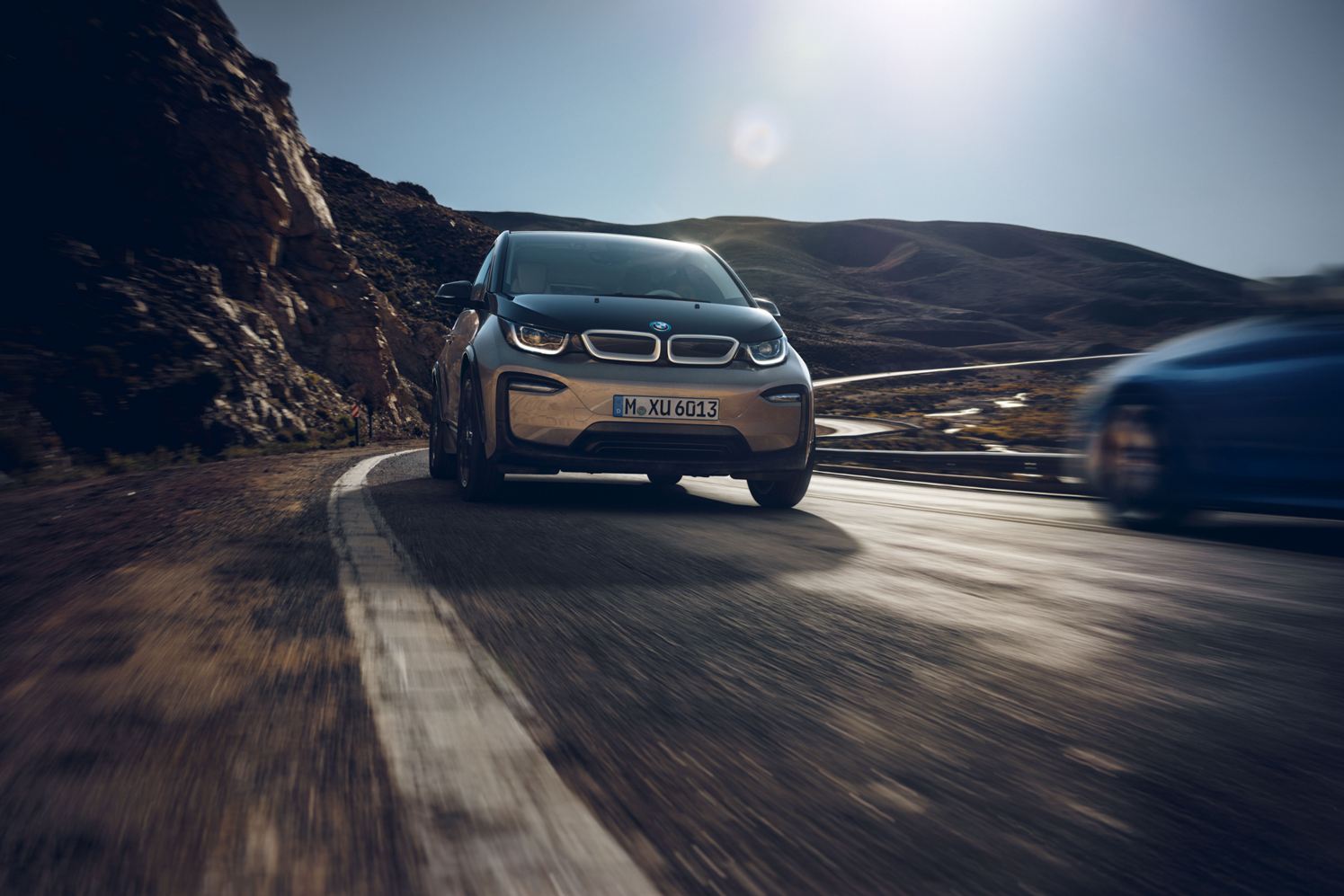
The small petrol engine of the BMW i3 REx, which adds an extra number of kilometres of range, will disappear in a couple of years due to the new batteries
You have probably heard of this propulsion system. It consists of a small combustion engine used as a range extender for when the electric battery has run out, so you can reach a charging point safely and not be left stranded halfway through a journey. If necessary, you can refuel with petrol to power this engine and keep driving until you find a charging point.
But electric car technology has changed since they reached the market more or less continuously, and the range of these vehicles has now grown considerably. So much so that where there used to be an electric car that did not reach 100 kilometres on a single charge, today they exceed 200 kilometres.
This means that the need for a combustion engine to support the electric motor no longer makes sense, since the extra range is now provided by the battery. This is, at least, the idea behind BMW, one of the brands that opted for this system and which has already been removing it from its electric models. One of the best known is the BMW i3 REx, which incorporates a two-cylinder, 647 cc combustion engine.
When the BMW i3 was launched, its range was 130 kilometres. The latest version of the BMW i3 has a range of 256 kilometres, a figure that surpasses the range-extender version by several kilometres. The need for this small petrol-powered engine is more of a psychological support that helps drivers feel safer during the journey.
For the time being, BMW will continue to offer this type of auxiliary engine in the BMW i3 REx, especially in the US market, where it has been better received than in other markets. But this system has a limited lifespan, and when the model receives a battery update in 2021, it will disappear from the Bavarian company’s range.


 Peugeot E-208 GTi: a battery-powered toy that revives the spirit of the 1980s sports cars
 New Lexus ES: luxury grows and goes electric
 First contact with the Dacia Sandero Hybrid 155: power and efficiency from €19,890
Deja un comentario