Audi BMW e-tron EX90 iX Macan Porsche Q6 e-tron Volvo Electric Cars Buying Guides Rankings SUV
How to Choose a Premium Electric SUV in 2026: 800V Architecture, Real-World Highway Range and Charging Experience
 Iván Navarro
12 November 2026
7 min.
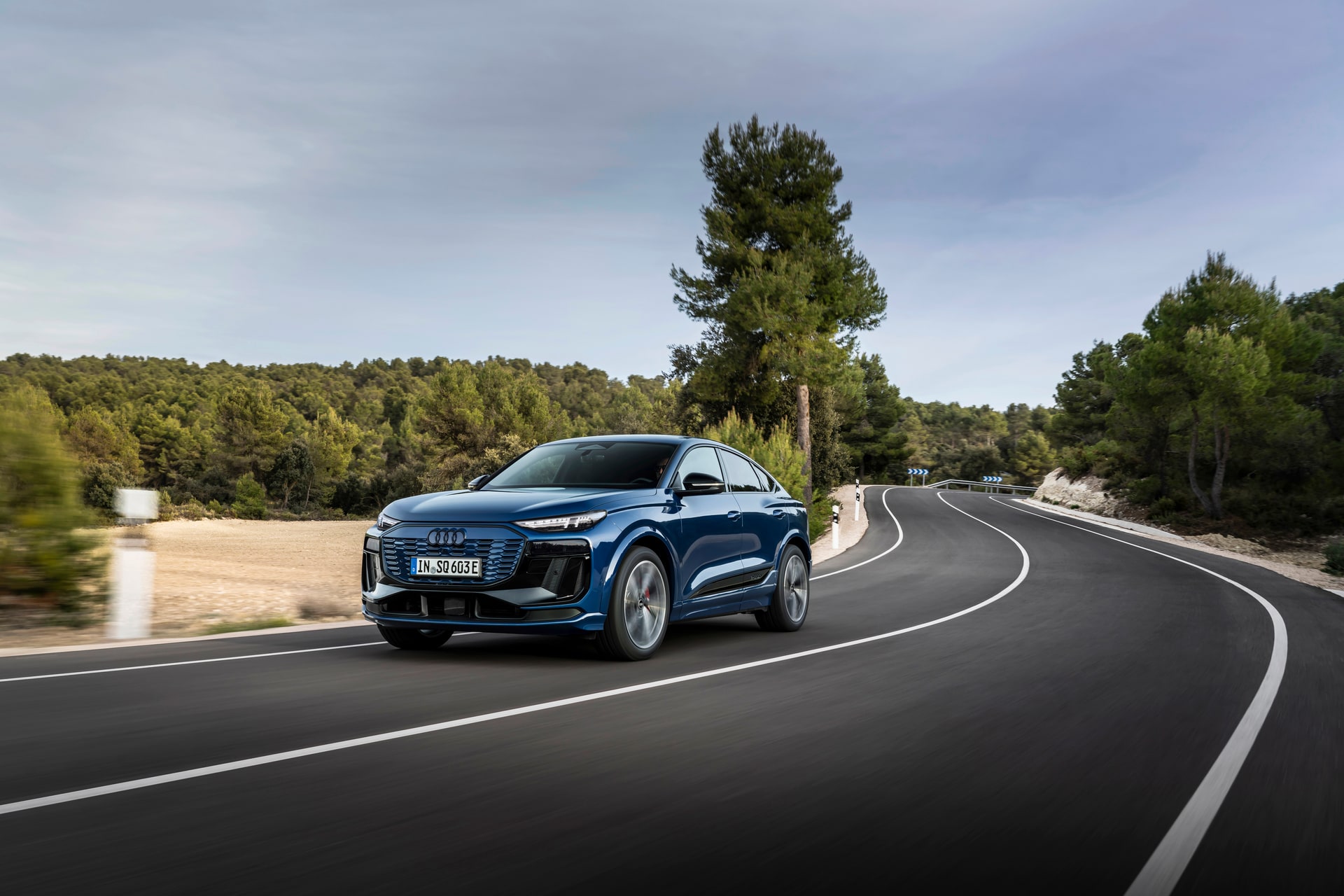
A technical guide to choosing a premium electric SUV in 2026 based on verifiable criteria: platform voltage, real-world highway consumption and charging curve. We compare Porsche, Audi, BMW, Mercedes-Benz, Volvo and Genesis with data beyond WLTP.
Buying a premium electric SUV in 2026 is no longer about picking the one that promises the most kilometres in the brochure. It’s about understanding what lies beneath the bodywork. The WLTP figure still appears in every catalogue, yes, but more and more informed buyers—the ones who will drive Madrid to Valencia in one afternoon, not just take photos for Instagram—ask about the platform voltage, consumption at 120 km/h and how long the car actually takes to recover battery at an Ionity charger on the A-3.
This guide organises that criteria with verifiable data, not with each brand’s sales pitch.
What “premium” really means in an electric SUV in 2026
The term has been devalued. Today “premium” is not just Nappa leather and a prestigious badge: it is an electric architecture capable of sustaining high charging power without collapsing after ten minutes, software that doesn’t freeze in the middle of a charging stop, and a range that doesn’t drop by 35% as soon as you exceed 110 km/h. A genuinely premium electric SUV shows itself on the motorway, not at the dealership.
800V architecture: why it matters more than the range figure
Here is the key point that almost nobody explains properly. An 800-volt platform—compared with traditional 400V systems—allows charging at higher power without needing thicker cables or losing as much energy as heat. In practice: less time stationary, less thermal degradation of the battery over successive charges and a power curve that stays high for more minutes§h14??, not just the peak figure brands advertise.
Not every premium SUV has made the jump. Porsche, Audi and Genesis have already done so with their PPE and E-GMP platforms. BMW and Mercedes-Benz still use 400V architectures in their current electric SUVs, compensating with larger batteries and refined thermal management. The Volvo EX90 (2026 model) has already moved to 800V. It works at 400V, but it is not the same for ultra-fast charging.
Real-world motorway range at 120 km/h: the figure you should really look at
The homologated WLTP consumption is measured in a mixed cycle that favours urban stretches and moderate speeds. At a constant 120 km/h, with the air conditioning running and the headwind that any Spanish motorway hands out in summer, real consumption rises between 25% and 35% above the catalogue figure. An SUV promising 620 km WLTP can end up with 420-450 real motorway kilometres. That difference decides whether you stop once or twice on a trip to the coast.
Charging experience: curve, 10-80% times and the network available in Spain
The figure that truly matters is not the maximum charging power, but how long the car sustains it. An SUV that reaches 270 kW for two minutes and then drops to 90 kW does not charge faster than one that holds 180 kW steadily. The ultra-fast charging network in Spain—Ionity, Iberdrola, Powerdot—already offers 300-350 kW points along the main corridors, but only cars with 800V fully exploit that potential.
The premium electric SUVs you can buy today in Spain
Porsche Macan Electric: from €83,300
The fastest charger in its whole segment thanks to its 800V PPE platform, shared with Audi. On the motorway it keeps consumption under control better than others in this group. The Macan 4 version (300 kW / 408 CV) starts at around €85,400.
| Power (kW) | Power (CV) | Range | Consumption | Label | Fuel |
|---|---|---|---|---|---|
| 300 kW | 408 CV | 613 km (WLTP) | 18.4 kWh/100 km | Electric |
Audi Q6 e-tron: from €71,650
It shares its technical base with the Macan but with a slightly more family-oriented approach. We compare it in depth against its cousin from Zuffenhausen in our Porsche Macan Electric vs Audi Q6 e-tron duel, and the real motorway difference is smaller than the price suggests. The absolute entry price is lower (~€66,370 in the 252 CV version).
| Power (kW) | Power (CV) | Range | Consumption | Label | Fuel |
|---|---|---|---|---|---|
| 285 kW | 388 CV | 625 km (WLTP) | 17.9 kWh/100 km | Electric |
BMW iX: from €87,850
It remains on 400V, and it shows in the charging times, but it compensates with a generous battery and a ride comfort that many people value more than the minutes saved at a service area. The entry version is the xDrive45.
| Power (kW) | Power (CV) | Range | Consumption | Label | Fuel |
|---|---|---|---|---|---|
| 300 kW | 408 CV | 602 km (WLTP) | 19.5 kWh/100 km | Electric |
Mercedes-Benz EQE SUV: from €86,800
The most focused on silent comfort of the six. Its motorway consumption suffers a little more than the Audi’s due to aerodynamics and weight, but the cabin more than makes up for it. Data for the 350+ version.
| Power (kW) | Power (CV) | Range | Consumption | Label | Fuel |
|---|---|---|---|---|---|
| 215 kW | 292 CV | 590 km (WLTP) | 18.7 kWh/100 km | Electric |
Volvo EX90: from €89,000
The most family-oriented of the group. Its offer combines active safety and a cabin designed for long journeys. The 2026 model uses an 800V architecture. Indicative data for the Twin Motor version.
| Power (kW) | Power (CV) | Range | Consumption | Label | Fuel |
|---|---|---|---|---|---|
| 300 kW | 408 CV | 600 km (WLTP) | 19.0 kWh/100 km | Electric |
Genesis GV60: from €55,900
The most affordable on the list and, even so, with an 800V E-GMP platform. It charges almost as fast as the Macan for a fraction of the price. The entry version (RWD) homologates up to 561 km; more powerful versions reduce range somewhat.
| Power (kW) | Power (CV) | Range | Consumption | Label | Fuel |
|---|---|---|---|---|---|
| 168 kW | 229 CV | 561 km (WLTP) | 17.8 kWh/100 km | Electric |
Comparison: voltage, consumption and charging at a glance
| Model | Platform voltage | WLTP range | Charging 10-80% approx. | Overall score (1-10) |
|---|---|---|---|---|
| Porsche Macan Electric | 800V | 613 km | ~21 min | 9.2 |
| Audi Q6 e-tron | 800V | 625 km | ~22 min | 9.0 |
| Genesis GV60 | 800V | 561 km | ~18-20 min | 8.6 |
| Volvo EX90 | 800V | 600 km | ~22 min | 8.0 |
| BMW iX | 400V | 602 km | ~35 min | 8.0 |
| Mercedes-Benz EQE SUV | 400V | 590 km | ~32 min | 7.7 |
Our ranking of electric SUVs with the best balance of range, fast charging and price follows this same methodology for the more affordable segment, and the conclusion is similar: voltage is what matters most.
Public aid and real cost of ownership
From the sale price, where applicable, the current Plan Auto+ aid must be deducted, the state plan that replaced the former purchase subsidy scheme for electric vehicles. Amounts and deadlines change frequently, so it is prudent to always check the official website before closing the purchase, and never rely on figures circulating outdated on forums.
Frequently asked questions
Which premium electric SUV charges fastest in Spain in 2026?
The Porsche Macan Electric and the Audi Q6 e-tron, thanks to their shared 800V platform, spend the least time stationary at an ultra-fast charger above 270 kW. The Genesis GV60 and the Volvo EX90 (2026) also make good use of the 800V network.
Why does 800V voltage matter if everyone charges fast according to the catalogue?
Because peak charging power is sustained for longer on 800V platforms, whereas on 400V the curve drops sooner. The difference shows up in real minutes, not in the peak figure.
How much real range does a premium electric SUV have on the motorway at 120 km/h?
Between 25% and 35% less than the homologated WLTP figure, depending on aerodynamics, weight and climate control. A 600 km WLTP figure usually translates into 420-450 real motorway kilometres.
Is it worth paying more for an SUV with 800V if I don’t make long trips?
It depends on use. For home charging and urban journeys, voltage matters little. The advantage of 800V shows mainly on frequent motorway trips with stops at public chargers.
Technical specifications of the cars in this article

 Kia offers an electric range of 10 models, 50 versions and 400 possible combinations
 The seven finalists for the 2027 European Car of the Year (COTY) are exclusively electric
 Peugeot E-208 GTi: a battery-powered toy that revives the spirit of the 1980s sports cars
Deja un comentario