Audi BMW e-tron EV6 iX3 KIA Model Y Q6 e-tron Tesla Electric Cars Comparisons Buying Guides SUV
How to Choose a Premium Electric SUV with the Best Value for Money in 2026: Range, Technology and Equipment
 Iván Navarro
21 August 2026
6 min.
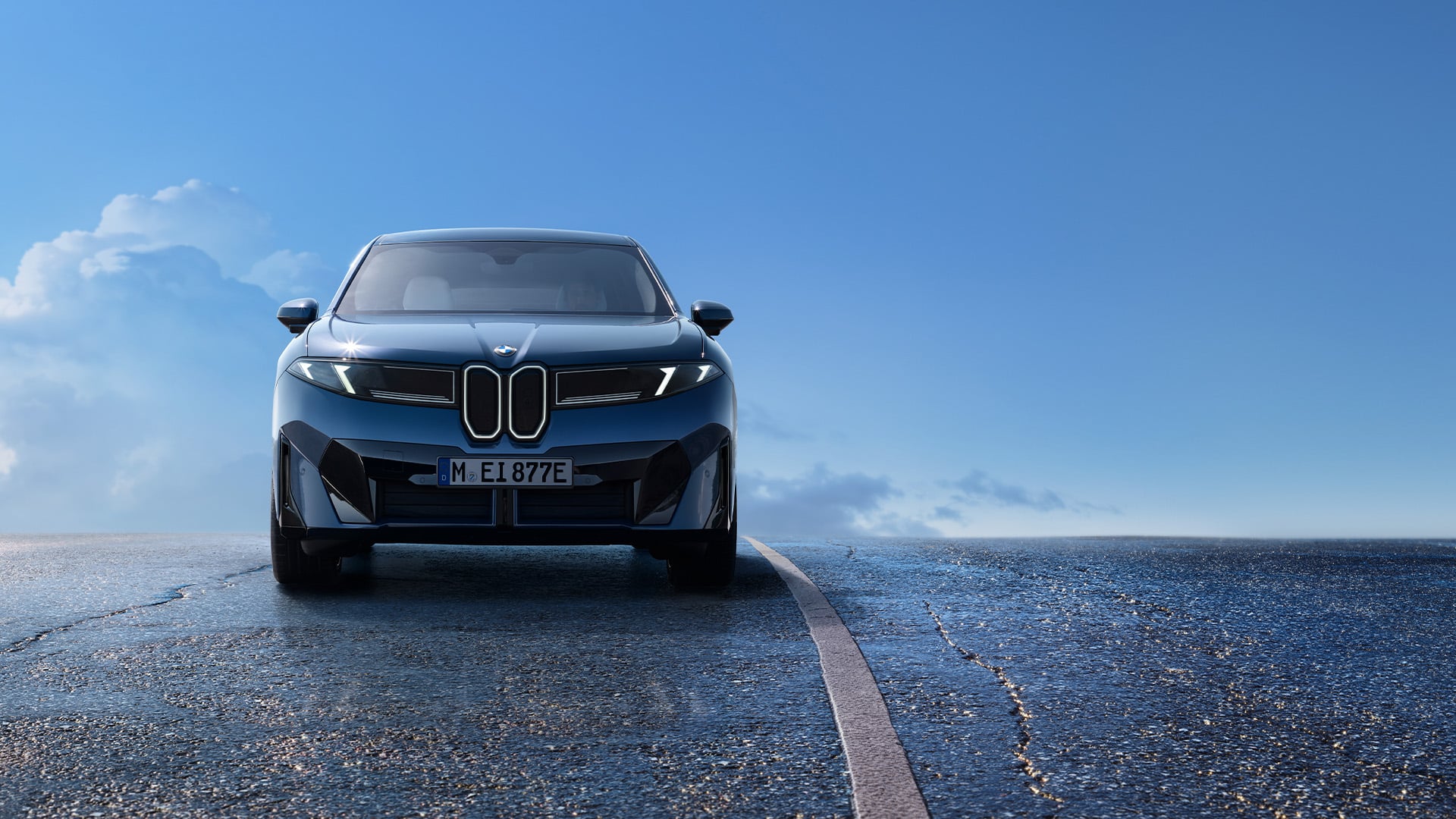
Technical guide to choosing the best value-for-money premium electric SUV in Spain in 2026: WLTP and real-world range, 800V architecture, ADAS and equipment compared model by model.
Choosing a premium electric SUV in 2026 is no longer just a matter of looking at the badge. The offer has widened, Chinese brands are pushing prices down, and German manufacturers have made a serious technical leap with 800-volt platforms. And yet the buyer’s question remains the same: which model gives you the most for what you pay?
Let’s break it down using verifiable criteria. No vague impressions.
What defines a premium electric SUV today?
A premium electric SUV in 2026 is not justified by its finishes alone. It calls for a coherent electric architecture — ideally 800V —, WLTP range above 500 km, genuine Level 2+ ADAS and a software ecosystem that doesn’t feel second-hand. Everything else is marketing.
WLTP range versus real-world range: the difference that really matters
WLTP remains the official yardstick, but anyone who has driven Madrid to San Sebastián knows the figure collapses by 20 to 30% at 120 km/h. A premium electric SUV with 550 km WLTP ends up at 400–430 real km on the motorway with climate control running. That is the honest number.
400V versus 800V architecture: why it shapes the purchase
800V architecture is today the line separating cars that charge well from those that charge average. It allows peaks above 250 kW, thinner cables, less heat and flatter charging curves. In a motorway fast-charging ranking, the gap between a well-engineered 400V system and a well-engineered 800V one can be 10 minutes per stop. Multiply that by the number of stops per year and you’ll understand why it matters.
Real charging power: what you see at the charger
The advertised peak matters less than the curve. A car that claims 270 kW but drops to 100 kW at 40% battery charges worse in practice than one that holds steady at 180 kW up to 70%. Always ask for 10–80% data in minutes, not showroom figures.
ADAS and semi-autonomous driving: Level 2+ at a minimum
In this segment, decent lane centring, predictive adaptive cruise control, assisted lane changes and automatic parking are already standard or should be. German systems remain the most polished on long stretches; Korean brands have closed the gap; Tesla keeps its lead in software, though with legal caveats in Europe.
Standard equipment: what must come as standard
Adaptive suspension, heat pump (critical in winter), matrix LED lights, head-up display, premium sound, quality upholstery and tri-zone climate control. If a heat pump is missing at this price, that should be questioned.
Battery warranty and cost of ownership
The segment standard is 8 years or 160,000 km with 70% retention. Some Chinese manufacturers are starting to offer more, but the service network weighs as much as the fine print.
Public aid and taxation
The Plan Auto+ remains the reference framework for electric car purchase incentives in Spain. Check the exact amounts and deadlines on the official website before signing, as they change.
BMW iX3 — from €64,000
The iX3 debuts the Neue Klasse platform with 800V architecture, over 800 km WLTP in the longest-range version and a huge efficiency leap over the previous generation. In our view, it is today the technical benchmark of the segment: an interior with the new Panoramic iDrive, very refined ADAS and a charging curve that stays high well past 70%.
| Power kW | Power hp | Top speed | WLTP range | Consumption | Label | Fuel |
|---|---|---|---|---|---|---|
| 345 kW | 469 hp | 210 km/h | 805 km | 15.1 kWh/100 km | Zero emissions | Electric |
Audi Q6 e-tron — from €66,400
The Q6 e-tron uses the PPE platform shared with Porsche, with native 800V, a 270 kW peak charging rate and an interior that genuinely feels premium to the touch. The MMI software, however, still needs refinement that Audi promises via OTA updates.
| Power kW | Power hp | Top speed | WLTP range | Consumption | Label | Fuel |
|---|---|---|---|---|---|---|
| 285 kW | 387 hp | 210 km/h | 625 km | 17.0 kWh/100 km | Zero emissions | Electric |
Mercedes-Benz EQE SUV — from €83,000
The EQE SUV prioritises comfort and insulation above all else. It uses a 400V architecture, which does penalise it on fast charging compared with 800V rivals. It compensates with finishes and an MBUX experience that remains a benchmark.
| Power kW | Power hp | Top speed | WLTP range | Consumption | Label | Fuel |
|---|---|---|---|---|---|---|
| 215 kW | 292 hp | 210 km/h | 590 km | 19.1 kWh/100 km | Zero emissions | Electric |
Tesla Model Y — from €39,990
It isn’t premium in the classic sense, but on price, Supercharger network and software it makes its way into any serious comparison. The refreshed Model Y (Juniper) improves finishes, soundproofing and suspension. It remains the segment’s best real-world cost-per-kilometre case.
| Power kW | Power hp | Top speed | WLTP range | Consumption | Label | Fuel |
|---|---|---|---|---|---|---|
| 220 kW | 299 hp | 201 km/h | 534 km | 14.9 kWh/100 km | Zero emissions | Electric |
Kia EV6 — from €51,000
The EV6 was the first affordable 800V car and remains a very rational purchase. Charging from 10 to 80% in 18 minutes, solid range and a well-tuned chassis that is genuinely enjoyable to drive. The GT version is another story — 585 hp — but even the entry version convinces.
| Power kW | Power hp | Top speed | WLTP range | Consumption | Label | Fuel |
|---|---|---|---|---|---|---|
| 168 kW | 229 hp | 185 km/h | 582 km | 16.5 kWh/100 km | Zero emissions | Electric |
Genesis GV60 — from €55,900
The GV60 shares the E-GMP platform with the EV6 but raises the bar on materials, soundproofing and details such as the crystal rotary controls. It is the Korean premium brand many people don’t know about and, in my view, offers some of the best equipment-to-price ratios in the segment if negotiated well.
| Power kW | Power hp | Top speed | WLTP range | Consumption | Label | Fuel |
|---|---|---|---|---|---|---|
| 168 kW | 229 hp | 185 km/h | 561 km | 16.7 kWh/100 km | Zero emissions | Electric |
Summary table and rating
| Model | Range | Architecture | Peak charging | Price from | Score /10 |
|---|---|---|---|---|---|
| BMW iX3 | 805 km | 800V | 400 kW | €64,000 | 9.3 |
| Audi Q6 e-tron | 625 km | 800V | 270 kW | €66,400 | 8.8 |
| Mercedes EQE SUV | 590 km | 400V | 170 kW | €83,000 | 8.0 |
| Tesla Model Y | 600 km | 400V | 250 kW | €46,000 | 8.7 |
| Kia EV6 | 582 km | 800V | 240 kW | €51,000 | 8.9 |
| Genesis GV60 | 561 km | 800V | 240 kW | €55,900 | 8.4 |
What would we choose today?
If the priority is pure technology and charging curve, the BMW iX3 sets the pace. If you want the best price-to-product balance without giving up 800V, the Kia EV6 remains very hard to beat. And if the criterion is total cost including the charging network, the Tesla Model Y has no rival below €50,000.
Frequently asked questions
Which premium electric SUV offers the best value for money in Spain in 2026?
Objectively speaking, the Kia EV6 combines 800V architecture, range above 580 km and a price below €55,000, making it the most balanced option. The Tesla Model Y wins if running costs via the Supercharger network are the priority.
Is it worth paying more for an SUV with 800V architecture?
Yes, if you make frequent long journeys. The difference is 10–15 minutes per fast-charging stop and less long-term battery degradation. For purely urban use, 400V is sufficient.
How much real-world range do I need for mixed use in Spain?
With 450 real km you can cover any intercity journey without range anxiety. That equates to roughly 550–600 km WLTP in a well-managed premium electric SUV.
Can the Plan Auto+ be combined with manufacturer discounts?
In general yes, and most brands already integrate the handling of the aid into the purchase process. It is advisable to confirm the current conditions on the official website before signing the order.
Technical specifications of the cars in this article


 Peugeot E-208 GTi: a battery-powered toy that revives the spirit of the 1980s sports cars
 New Lexus ES: luxury grows and goes electric
 First contact with the Dacia Sandero Hybrid 155: power and efficiency from €19,890
Deja un comentario