Audi BMW ES GLE Lexus Mercedes Q7 RX X5 Hybrid Cars Comparisons Buying Guides SUV
How to Choose a Premium Hybrid SUV for Travelling in 2026: Comfort, Motorway Consumption and Boot Space
 Dani Montesinos
29 October 2026
6 min.
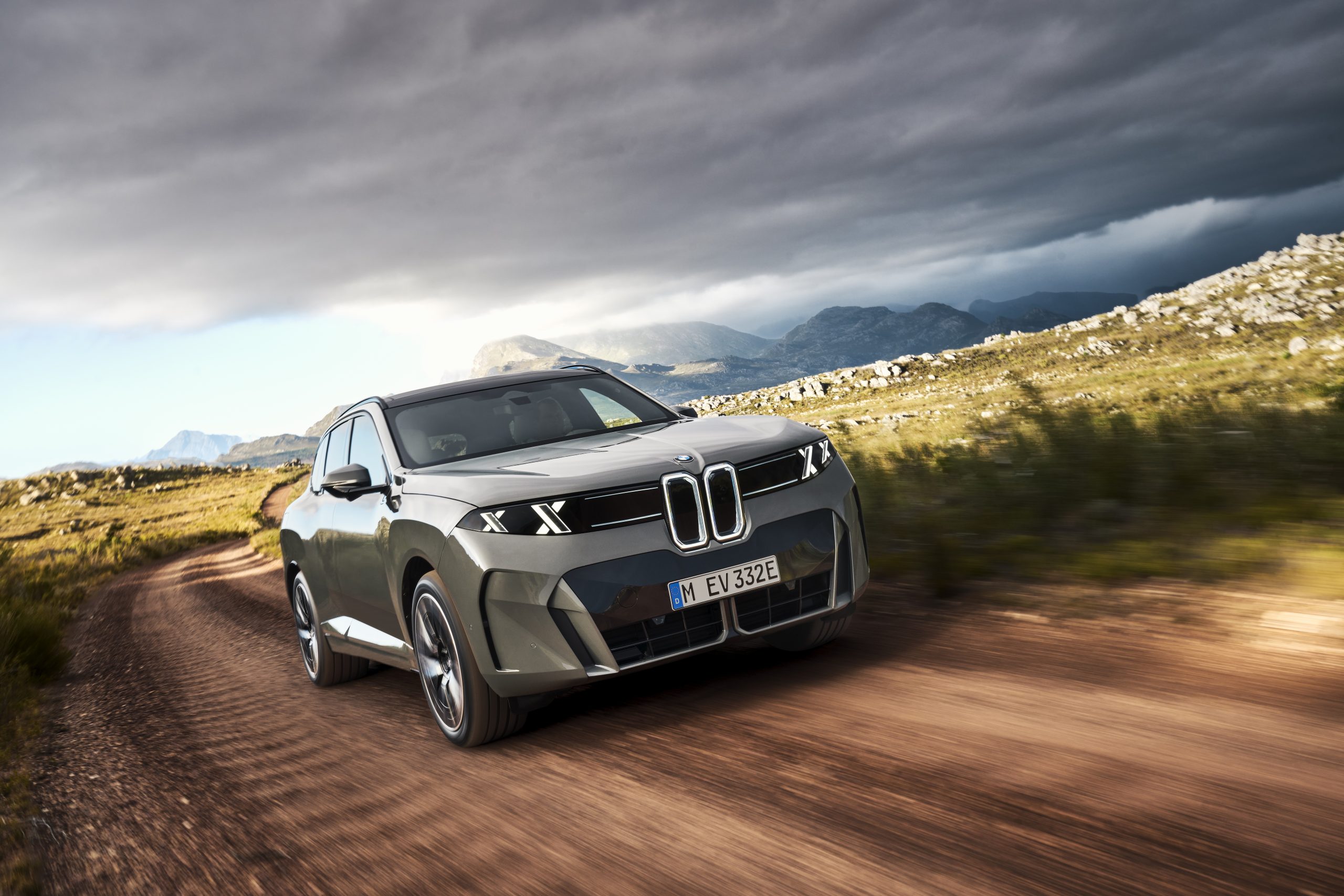
Comparison of the most relevant premium hybrid SUVs of 2026 in Spain: travel comfort, real motorway consumption at 120 km/h, electric range and boot space
Choosing a premium hybrid SUV for long journeys is not the same as choosing one for city driving. The criteria change. On the motorway, at cruising speed, an electric motor that shines in urban traffic loses part of its purpose, and what matters is ride comfort, the combined consumption at 120 km/h and the real capacity of the boot when you need to fit three large suitcases and a golf bag. In 2026, the Spanish market offers very solid options in this segment. Let us review them with data, not hunches.
What a premium hybrid SUV must deliver for travelling in 2026
Comfort over long distances
A good travel SUV absorbs motorway expansion joints without transmitting them to the cabin, keeps the interior quiet above 120 km/h and does not force the driver to correct the steering every few seconds. Adaptive air suspension, increasingly common in this segment, makes a noticeable difference compared with conventional coil springs. Nor should the seats be underestimated: on journeys of four or five hours, a well-designed backrest is worth as much as the engine’s power.
Real motorway consumption at 120 km/h
Here lies the catch with plug-in hybrids: their WLTP combined consumption figures assume a fully charged battery and short trips. On the motorway, with the battery depleted, the combustion engine works alone and consumption rises, sometimes considerably. A well-engineered premium SUV should operate between 7.5 and 9 l/100 km in those conditions, a figure worth verifying before buying, not after.
Boot and luggage space
The space taken up by the battery usually reduces litres compared with pure combustion versions. That is why it is worth checking the homologated figure with the rear seats in their normal position, not just the maximum with the backrests folded down.
PHEV electric range and purchase incentives
For those who make mixed journeys — motorway during the week, city the rest of the time — an electric range of 60 to 110 km WLTP allows most daily use in zero-emission mode. In addition, these models may benefit from the Plan Auto+, the current public aid for buying electrified vehicles in Spain; it is advisable to check the up-to-date amount on the official website before closing the deal.
BMW X5 50e xDrive, from 106,150 €
In our view, the X5 xDrive50e is the most balanced of this review for those who drive many kilometres a year. The air suspension fitted as standard on the top versions makes the difference on the motorway, and the electric range allows you to get to work without using the combustion engine almost any working day.
| Power (kW) | Power (CV) | Electric range | Label | Fuel |
|---|---|---|---|---|
| 360 kW | 489 CV | 110 km | ZERO | PHEV |
Mercedes GLE 450e 4MATIC, from 104,000 €
The GLE 400e takes a quieter approach than a sporty one. The acoustic insulation at motorway speed is among the best we have tested in this price bracket, and the standard AIRMATIC suspension does the rest. The boot, however, loses some depth compared with the diesel versions of the same model.
| Power (kW) | Power (CV) | Electric range | Label | Fuel |
|---|---|---|---|---|
| 320 kW | 435 CV | 100 km | ZERO | PHEV |
Lexus RX 450h+, from 85,250 €
The RX 450h+ is the most affordable of the five, and not for that reason any less interesting. Lexus has opted for an electric range somewhat shorter than its German rivals, but it makes up for it with mechanical reliability that the brand has been cultivating for years, and very competitive consumption in conventional hybrid mode once the battery runs out in the middle of a long journey.
| Power (kW) | Power (CV) | Electric range | Label | Fuel |
|---|---|---|---|---|
| 227 kW | 309 CV | 67 km | ZERO | PHEV |
Volvo XC90 PHEV, from 94,100 €
The XC90 PHEV remains, in my view, the most comfortable of the five for travelling with children: excellent front seats, a usable third row and a boot that does not disappoint despite the battery. Its combined power is the highest in the group, although it is not the first thing one looks for in an SUV designed for long road trips.
| Power (kW) | Power (CV) | Electric range | Label | Fuel |
|---|---|---|---|---|
| 339 kW | 461 CV | 162 km | ZERO | PHEV |
Audi Q7 TFSI e, from 88,200 €
The Q7 TFSI e is the most discreet of the comparison in terms of electric range, but its motorway behaviour — quattro traction included — makes it especially suitable for those who regularly travel mountain roads or in demanding weather conditions. The boot, at 650 litres, is among the most generous in the group.
| Power (kW) | Power (CV) | Electric range | Label | Fuel |
|---|---|---|---|---|
| 360 kW | 490 CV | 84 km | ZERO | PHEV |
2026 premium hybrid SUV comparison: summary table
| Model | Price from | Electric range | Motorway comfort (1-10) | Boot | Overall score (1-10) |
|---|---|---|---|---|---|
| BMW X5 xDrive50e | 106,150 € | 110 km | 9 | 500 l | 9 |
| Mercedes GLE 450e | 104.00 € | 100 km | 9 | 490 l | 8.5 |
| Lexus RX 450h+ | 85,250 € | 67 km | 7.5 | 439 l | 8 |
| Volvo XC90 PHEV | 94,100 € | 162 km | 8.5 | 451 l | 8.5 |
| Audi Q7 TFSI e | 88,200 € | 84 km | 8 | 650 l | 8 |
Which one to choose according to your type of travel
If your usual route mixes motorway and mountains, the Audi Q7 TFSI e and its quattro traction make up for its shorter electric range. If you are looking for absolute silence at 120 km/h, the Mercedes GLE 400e and the BMW X5 xDrive50e battle for first place — and it is no coincidence that both come with air suspension as standard. For families with young children, the Volvo XC90 Recharge remains hard to beat for interior space. And if budget is the priority, the Lexus RX 450h+ offers the most reasonable entry point into the segment without sacrificing reliability. It is also worth reviewing our guide to premium plug-in hybrid SUVs if maximising kilometres in electric mode is the priority, and the ranking of PHEV SUVs with the longest range under 70,000 euros to see more competitively priced alternatives.
Frequently asked questions
Which premium hybrid SUV consumes least on the motorway at 120 km/h?
With the battery depleted, the Lexus RX 450h+ and the Mercedes GLE 450e usually show the lowest consumption in the group, although no premium PHEV consistently drops below 7.5 l/100 km in those conditions.
Is a plug-in hybrid SUV worthwhile if I travel a lot on the motorway?
It is debatable whether it pays off compared with a conventional hybrid or a modern diesel when use is almost exclusively long-distance, since the battery contributes little on the motorway. It makes sense if there is also daily urban use to take advantage of the electric range.
Which premium hybrid SUV has the largest boot?
The Audi Q7 TFSI e, with 650 litres, stands out from the other models analysed in this comparison.
Can I access the Plan Auto+ by buying one of these models?
Yes, plug-in hybrid SUVs usually meet the electrification requirements of the Plan Auto+, although the amount and conditions should be checked on the official website before finalising the purchase, as they may vary.
Technical specifications of the cars in this article

 Kia offers an electric range of 10 models, 50 versions and 400 possible combinations
 The seven finalists for the 2027 European Car of the Year (COTY) are exclusively electric
 Peugeot E-208 GTi: a battery-powered toy that revives the spirit of the 1980s sports cars
Deja un comentario