Improve the performance and fuel consumption of your petrol car for little money
 Antonio Roncero @roncero_antonio
27 September 2023
11 min.
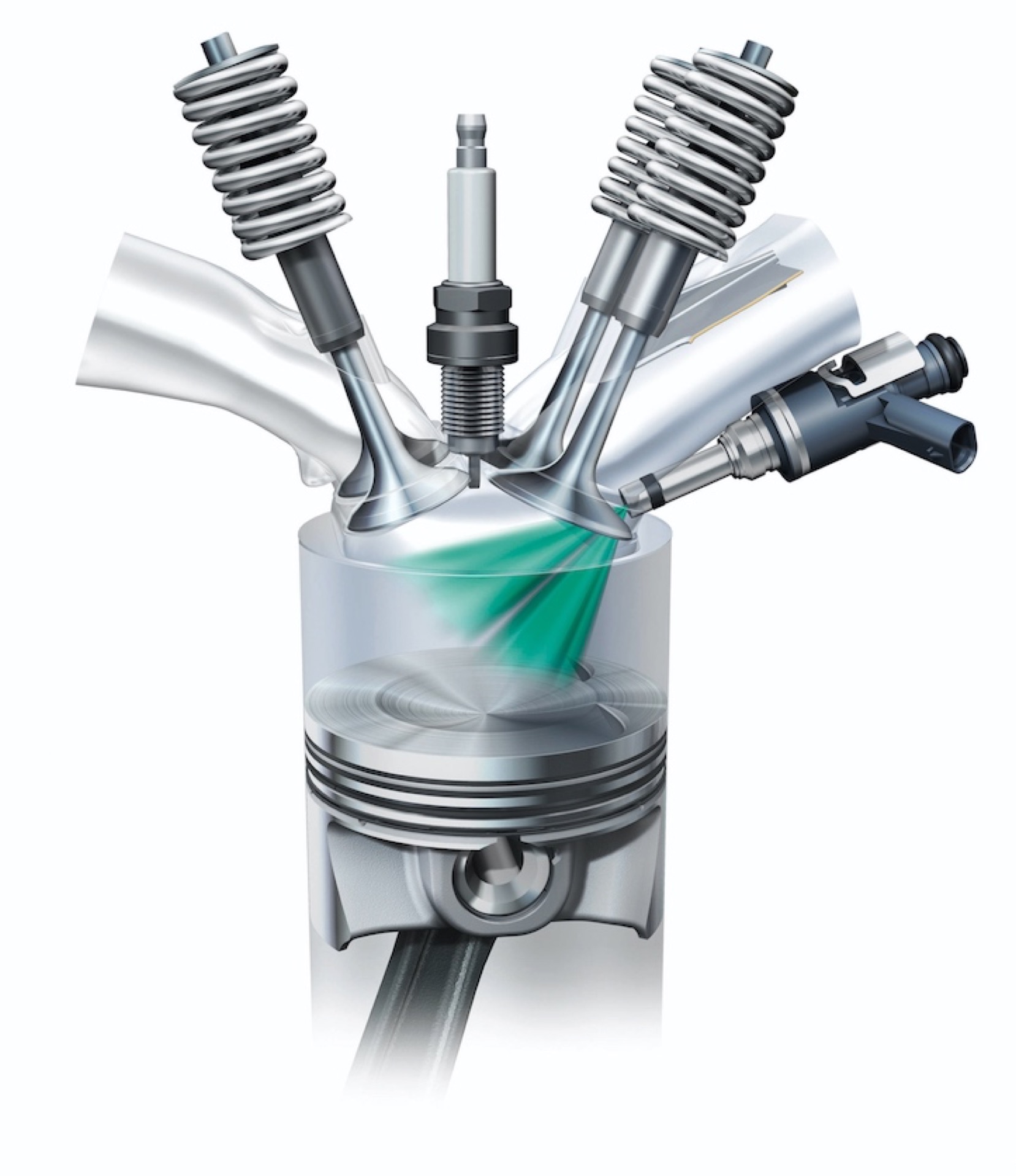
Using quality spark plugs and keeping them in good condition is key for your petrol engine to run properly and regain any performance it may have lost.
In petrol engines, the spark plug is responsible for generating the electric spark that ignites the air-fuel mixture. But, besides producing a “quality” spark, a good spark plug — or one suited to a particular engine — must also absorb and dissipate the heat generated in the combustion chamber correctly.
You will therefore understand that worn-out spark plugs can have a very significant impact on engine performance. Replacing them on time and using good-quality spark plugs can help restore the performance of an engine that no longer delivers as it should, or improve fuel consumption. But beware, because not all spark plugs are suitable for every engine.
Let’s look a little further into spark plugs. Among other things, we will cover the types of spark plugs available, their prices and characteristics, how to choose the right one, and how to identify possible faults based on the condition of the spark plugs. Let’s begin.
The most important parts of a spark plug
All spark plugs have a central electrode and a earth electrode, which determine the type of spark plug. Between these two electrodes there is a gap, which is where, quite literally, the spark jumps.
Another of the most important parts is the insulator. Its heat conductivity determines the heat range of the spark plug, which we will discuss later. Exposed to voltages of up to 30,000 volts and temperatures above 800 degrees Celsius, it is normally made of aluminium oxide with glassy additives.
The spark plug shell, which includes the thread and ends at the electrode, is usually made of rolled steel plated with zinc or nickel (the latter resist oxidation better). Between the central electrode and the connection terminal sits the resistor, a component made from a glassy mixture of graphite and metal, responsible for keeping conductivity constant and filtering out parasitic currents.
Types of spark plugs
There are many ways to classify spark plugs.
- By material type: One of the most common is by the material the electrodes are made from. The most conventional spark plugs are copper, whose main advantage is excellent conductivity. Platinum or iridium spark plugs offset their lower conductivity with central electrodes designed to optimise the current jump; their advantage is greater durability, up to four times that of copper, although they are also more expensive.
- By thread seat: Spark plugs are classified by the seat of the thread, distinguishing between flat seats with a gasket or washer, and tapered seats, which seal hermetically when screwed into the cylinder head without needing a gasket. Thread reach also distinguishes between long-reach and short-reach plugs, depending on the cylinder head and engine type.
- By number of electrodes: Conventional spark plugs usually have one earth electrode, but multi-electrode spark plugs may have two or four earth electrodes, allowing different spark paths. The advantage of multi-electrode plugs is that they provide more balanced ignition and burn off soot particles deposited at the base of the insulator better.
- By spark type: Depending on the path the spark takes between the electrodes, a distinction is also made between air-gap and sliding-spark plugs. In the former, the spark crosses the air-fuel mixture between the electrodes, whereas in the latter — usually multi-electrode — the earth electrode surrounds the central one, which protrudes slightly from the insulator, allowing the spark to slide along it. The advantage of air-gap spark is greater ignition reliability throughout the spark plug’s service life, whereas sliding-spark plugs have a greater self-cleaning effect and longer life. Today there are also spark plugs that combine both techniques.
The heat range of the spark plug
Each engine operates within specific temperature ranges. A suitable spark plug must be able to absorb and dissipate heat according to the demands of each engine, so that it stays within a temperature range that reaches a minimum temperature ensuring self-cleaning of combustion residues, without exceeding a maximum temperature that could cause pre-ignition.
This ability to dissipate heat is called heat range, which is expressed on a numerical scale, classifying spark plugs into two categories: hot and cold. The higher the heat range number, the hotter the spark plug. But beware, because a spark plug is not hot or cold based on the temperatures it can reach, but on its ability to dissipate heat.
- Cold spark plugs: their heat range is low, so they are suitable for powerful, high-performance engines that need spark plugs able to dissipate heat from the combustion chamber very quickly.
- Hot spark plugs: their heat range is high, meaning they dissipate heat more slowly. They are therefore suitable for conventional engines, which operate at lower temperatures.
Whether a spark plug runs hot or cold depends on the size and configuration of the insulator nose, as well as the material the electrode is made from. If you use a spark plug that is too cold in an engine that requires one with a higher heat range, ignition failures can occur due to soot build-up at the base of the insulator.
Conversely, a spark plug that is too hot in a high-performance engine, which cannot dissipate temperature properly, can seriously damage the engine by creating hot spots that self-ignite the air-fuel mixture on contact, before the spark jumps.
You can see an illustrated explanation of spark plug heat range in this video from NGK:
https://www.youtube.com/watch?v=rqoNsyJRwZo
When should spark plugs be replaced in a petrol engine?
As with oil changes, the best thing is to refer to the car’s owner’s manual, since the answer depends on the vehicle… and also on the type of spark plug.
Copper-core spark plugs used to be changed roughly every 30,000 km, whereas platinum- or iridium-core spark plugs last up to four times longer. There are multi-electrode platinum or iridium spark plugs that can even reach 150,000 km.
One thing to bear in mind here is that spark plug replacement on many new cars is specified by mileage or by years. If you do few kilometres with your car, you may find that at one of the services you need to change the spark plugs well before mileage would require it. But you know: if you don’t comply with the maintenance schedule, you may lose the warranty.
Beware, because on cars that sit idle for long periods, especially parked outdoors in humid areas, spark plugs can also corrode; hence it is recommended to replace them not only by mileage but also by time.
Is the engine running well? How to interpret the condition of the spark plugs
Excessive engine oil consumption, the self-ignition phenomenon with the pressure peaks it produces, hard starting, irregular running, the poor condition of various components of the ignition system… all of this can cause problems with the spark plugs. For this reason, analysing the condition of the spark plugs can help diagnose engine problems.
- Normal spark plug: it should show a light grey or brown colour at the base of the insulator, with no wear on the electrodes
- Spark plug with deposits: a build-up of whitish deposits on both the insulator tip and the earth electrode indicates the engine may have oil leaks, or poor-quality fuel
- Glazed spark plug: if the insulator tip is glazed and shiny, it means the accumulated deposits have melted, a clear symptom of overheating that can cause pre-ignition. It may be caused by a mixture that is too lean, excessive boost pressure in turbo engines, ignition timing that is too advanced, or even a spark plug that is not tightened correctly.
- Carbon-fouled spark plug: carbon residue on the spark plug indicates injection problems, such as a mixture that is too rich. It can also be a symptom of a dirty air filter, retarded ignition timing, or a spark plug that is too cold for that type of engine.
Other points to check on the spark plug are that the central electrode and insulator are not melted or cracked, that there is no excessive wear from erosion (from not respecting change intervals) or corrosion (additives or oil in the fuel), and that there are no marks where the ceramic insulator meets the shell (a spark plug subjected to thermal overload from corrosive additives in the fuel or oil).
Can I change the spark plugs in my car myself?
You can easily change your car’s spark plugs using the appropriate spark plug socket. They come pre-set from the factory, so you do not need to adjust the electrode gap. Make sure the spark plugs are the correct ones, not just in terms of type and heat range. A good check is to compare the spark plugs being replaced with the new ones, paying particular attention to thread length.
Change the spark plugs one at a time, so as not to leave the hole exposed to possible entry of dirt or any foreign matter. Once the spark plug is removed, always screw the new one in by hand until it seats against the cylinder head. If you do not have a torque wrench, from this point you can tighten them by roughly 90 degrees further with the spark plug wrench if they have a flat seat, and about 15 degrees if they have a tapered seat and a sealing ring.
One precaution to take is not to use thread lubricant. Spark plugs already come with a very thin layer of special lubricant; applying an unsuitable grease could cause it to melt at high temperatures, so the spark plug would seize in the cylinder head and be difficult to remove.
LPG cars: do they need special spark plugs?
In cars with gas engines, whether LPG or CNG, the combustion chamber temperature is higher when running on gas than on petrol. For this reason, spark plug manufacturers such as Bosch recommend not only shortening the replacement interval by almost half, depending on whether the plugs are standard or platinum-electrode types.
In addition, special spark plugs have been developed with a central electrode that offers greater resistance when working at high temperatures. For cars running on LPG or CNG, it may be a good idea to use this type of spark plug, which uses yttrium electrodes.
How much do petrol engine spark plugs cost?
Given how important they are for proper engine operation, and the benefits of using quality spark plugs, which can even improve performance and fuel consumption, spark plugs are not an expensive component.
A set of four nickel spark plugs can cost around 20 euros for single-electrode types, or about 40 euros for four-electrode types. Iridium-electrode spark plugs can cost around 50 euros for a set of four.
Related information of interest
- EGR valve: types, operation, faults…
- Twin turbocharger or twin-scroll: which is better?
- The most dangerous faults from not paying attention to your car
<<
Improve the performance and fuel consumption of your petrol car for little money
<<
Using quality spark plugs and keeping them in good condition is key for your petrol engine to run properly and regain any performance it may have lost.
<<
In petrol engines, the spark plug is responsible for generating the electric spark that ignites the air-fuel mixture. But, besides producing a “quality” spark, a good spark plug — or one suited to a particular engine — must also absorb and dissipate the heat generated in the combustion chamber correctly.
You will therefore understand that worn-out spark plugs can have a very significant impact on engine performance. Replacing them on time and using good-quality spark plugs can help restore the performance of an engine that no longer delivers as it should, or improve fuel consumption. But beware, because not all spark plugs are suitable for every engine.
Let’s look a little further into spark plugs. Among other things, we will cover the types of spark plugs available, their prices and characteristics, how to choose the right one, and how to identify possible faults based on the condition of the spark plugs. Let’s begin.
The most important parts of a spark plug
All spark plugs have a central electrode and a earth electrode, which determine the type of spark plug. Between these two electrodes there is a gap, which is where, quite literally, the spark jumps.
Another of the most important parts is the insulator. Its heat conductivity determines the heat range of the spark plug, which we will discuss later. Exposed to voltages of up to 30,000 volts and temperatures above 800 degrees Celsius, it is normally made of aluminium oxide with glassy additives.
The spark plug shell, which includes the thread and ends at the electrode, is usually made of rolled steel plated with zinc or nickel (the latter resist oxidation better). Between the central electrode and the connection terminal sits the resistor, a component made from a glassy mixture of graphite and metal, responsible for keeping conductivity constant and filtering out parasitic currents.
Types of spark plugs
There are many ways to classify spark plugs.
- By material type: One of the most common is by the material the electrodes are made from. The most conventional spark plugs are copper, whose main advantage is excellent conductivity. Platinum or iridium spark plugs offset their lower conductivity with central electrodes designed to optimise the current jump; their advantage is greater durability, up to four times that of copper, although they are also more expensive.
- By thread seat: Spark plugs are classified by the seat of the thread, distinguishing between flat seats with a gasket or washer, and tapered seats, which seal hermetically when screwed into the cylinder head without needing a gasket. Thread reach also distinguishes between long-reach and short-reach plugs, depending on the cylinder head and engine type.
- By number of electrodes: Conventional spark plugs usually have one earth electrode, but multi-electrode spark plugs may have two or four earth electrodes, allowing different spark paths. The advantage of multi-electrode plugs is that they provide more balanced ignition and burn off soot particles deposited at the base of the insulator better.
- By spark type: Depending on the path the spark takes between the electrodes, a distinction is also made between air-gap and sliding-spark plugs. In the former, the spark crosses the air-fuel mixture between the electrodes, whereas in the latter — usually multi-electrode — the earth electrode surrounds the central one, which protrudes slightly from the insulator, allowing the spark to slide along it. The advantage of air-gap spark is greater ignition reliability throughout the spark plug’s service life, whereas sliding-spark plugs have a greater self-cleaning effect and longer life. Today there are also spark plugs that combine both techniques.
The heat range of the spark plug
Each engine operates within specific temperature ranges. A suitable spark plug must be able to absorb and dissipate heat according to the demands of each engine, so that it stays within a temperature range that reaches a minimum temperature ensuring self-cleaning of combustion residues, without exceeding a maximum temperature that could cause pre-ignition.
This ability to dissipate heat is called heat range, which is expressed on a numerical scale, classifying spark plugs into two categories: hot and cold. The higher the heat range number, the hotter the spark plug. But beware, because a spark plug is not hot or cold based on the temperatures it can reach, but on its ability to dissipate heat.
- Cold spark plugs: their heat range is low, so they are suitable for powerful, high-performance engines that need spark plugs able to dissipate heat from the combustion chamber very quickly.
- Hot spark plugs: their heat range is high, meaning they dissipate heat more slowly. They are therefore suitable for conventional engines, which operate at lower temperatures.
Whether a spark plug runs hot or cold depends on the size and configuration of the insulator nose, as well as the material the electrode is made from. If you use a spark plug that is too cold in an engine that requires one with a higher heat range, ignition failures can occur due to soot build-up at the base of the insulator.
Conversely, a spark plug that is too hot in a high-performance engine, which cannot dissipate temperature properly, can seriously damage the engine by creating hot spots that self-ignite the air-fuel mixture on contact, before the spark jumps.
You can see an illustrated explanation of spark plug heat range in this video from NGK:
https://www.youtube.com/watch?v=rqoNsyJRwZo
When should spark plugs be replaced in a petrol engine?
As with oil changes, the best thing is to refer to the car’s owner’s manual, since the answer depends on the vehicle… and also on the type of spark plug.
Copper-core spark plugs used to be changed roughly every 30,000 km, whereas platinum- or iridium-core spark plugs last up to four times longer. There are multi-electrode platinum or iridium spark plugs that can even reach 150,000 km.
One thing to bear in mind here is that spark plug replacement on many new cars is specified by mileage or by years. If you do few kilometres with your car, you may find that at one of the services you need to change the spark plugs well before mileage would require it. But you know: if you don’t comply with the maintenance schedule, you may lose the warranty.
Beware, because on cars that sit idle for long periods, especially parked outdoors in humid areas, spark plugs can also corrode; hence it is recommended to replace them not only by mileage but also by time.
Is the engine running well? How to interpret the condition of the spark plugs
Excessive engine oil consumption, the self-ignition phenomenon with the pressure peaks it produces, hard starting, irregular running, the poor condition of various components of the ignition system… all of this can cause problems with the spark plugs. For this reason, analysing the condition of the spark plugs can help diagnose engine problems.
- Normal spark plug: it should show a light grey or brown colour at the base of the insulator, with no wear on the electrodes
- Spark plug with deposits: a build-up of whitish deposits on both the insulator tip and the earth electrode indicates the engine may have oil leaks, or poor-quality fuel
- Glazed spark plug: if the insulator tip is glazed and shiny, it means the accumulated deposits have melted, a clear symptom of overheating that can cause pre-ignition. It may be caused by a mixture that is too lean, excessive boost pressure in turbo engines, ignition timing that is too advanced, or even a spark plug that is not tightened correctly.
- Carbon-fouled spark plug: carbon residue on the spark plug indicates injection problems, such as a mixture that is too rich. It can also be a symptom of a dirty air filter, retarded ignition timing, or a spark plug that is too cold for that type of engine.
Other points to check on the spark plug are that the central electrode and insulator are not melted or cracked, that there is no excessive wear from erosion (from not respecting change intervals) or corrosion (additives or oil in the fuel), and that there are no marks where the ceramic insulator meets the shell (a spark plug subjected to thermal overload from corrosive additives in the fuel or oil).
Can I change the spark plugs in my car myself?
You can easily change your car’s spark plugs using the appropriate spark plug socket. They come pre-set from the factory, so you do not need to adjust the electrode gap. Make sure the spark plugs are the correct ones, not just in terms of type and heat range. A good check is to compare the spark plugs being replaced with the new ones, paying particular attention to thread length.
Change the spark plugs one at a time, so as not to leave the hole exposed to possible entry of dirt or any foreign matter. Once the spark plug is removed, always screw the new one in by hand until it seats against the cylinder head. If you do not have a torque wrench, from this point you can tighten them by roughly 90 degrees further with the spark plug wrench if they have a flat seat, and about 15 degrees if they have a tapered seat and a sealing ring.
One precaution to take is not to use thread lubricant. Spark plugs already come with a very thin layer of special lubricant; applying an unsuitable grease could cause it to melt at high temperatures, so the spark plug would seize in the cylinder head and be difficult to remove.
LPG cars: do they need special spark plugs?
In cars with gas engines, whether LPG or CNG, the combustion chamber temperature is higher when running on gas than on petrol. For this reason, spark plug manufacturers such as Bosch recommend not only shortening the replacement interval by almost half, depending on whether the plugs are standard or platinum-electrode types.
In addition, special spark plugs have been developed with a central electrode that offers greater resistance when working at high temperatures. For cars running on LPG or CNG, it may be a good idea to use this type of spark plug, which uses yttrium electrodes.
How much do petrol engine spark plugs cost?
Given how important they are for proper engine operation, and the benefits of using quality spark plugs, which can even improve performance and fuel consumption, spark plugs are not an expensive component.
A set of four nickel spark plugs can cost around 20 euros for single-electrode types, or about 40 euros for four-electrode types. Iridium-electrode spark plugs can cost around 50 euros for a set of four.
Related information of interest


 Peugeot E-208 GTi: a battery-powered toy that revives the spirit of the 1980s sports cars
 New Lexus ES: luxury grows and goes electric
 First contact with the Dacia Sandero Hybrid 155: power and efficiency from €19,890
Deja un comentario