Is it worth investing in synthetic fuels? Sustainability comes at a price
 Óscar Sanz
10 July 2023
3 min.
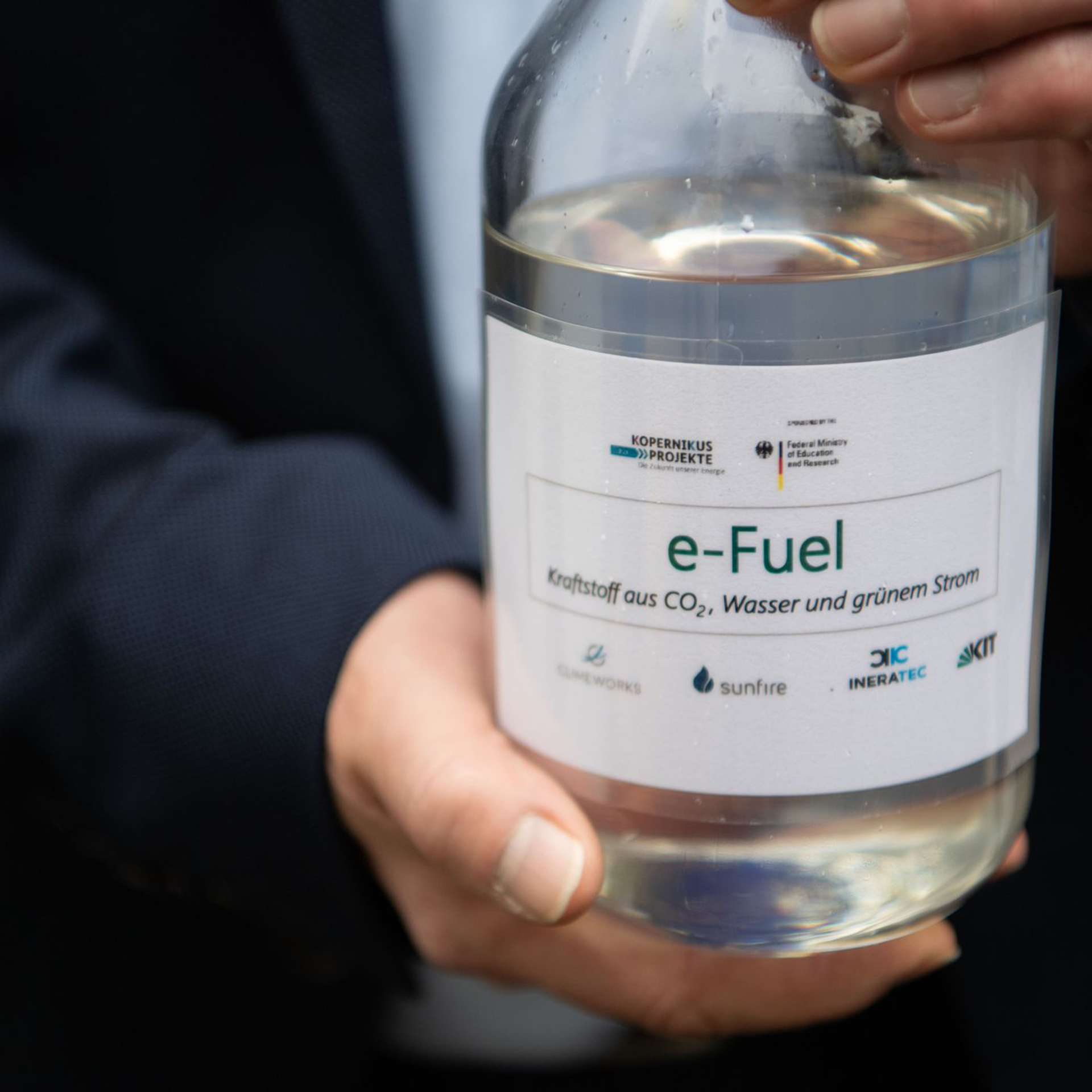
Synthetic fuels have emerged as an innovative solution to address the challenge of reducing carbon emissions and combating climate change. These fuels, produced from hydrogen, have a carbon-neutral footprint with respect to carbon dioxide (CO2) emissions. Their arrival presents a promising scenario, especially at a time when the European Parliament has proposed banning the sale of new combustion-engine vehicles from 2035.
The need to find alternatives to the traditional model of vehicles powered by internal combustion has raised several questions. However, synthetic fuels or e-fuels are presented as a viable option that would make it possible to maintain the sale and use of combustion engines even after the new law comes into effect.
Both synthetic petrol and synthetic diesel can power internal combustion engines with few or no modifications required. This means that current vehicles could use these fuels without problems, instead of traditional fuels.
On the other hand, there is the e-fuel, which is produced using carbon dioxide captured directly from the air, water and energy from renewable sources such as solar and wind. This approach is based on the idea of making sustainable use of available resources and further reducing carbon emissions.
Although synthetic fuels have the potential to reduce carbon emissions, their production presents some challenges. First, it is an expensive technology that requires large amounts of energy. This could significantly raise the final price of the fuel, making it a more costly option for consumers.
Sustainability comes at a very high price
According to estimates, the price of these new fuels will range between 2 and 3 euros per litre, which represents a 50% increase compared with the current price of petrol. A recent study by the European Federation for Transport and Environment suggests that the cost of a litre of synthetic petrol will reach 2.80 euros by 2030. This means that filling a 75-litre tank could cost around 210 euros in seven years.
The high production cost and the need to import these fuels from abroad are the main reasons behind their high price. These factors pose an additional challenge to their large-scale adoption.
Porsche, Mazda or Audi bet on synthetics
Despite the challenges, some countries and car manufacturers such as Germany, Italy, Porsche, Mazda, Lamborghini and Audi see synthetic fuels as a viable and lasting option. These companies consider the continuation of the development and marketing of internal combustion engines beyond 2035 to be important.
However, it is important to point out that currently few companies in the sector invest in research and development of combustion engines. Most brands are focused on the production and innovation of electric vehicles, while a more limited number are beginning to consider hydrogen an attractive option for the coming years.


 The seven finalists for the 2027 European Car of the Year (COTY) are exclusively electric
 Peugeot E-208 GTi: a battery-powered toy that revives the spirit of the 1980s sports cars
 New Lexus ES: luxury grows and goes electric
Deja un comentario