Nvidia gets to work on developing the technology needed for a robotaxi service
 Javier Cantagalli
27 October 2025
2 min.
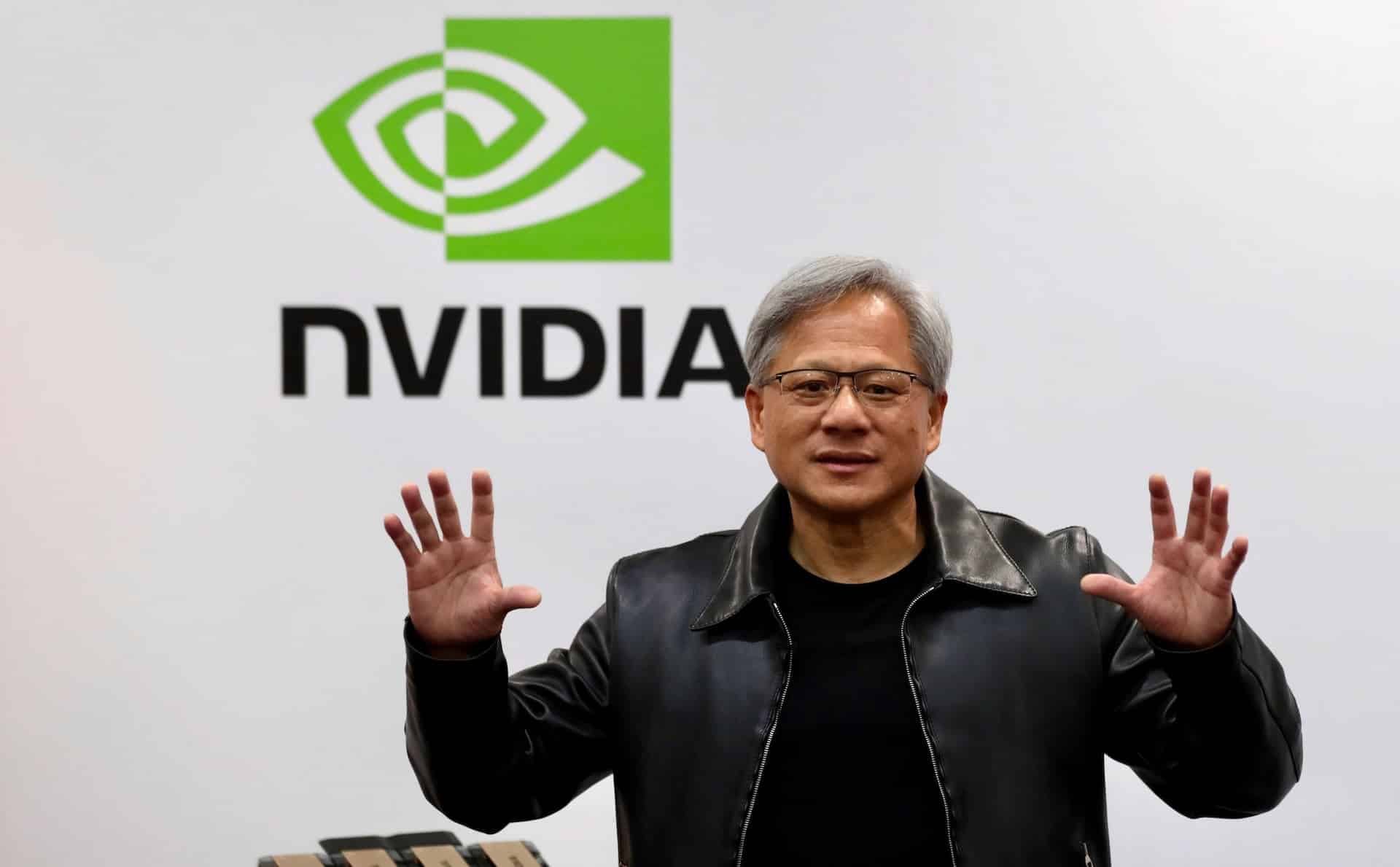
If there is one company in the tech sector with the financial resources and experience to break into the robotaxi market, it is without a doubt Nvidia.
Nvidia, the US semiconductor company with the largest market capitalisation in the world, is about to embark on a new path in its business, this time betting on autonomous driving aimed at driverless vehicles for passenger transport, commonly known as robotaxis.
For decades Nvidia has devoted itself to selling graphics cards and chips for computers, but now, with the rise of autonomous driving systems, the company believes a huge business opportunity opens up before it.
The American firm is today already an indispensable supplier of the hardware needed for the large data centres that support the current evolution of Artificial Intelligence, which in turn is indispensable for advanced autonomous driving systems. In addition, Nvidia currently offers other companies a comprehensive platform that includes hardware, software and simulation tools, with which carmakers and suppliers develop, train and deploy advanced driver assistance systems (ADAS) and fully autonomous vehicles.
Among Nvidia’s most notable customers in this area are well-known brands such as Mercedes-Benz, Volvo, Jaguar Land Rover, BYD, Rivian, Lucid or even Xiaomi.
Nvidia is going all out to lead the robotaxi sector
Some recent reports claim that Nvidia’s robotaxi will be based on its DRIVE AGX Thor system and will rely on an innovative single-stage architecture, underpinned by a continuous neural network, doing away with the multiple traditional modules. The American company has reportedly made known its interest in developing the technology needed to operate a robotaxi service during a general meeting with employees led by Ruchi Bhargava, a veteran executive of the firm.
According to Chinese media, based on information provided by a source inside the company, Nvidia’s goal with this new project goes beyond mere commercial expansion. Nvidia would be seeking to establish a reference “technical model” for robotaxis.
That said, the question everyone is asking now concerns the American company’s ultimate intentions. Does Nvidia intend to create its own robotaxi service to compete with rivals such as Waymo or Tesla? Or, on the contrary, is its aim only to have the technology needed to create a robotaxi service and then license it to other companies?
Either way, what is certain is that Nvidia is not bluffing, since the initial investment in this project could be around 3 billion dollars. No joke.


 Peugeot E-208 GTi: a battery-powered toy that revives the spirit of the 1980s sports cars
 New Lexus ES: luxury grows and goes electric
 First contact with the Dacia Sandero Hybrid 155: power and efficiency from €19,890
Deja un comentario