Polestar Polestar 3 Electric Cars
POLESTAR strengthens the reuse of batteries from the POLESTAR 2 and 3
 Victor Alós Yus @sepelaci
25 March 2026
3 min.
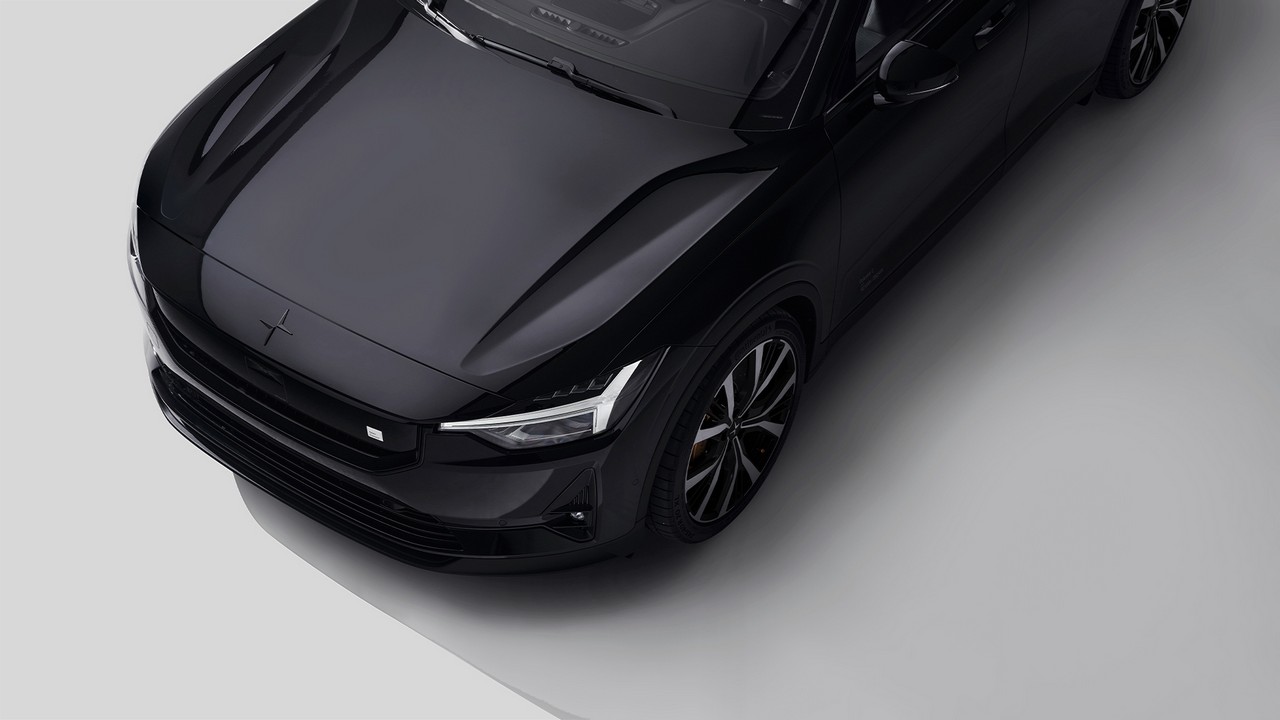
Polestar is preparing a battery recycling and reuse strategy for the Polestar 2 and Polestar 3 models, using recycled materials that extend their service life.
One of the major concerns of electric car manufacturers is what happens to the battery once it reaches the end of its useful life. For this reason, many resources are being devoted to preparing strategies to make use of these batteries when the time comes so that they remain useful for these models.
Polestar is also working on this aspect and has announced that the batteries of the Polestar 2 and 3 are manufactured with at least 50% recycled cobalt, which allows considerable cost savings and extends the useful life of this material, recovered from other batteries.
Longer lifespan and reuse of components
Polestar’s efforts focus on increasing the useful life of the batteries, using materials that allow them to perform their function without losing efficiency for as long as possible. To this end, Polestar collaborates with the battery centres of Volvo, which work on reconditioning high-voltage batteries. These reconditioned batteries are intended to replace those removed from these two models.
With this action, the reuse of batteries is strengthened, giving them a longer useful life and keeping them as efficient as they were originally. In addition to these actions, Polestar establishes recycling partnerships in the markets where its cars are sold. This ensures that the vehicles meet the quality the brand demands and that the service offered to buyers is as correct as possible.
Galería de fotos -
BATTERIES IN POLESTAR 2 AND 3
Polestar wants to manufacture electric vehicles that prioritise sustainability, not only in use but also during manufacturing and in the supply of spare parts such as batteries. Materials such as recycled aluminium and steel, carpets and inserts made from ECONYL® polyamide, and the use of PET waste to make other components are important for maintaining quality in the production of Polestar models.
The use of a modular design and mono-material solutions allows buyers to have a vehicle built more responsibly, without compromising performance or safety. Transparency is also important: since 2020, Polestar has published life cycle analyses for each model and reports CO2 emissions across its entire value chain.
The Polestar 2 incorporates cobalt traced through blockchain technology, achieving a new standard in supply chain traceability. The brand applies other solutions, such as those related to smart charging, and has managed to reduce relative CO2 emissions per vehicle by 25% since 2020, demonstrating Polestar’s commitment to these actions aimed at improving the sustainability of its operations.


 Peugeot E-208 GTi: a battery-powered toy that revives the spirit of the 1980s sports cars
 New Lexus ES: luxury grows and goes electric
 First contact with the Dacia Sandero Hybrid 155: power and efficiency from €19,890
Deja un comentario