KIA Sorento Hybrid Cars Family Review SUV
Review of the Peugeot 5008 2026: why the French seven-seat SUV still stands out for design and interior space
 Iván Navarro
10 November 2026
4 min.
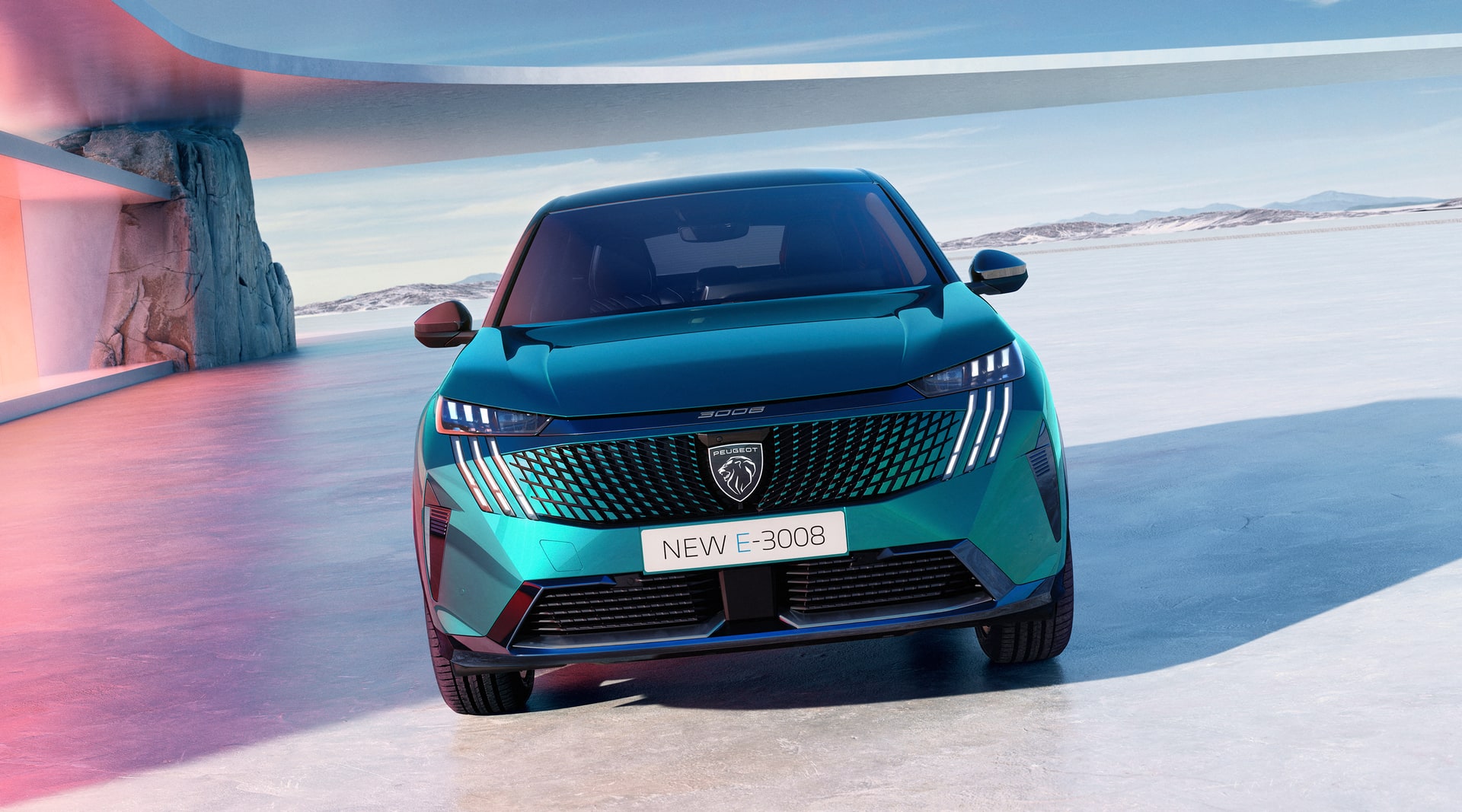
There are family cars that do the job. And there are family cars that, on top of that, leave a lot to be desired. The Peugeot 5008 2026 belongs to the second group, and it does so without giving up what really matters in a seven-seat SUV: useful space, contained consumption and a styling proposal that doesn’t apologise for being practical.
Exterior design: the feline language is consolidated
The 5008’s silhouette has left behind any complex about being a disguised MPV. Taut lines, luminous front claws and a rear end that streamlines the rear volume without hiding that seven real seats fit inside. It is a design that works in the school car park and also at a restaurant entrance — something not every family SUV manages without looking generic.
Panoramic i-Cockpit: the cabin that redefines the on-board experience
Peugeot has taken its i-Cockpit a step further with a curved screen that wraps around the driver without intruding on the passenger’s space. The feeling on sitting down is different from any rival in the segment: the small steering wheel, the raised instrumentation, the physical controls that survive where others have sacrificed everything to the touchscreen. It takes a couple of days to get used to. Afterwards, going back to a conventional dashboard is hard.
Interior space and third row: do seven seats really fit?
This is the question that really matters in this segment. And the answer, in the case of the 5008, is more honest than in many of its competitors: the third row accommodates two adults on hour-long journeys without extreme discomfort, something that in other seven-seat SUVs remains a brochure promise. Access is reasonable thanks to the sliding second row, and the boot, even with all seven seats in use, keeps a usable space for the weekly shop. It is not a van in its dimensions, that also has to be said, but for families of four or five who need the seventh seat occasionally, it more than does the job.
Plug-in hybrid powertrain: efficiency and real electric range
The PHEV variant of the 5008 has a combined output of approximately 166 kW (225 CV), with a 17.8 kWh usable battery (≈21 kWh gross) that allows around 91 km in electric mode — enough to cover the daily commute without touching the tank. Homologated consumption sits at around 2.7–2.9 l/100 km, with CO₂ emissions of 61–65 g/km that give it access to the reduced-emissions label. Top speed is around 220 km/h.
| Model | Power (kW) | Power (CV) | Electric range | Consumption | Fuel |
|---|---|---|---|---|---|
| Peugeot 5008 Plug-in 225 Allure 7 seats | 166 kW | 225 CV | 91 km | 2.7–2.9 l/100 km | PHEV |
Price of the Peugeot 5008 2026: from 46,680 euros
The indicative RRP of the plug-in hybrid version starts at around 46,680 euros. As always, it is worth remembering that this is a manufacturer’s recommended price, without dealer discounts or one-off campaigns, and excluding public aid such as the Plan Auto+, whose current amount should be checked on the official website before closing any deal.
Against its rivals in the seven-seat SUV segment
Hyundai Santa Fe
The Santa Fe opts for a squarer design and equally competitive interior space, although its cabin proposal is more conventional than the French one. We have already compared the Hyundai Santa Fe in detail against the KIA Sorento for those looking for Korean alternatives in this same segment.
Kia Sorento
The Sorento shares a platform philosophy with the Santa Fe and offers a third row of similar dimensions, with a focus on ride comfort rather than styling avant-garde.
Škoda Kodiaq
The Kodiaq remains the most “plainly practical” option in the group, with a generous boot and a functional approach that prioritises space over any risky design gesture.
Volkswagen Tayron
The Tayron completes the German-Czech reference quartet, with a solid technological proposition but less expressive than the 5008’s Panoramic i-Cockpit.
| Model | Seats | Fuel | Interior space score (1–10) | Design score (1–10) |
|---|---|---|---|---|
| Peugeot 5008 | 7 | PHEV | 8 | 9 |
| Hyundai Santa Fe | 7 | Hybrid | 8.5 | 7 |
| Kia Sorento | 7 | Hybrid | 8 | 7 |
| Škoda Kodiaq | 7 | Hybrid/Diesel | 8.5 | 6.5 |
| Volkswagen Tayron | 7 | Hybrid/PHEV | 7.5 | 7 |
FAQ: frequently asked questions about the Peugeot 5008 2026
How much does the Peugeot 5008 2026 cost in its plug-in hybrid version?
The indicative RRP starts at around 46,680 euros, excluding dealer discounts and current public aid.
How many kilometres in electric mode does the Peugeot 5008 PHEV offer?
Up to 91 km of homologated electric range, thanks to its 17.8 kWh usable battery.
Do seven people really fit in the Peugeot 5008?
Yes, although the third row is designed for adults on moderate journeys or for children on a permanent basis, as is the case with most SUVs of this size.
Who are the direct rivals of the Peugeot 5008 in Spain?
Mainly the Hyundai Santa Fe, the Kia Sorento, the Škoda Kodiaq and the Volkswagen Tayron, all of them sold in seven-seat configurations.
Technical specifications of this car
 Kia offers an electric range of 10 models, 50 versions and 400 possible combinations
 The seven finalists for the 2027 European Car of the Year (COTY) are exclusively electric
 Peugeot E-208 GTi: a battery-powered toy that revives the spirit of the 1980s sports cars
Deja un comentario