Hyundai IONIQ Sedans Electric Cars
The Hyundai Ioniq has been very successful... and that is why it needs more batteries
 Victor Alós Yus @sepelaci
20 July 2017
2 min.
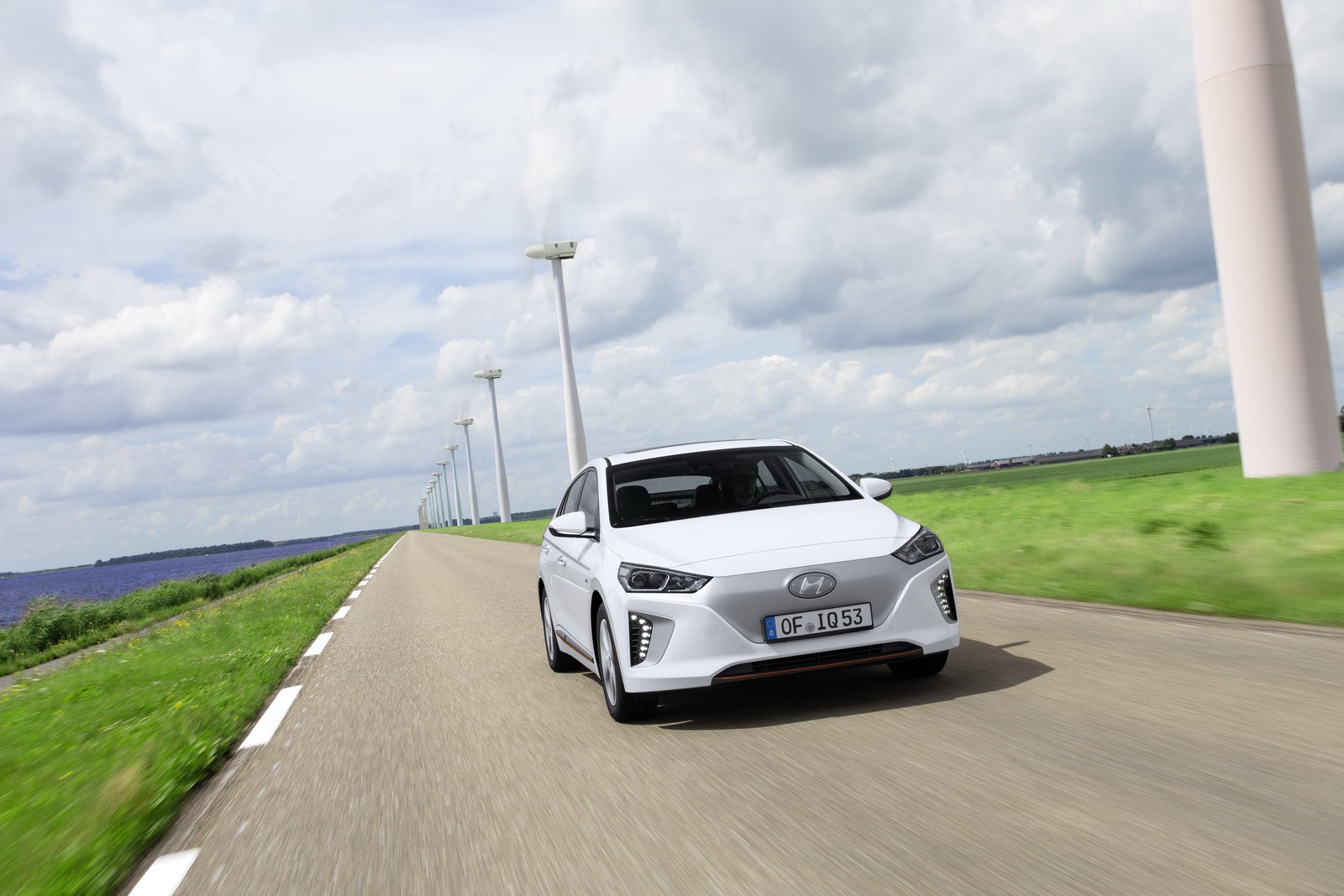
The success of the Hyundai EV has meant that the battery supplier for this model cannot provide enough batteries to increase production
Hyundai wanted to bet strongly on the Hyundai Ioniq, a car that comes in three variants to suit the tastes of potential buyers of hybrid and electric cars. The Ioniq has been marketed with a hybrid version, a plug-in hybrid version and a fully electric one. The bet has been a huge success, more than expected, and now Hyundai finds that orders for this model, in its three variants, have exceeded all expectations and it needs more batteries to supply the model.
Specifically, it is the electric version that is suffering this shortage of batteries, according to Inside EVs. The success of the Ioniq EV has been, according to the company, more than double what was expected, and although it had ordered 7,000 batteries from LG Chem, this has not been enough to meet demand for the model. To alleviate this shortage of batteries, the South Korean company has placed a new order, which the supplier must take on so that everything is in order and buyers of the Ioniq EV can soon have their cars.
The situation seems to stem from the increase in purchase incentives for electric vehicles offered by some countries, including Spain with the MOVEA Plan. So, with easier purchasing conditions, there are more people, institutions and companies interested in these zero-emission vehicles. The problem is that LG Chem manufactures batteries for several customers with electric cars in their range, so they are limited when it comes to increasing the number of batteries delivered to their customers.
Since its launch, the Ioniq EV has been the best-selling electric car in South Korea, with waiting lists that already reach 5 months, so it can be called a resounding sales success. The initial production planned by Hyundai was 1,200 units, although after the success it was increased to 1,800. That said, the shortage of batteries has made it difficult to meet the planned deadlines.
The Hyundai Ioniq EV uses a 28 kW lithium-ion batteryh that powers an electric motor delivering the equivalent of 118 CV and a maximum torque of 295 Nm. The brand claims it can cover a distance of 250 km on a single charge and reach a top speed of 165 km/h.


 Kia offers an electric range of 10 models, 50 versions and 400 possible combinations
 The seven finalists for the 2027 European Car of the Year (COTY) are exclusively electric
 Peugeot E-208 GTi: a battery-powered toy that revives the spirit of the 1980s sports cars
Deja un comentario