The maintenance of an electric car: fewer breakdowns, but more specialised… and expensive
 Victor Alós Yus @sepelaci
28 May 2018
4 min.
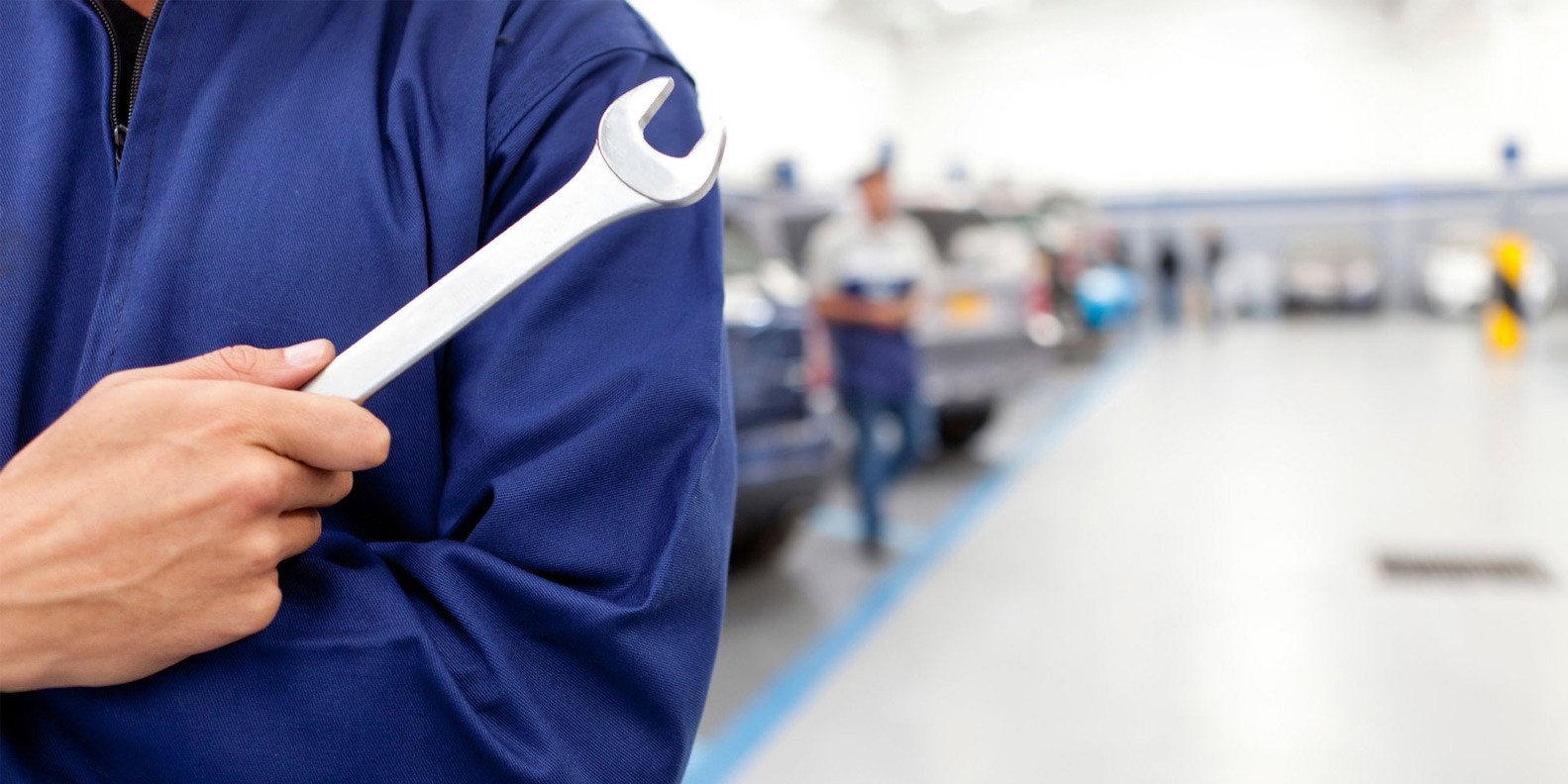
Workshops will have to adapt to the new needs of electric cars and change their ways of working to the technology of electric cars
When buying an electric car we find several advantages. It runs on electricity and, today, it is cheaper than fossil fuels. Moreover, this makes it a much more efficient vehicle that does not produce polluting exhaust emissions. And yes, the absence of traditional mechanics also means that breakdowns are greatly reduced and that it does not need to visit the workshop so often.
To begin with, an electric car does not use components that are common in internal combustion engine cars. For example, we forget about the clutch, spark plugs, glow plugs, exhaust pipes, or a timing belt that has to be replaced. These cars have other components which, yes, will also wear out when their time comes and will have to go through the scheduled maintenance service, but all of this is reduced and, with it, workshop bills will fall. Or will they?
Fewer breakdowns, but more expensive to repair
A workshop visit may well be rarer in the case of electric cars, but each breakdown will cost more. Specialisation will be very high in workshops and, to work with these new electric traction systems, mechanics will have to keep up to date with all the innovations that are emerging. The lack of a standard for electric cars is another handicap mechanics will face when electric cars become the norm rather than the exception they are today.
In addition, there is something that is often overlooked and is important to remember: electricity is a silent, invisible and very dangerous energy source. It is stored in the car by the battery, but it travels throughout the vehicle, powering the electric motors and the car’s systems, so it poses a danger in the event of a crash. Safety will be very important and therefore workshop equipment will have to change and adapt to the new risks presented by electric cars.
The battery, a problem for maintenance
The battery itself is also a problem when it comes to maintenance. At present, this crucial component of the electric car lasts about five years. This means it will have to be replaced at the end of its useful life, which represents an additional cost. Currently, cars are sold in two options: with the battery owned outright and with the battery leased.
Owners of electric vehicles will have to choose whether they want the battery owned outright or leased. In the first case, the owner will have to buy a new battery, assuming the cost and all the complications the replacement entails. In the second, the manufacturer will take charge of the battery’s maintenance throughout its useful life and will replace it when necessary. For this, one must bear in mind that a monthly fee is paid, added to the price of the car. The car usually costs somewhat less, but the monthly fee balances the payment.
The advantage of the second model, the leasing option, is that the battery will be from the same brand as the car, so compatibility is guaranteed. It is also true that once electric mobility becomes popular, there will be a greater supply of “white-label” batteries for all models, which could greatly reduce the cost.
The reduction in mechanical breakdowns and the maintenance carried out by specialised workshops could bring about a change in the car repair market, as workshops may see their turnover fall. That said, a great deal of time is still needed before this happens, and we know there are other alternative fuels that are growing strongly, such as Compressed Natural Gas or Liquefied Petroleum Gases, among other options. The future is uncertain, but always focused on improving vehicles and making them more efficient.


 The seven finalists for the 2027 European Car of the Year (COTY) are exclusively electric
 Peugeot E-208 GTi: a battery-powered toy that revives the spirit of the 1980s sports cars
 New Lexus ES: luxury grows and goes electric
Deja un comentario