Cayenne Porsche Electric Cars SUV
The Porsche Cayenne, put to the test in extreme conditions. Will it be able to handle it?
 Victor Alós Yus @sepelaci
16 September 2025
2 min.
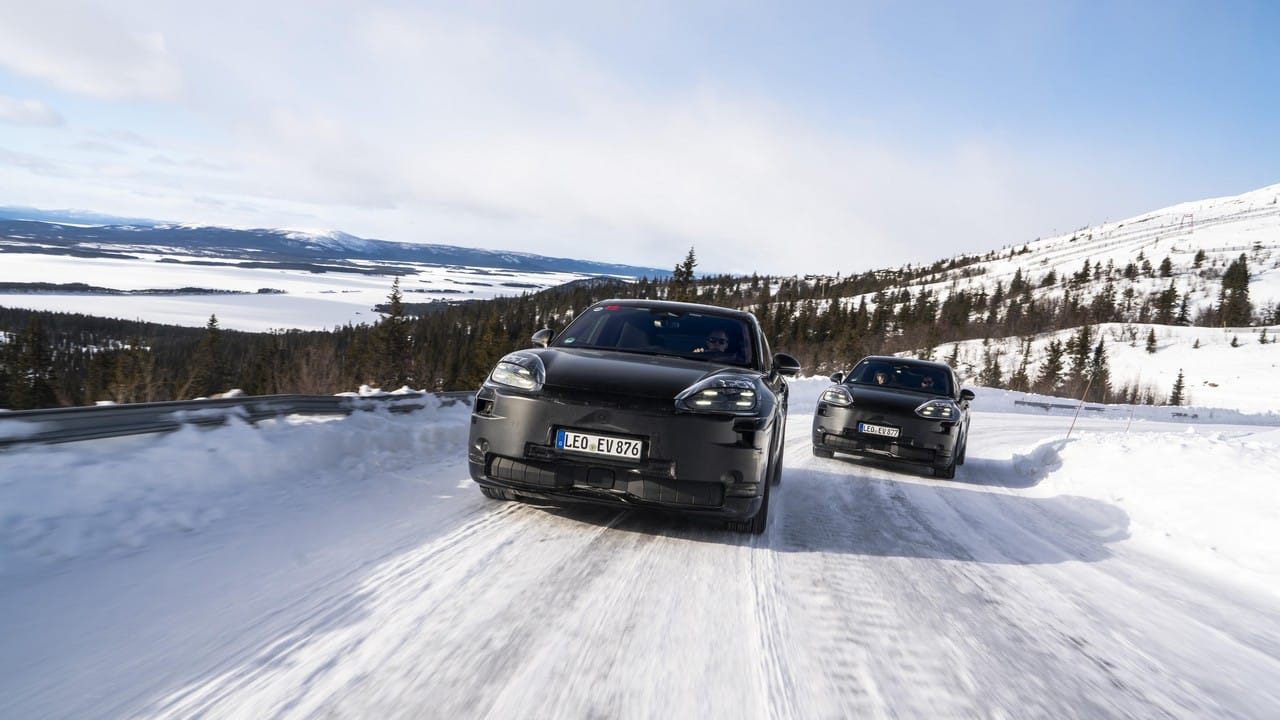
The electric Porsche Cayenne is undergoing very rigorous testing using a digital twin and being made to “suffer” the way a test car would.
The testing of cars that are about to be launched on the market has changed a great deal over the last few years. The arrival of artificial intelligence and digital models has made it different to test the endurance and characteristics of each model. So it is possible to check how each vehicle behaves virtually before subjecting it to tests in real-world environments.
In the case of Porsche, all the information gathered over its decades of history has been used to create a virtual replica of the Porsche Cayenne electric. This virtual model has then been pushed to the extremes it would encounter in the real world. Or that it could encounter, because it is unlikely to face everything it will be subjected to during these tests.
And with this model, the approach has been different. It was decided to eliminate tests with test vehicles and to use a virtual replica that behaves exactly as a test car would. This has saved a great deal of time and even a considerable amount of money, since the car is entirely digital.
Galería de fotos -
PORSCHE CAYENNE PRUEBAS
The computing power that Porsche uses with this digital car makes it possible to correct and adjust elements so that everything works well when the data is transferred to a real car. This digital twin operates as if it were driving under normal conditions, but it can also face extreme conditions: temperatures well above the usual ones, but also well below what it might experience, very rough terrain, and even ice and wet surfaces.
Virtual reality allows this virtual model to be driven and the physical elements to be adapted according to the results obtained. And then, of course, testing moves to the real world, thanks to a new test bench designed to reproduce all these conditions in a simulated environment.
With these tests it is possible to monitor the behaviour of the car in terms of resistance to temperature, how the battery responds in each circumstance, and everything relating to the car’s operation. And once all of this has been tested, the time comes to put the production Cayenne to the test in real-world environments.
Although this last step still remains, all the adjustments made with the digital twin and with the physical car on the test bench mean that this is almost a formality to have the car ready to be put on sale.

 Peugeot E-208 GTi: a battery-powered toy that revives the spirit of the 1980s sports cars
 New Lexus ES: luxury grows and goes electric
 First contact with the Dacia Sandero Hybrid 155: power and efficiency from €19,890
Deja un comentario