Volkswagen confirms the launch of the new MEB+ platform next year with the ID.2
 Javier Cantagalli
16 May 2025
2 min.
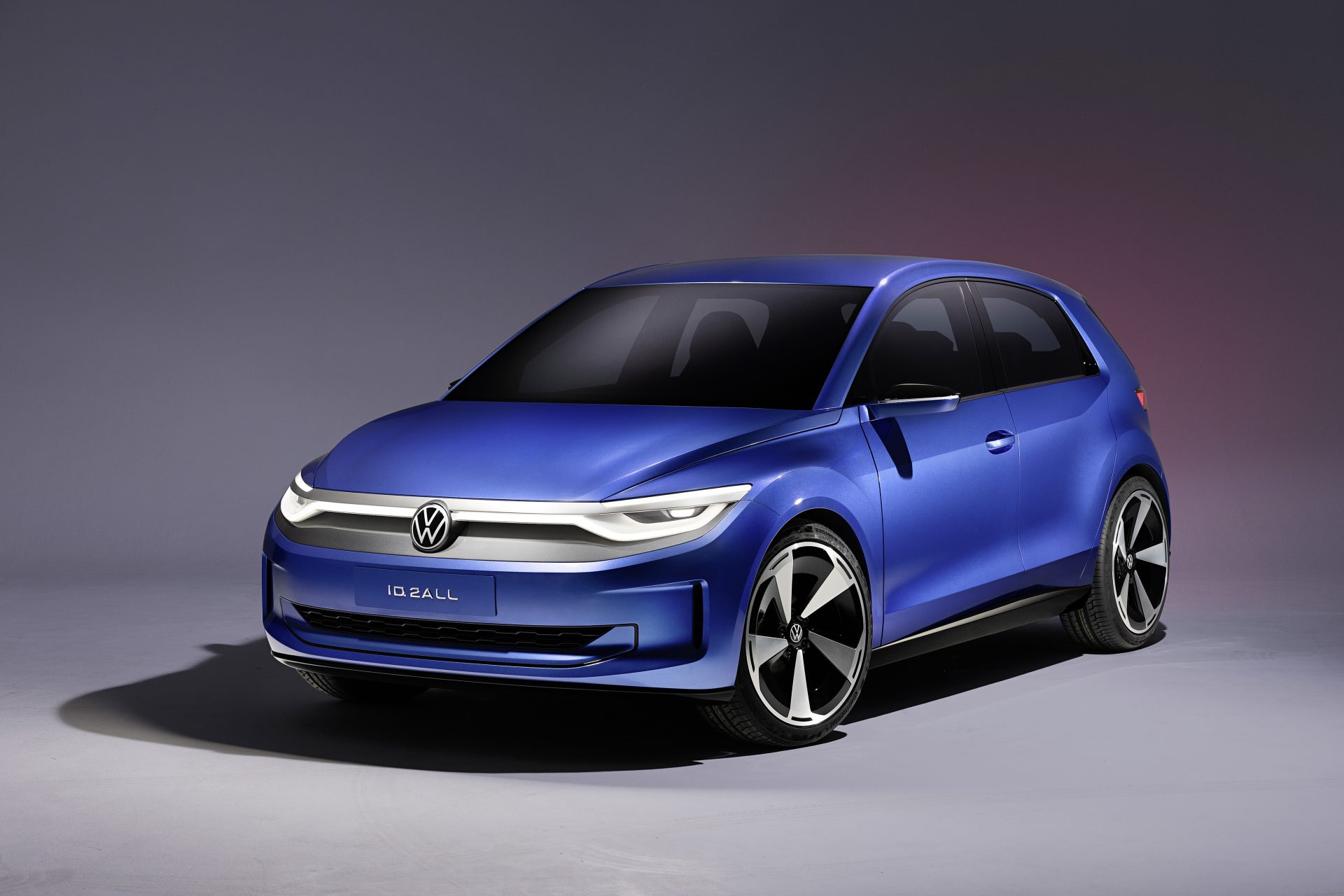
The implementation of the new MEB+ platform will represent the most significant leap in the German manufacturer’s electric vehicle range since its inception.
The current CEO of Volkswagen, Thomas Schäfer, has officially confirmed the development of an evolution of the current MEB platform used by all of the brand’s electric models. The new MEB+ platform will debut in 2026, coinciding with the market launch of the ID.2 city electric car. With this new platform, the German manufacturer will not only update the new electric models as they reach the market, but will also achieve a significant reduction in production costs.
Following the market launch of the ID.2 next year, Volkswagen plans to progressively migrate all of its electric models, including the ID.3, ID.4 and ID.7, to the MEB+ platform. This change will be accompanied by a styling refresh across the entire ID. family, giving them a fresher and more modern look.
The introduction of the new MEB+ platform will also allow Volkswagen to start fitting lithium iron phosphate (LFP) battery packs in its electric models, significantly reducing production costs, not only because these types of cells are much more affordable, but also due to the implementation of cell-to-pack technology.
A change of direction
LFP battery technology will therefore gradually replace the current nickel, manganese and cobalt (NMC) cell-based technology in Volkswagen’s electric models. According to the brand’s head, except in high-performance models, this new battery technology is becoming predominant in the electric car sector, as it reduces costs while maintaining competitive range thanks to advances made in this area in recent years.
The LFP battery packs for the new Volkswagen models based on the MEB+ platform will be produced at the Volkswagen Group plant located in the German town of Salzgitter. This plant will also continue producing NMC battery packs for some time, although on a smaller scale until their gradual final withdrawal.
Volkswagen’s future plans are, however, even more ambitious. The MEB+ platform will be merely an interim solution to keep Volkswagen’s electric model offering competitive until the arrival of the SSP platform, a multi-billion-euro project that will expand the capabilities of MEB, but whose implementation has been delayed until at least 2028.

 Peugeot E-208 GTi: a battery-powered toy that revives the spirit of the 1980s sports cars
 New Lexus ES: luxury grows and goes electric
 First contact with the Dacia Sandero Hybrid 155: power and efficiency from €19,890
Deja un comentario