Citroen Jumper Electric Cars Furgonetas
Citroën begins marketing a new variant of its ë-Jumper electric van
 Javier Cantagalli
10 June 2025
2 min.
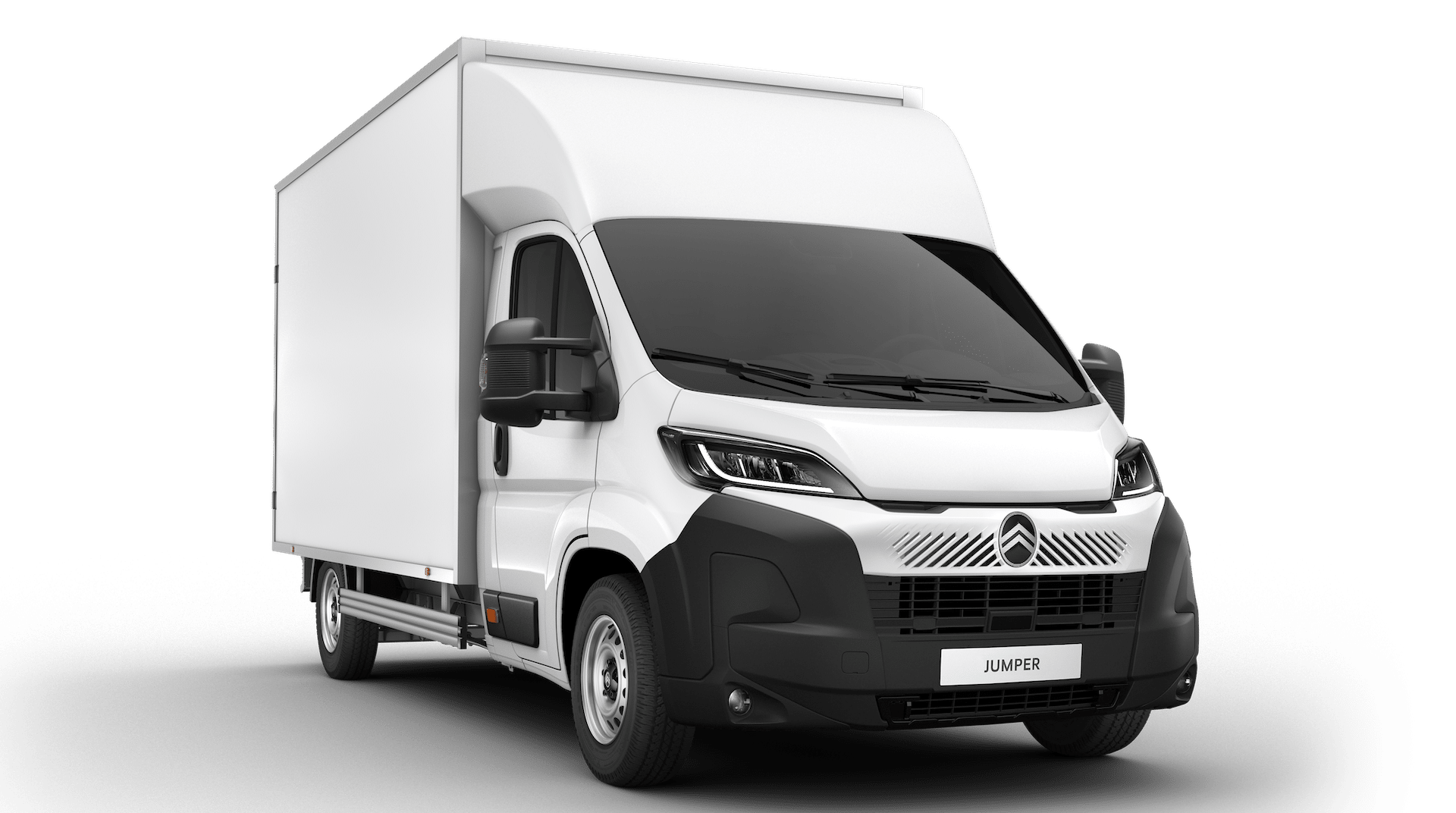
The ë-Jumper is positioned as a robust and technologically advanced option for professionals who need an electric van that is versatile, efficient and equipped to handle the challenges of everyday work.
To better meet the particular needs of each of its customers, the French manufacturer has just added to its product range a new box-body variant of its ë-Jumper electric van. This new variant joins the existing configurations of closed van, platform truck, tipper and chassis cab.
It was in October 2023 that Citroën launched the current generation of the ë-Jumper with significant improvements to its technical specifications. The electric motor’s power was drastically increased from 90 to 205 kW, and it is also paired with a 110 kWh battery pack, thanks to which its range grows to 366 km under the WLTP homologation cycle for the light van version, and can even reach 420 km with other configurations.
Available in two different sizes, L3 with 18.5 cubic metres and L4 with 20.5 cubic metres of capacity, and with the option of rear doors or a tailgate. According to the manufacturer, the new Citroën ë-Jumper is designed to meet the demands of professionals, combining functionality with advanced technology. With a wheelbase of 4,035 mm, the vehicle guarantees stability and sufficient space for a wide range of applications.
With everything a professional needs
As for its equipment, the integration of a 7-inch touchscreen sound system compatible with DAB radio, Apple CarPlay and Android Auto stands out. It also includes automatic air conditioning, heated and electronically adjustable exterior mirrors, halogen headlights with daytime running lights, and storage compartments in the interior.
In terms of safety, the vehicle features several driver assistance systems, electronic stability control (ESP), electric power steering, electric parking brake, lane change alert, emergency braking, hill start assist, blind spot monitoring, traffic sign recognition and a fatigue alert system, all to ensure a safer working environment.
The box-body version is already available to order, with prices in Germany starting at 65,200 euros excluding VAT. For comparison, the standard van has a base price of 54 thousand euros, the single-cab chassis is available from 51,300 euros, and the single-cab platform variant costs a minimum of 54,300 euros, excluding VAT in all cases.


 Peugeot E-208 GTi: a battery-powered toy that revives the spirit of the 1980s sports cars
 New Lexus ES: luxury grows and goes electric
 First contact with the Dacia Sandero Hybrid 155: power and efficiency from €19,890
Deja un comentario