Citroën C4 1.6 HDi 112 CV CMP, road test (exterior design, interior and finishes)
 Diego G. Moreira
17 December 2011
5 min.
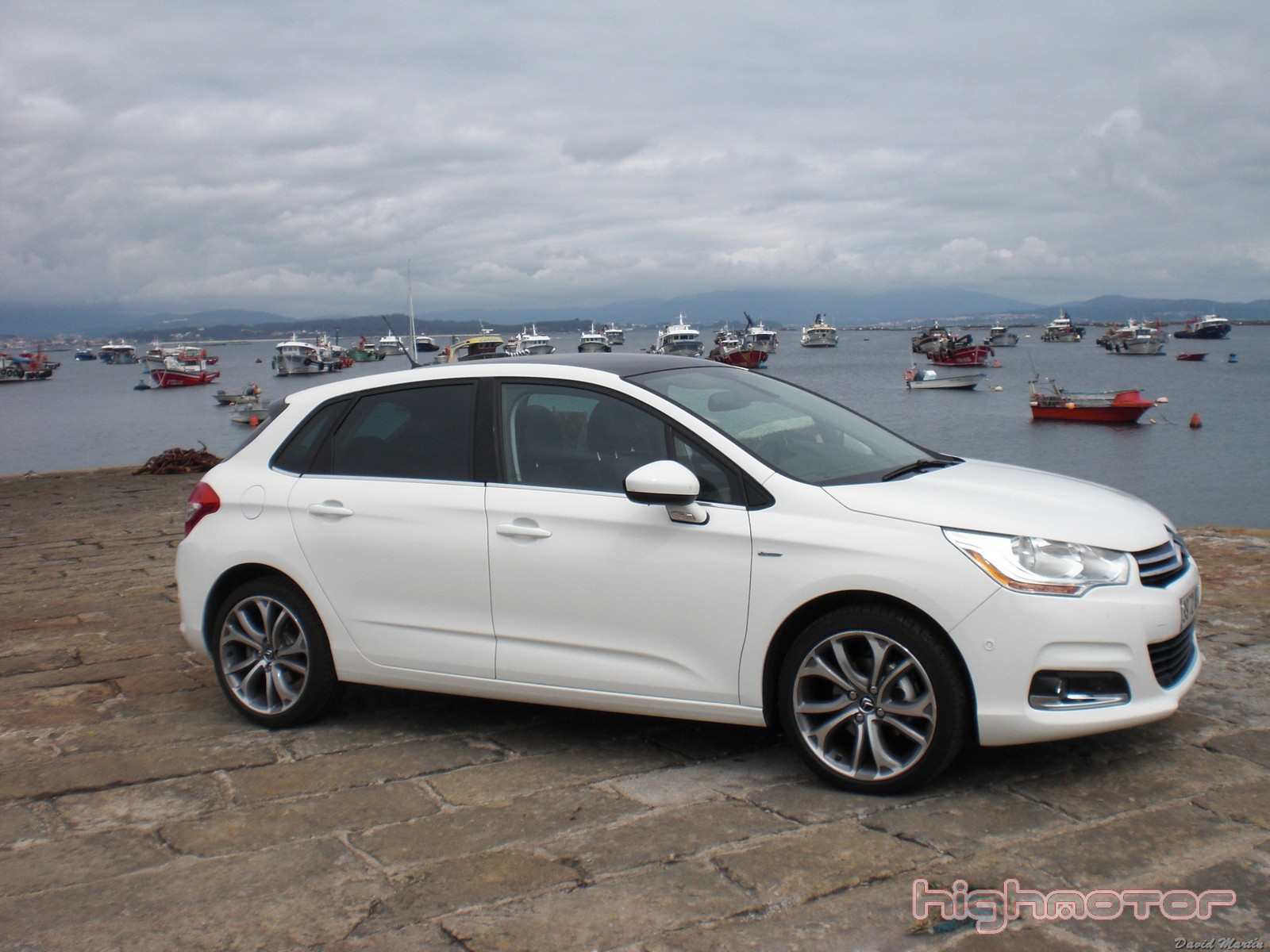
Road test of the Citroën C4 1.6 HDi 112 CV CMP e-HDi. In this part of the test we analyse its exterior design, interior design including the boot, interior space and the quality of the materials.
Yesterday we introduced you to the new vehicle we have tested for you: the Citroën C4 diesel, more precisely the 1.6 HDi 112 CV paired with a six-speed Comfort Matic (CMP) semi-automatic gearbox. The version we tested can be considered eco-friendly; it carries the e-HDi badge and, among other systems, features a start&stop system to reduce consumption.
In the first part you will find all the details about the engine, its performance, and also its handling and consumption. In this second part we now turn to the exterior design (which has changed radically compared with the previous generation) and the interior (which now enjoys higher quality).
Exterior design
A radical change towards a more conservative design, incorporating some of the design language already present on other models from the double-chevron brand. Compared with the previous generation, it has a completely new front end that includes elements, such as the redesigned central grille, that are also found on other models from the French firm.
The headlights feature bulb daytime running lights, and optionally you can have bi-xenon headlights. Our unit came with halogen headlights as standard, which provided correct lighting at all times and featured cornering lights that activate with the steering wheel.
At the rear, it again breaks with the styling of the previous generation and opts for a more measured and conservative design language, while the design lines and more pronounced bumpers stand out. One detail present on all C4s is that the rear spoiler is two-tone: the part closest to the bodywork is the same colour as the body, but the final section is always black.
One element that stands out is the panoramic glass roof, which in our white model made for an eye-catching combination and gave the interior plenty of light. Finally, there are the wheels: quite striking alloys that convey a sense of modernity and even add a sporty touch, while the tyres were Michelin Pilot Sport 3 (curious on a car with an eco orientation) in 225/45 R18 sizes, more typical of a sports car than a compact.
Precisely because of the size of the wheel fitted, I think fuel consumption could be reduced a little further by using the standard 16-inch wheels with low rolling resistance tyres.
Interior design, finishes and quality of materials
Leaving the exterior aside, let us now look at what has changed inside, that is, everything. The dashboard has been completely redesigned, from the controls to the materials used, with a higher-quality result and a more organised, more traditional design, and a conventional steering wheel (saying goodbye to the curious fixed-centre steering wheel used by the earlier C4s).
The rearrangement of the controls on the centre console stands out, with everything tidier and more accessible. The instrumentation has also been changed, clearly inspired by that of the Citroën C5, and you can even change the instrument cluster colour. The climate control is identical to that used in the French saloon, in a more accessible position than before, while the steering wheel is now conventional and integrates the audio controls, rather than using external auxiliary controls of doubtful quality (something common in PSA models).
On the other side of the ledger are the gear-shift paddles, made of a plastic material that clashed with the rest of the cabin.
Regarding interior space, on the one hand there are the front seats, which are comfortable and offer good lateral support (seats in Exclusive trim with cloth-and-leather upholstery), with massage function and electric lumbar support. There is enough headroom in them; even if you are close to 1.80 metres you will be comfortable, and there is also sufficient legroom.
In the rear seats three adults can travel without problems, since the seats are quite comfortable and even the centre seat is relatively comfortable. Headroom is sufficient for a person of average height, and legroom is adequate.
Boot and storage
At this point of the test we always analyse the storage compartments and glovebox that the cars we test offer, something important because sometimes we want to leave our phone or keys somewhere and have nowhere to put them. This is not the case with the C4, which comes close to the practicality of an MPV in this respect: it has a generous main glovebox, large door bins and then storage in the centre tunnel.
As for the boot, it offers a capacity of 408 litres, a correct figure and closer to some three-box saloons than to a compact. Moreover, the cargo space is quite usable thanks to its regular shapes.
In the third part of the test we will focus on the equipment of the car, the prices and our overall assessment of the model, a car that has genuinely represented a qualitative leap in terms of quality, equipment and engines.
Photos | Diego G. Moreira


 The seven finalists for the 2027 European Car of the Year (COTY) are exclusively electric
 Peugeot E-208 GTi: a battery-powered toy that revives the spirit of the 1980s sports cars
 New Lexus ES: luxury grows and goes electric
Deja un comentario