How to properly check fluid levels (engine oil, coolant, brake fluid and power steering fluid)
 Victor Alós Yus @sepelaci
21 August 2020
4 min.
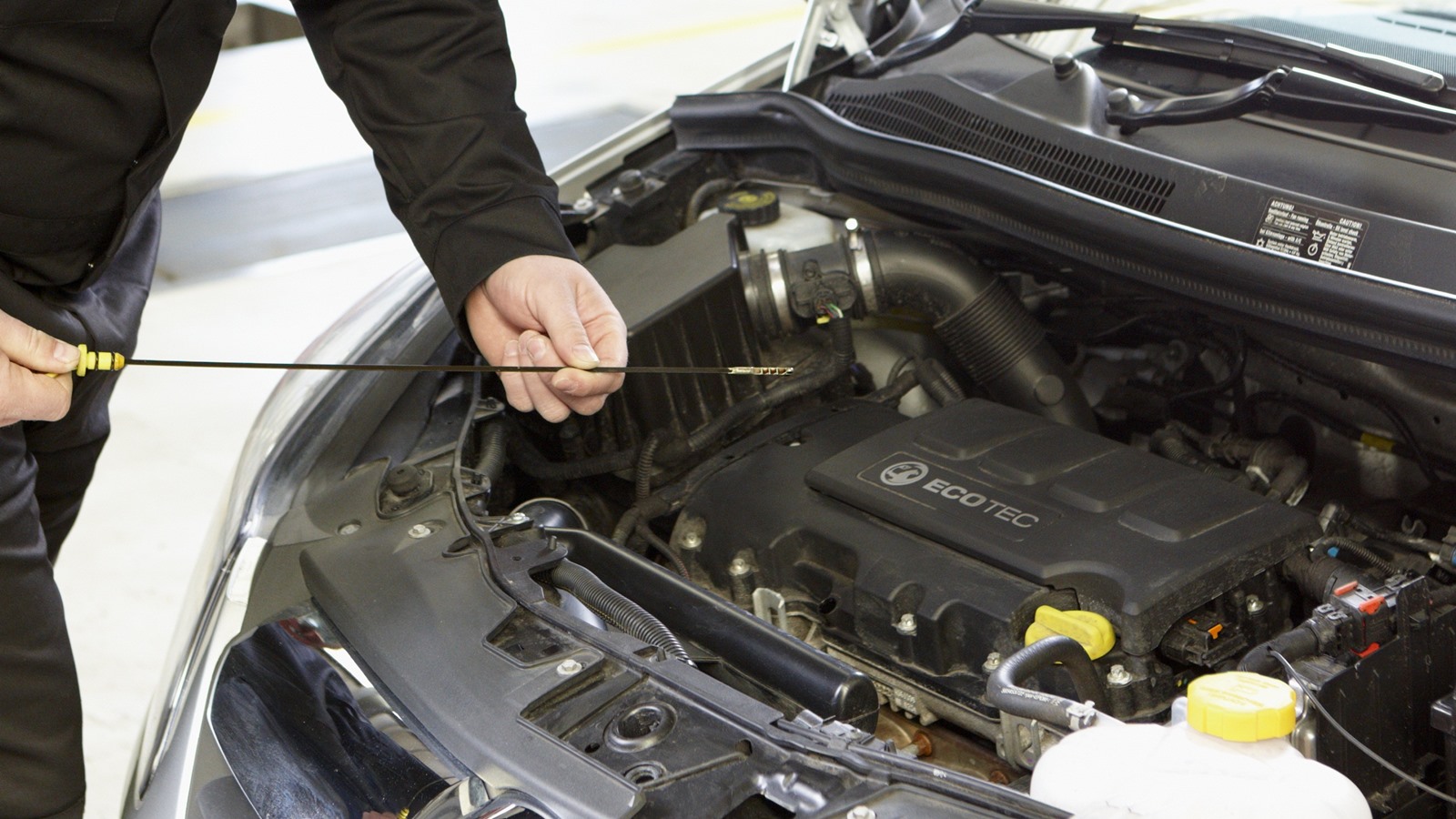
For a car to run properly, you have to take into account all the elements that allow it to work well, such as fluids and oil.
Checking the fluid levels that keep our car running properly is essential for everything to work well while the vehicle is in use. Yet despite this, we tend to neglect it quite a lot, and this leads to several problems that can cause serious failures in the engine and in various other parts of the car. So here is a brief guide on how to carry out these checks and keep all the levels in order.
Engine oil level
The engine oil keeps the engine well lubricated so that all the moving parts move correctly and no excessive wear occurs. The engine needs oil to move all those parts and keep everything running as it should. A lack of oil, or simply a low level, can subject these parts to more pressure than usual and they can break easily.
There are several types of oil, and you need to know which type of oil your car’s engine uses. This information is set out in the car’s owner’s manual, so it is not hard to find. The mechanic at your trusted workshop can also tell you which type of oil the engine requires, so that you can buy it anywhere if necessary. Using a different oil can cause serious problems with the engine’s operation.
To check whether the engine has the right oil level, open the bonnet and look at the engine. The oil dipstick is on one side of the engine and has a white or yellow plastic handle at the top. Make sure the engine is cold and the car is level, that is, not parked on a slope.
Pull out the dipstick and check that the oil mark is between the lines marking the minimum and the maximum. Wipe the dipstick with paper and reinsert it fully. Then remove it again and check that the oil is at the right level.
If it is below the minimum or above the maximum, this can cause serious damage to the engine. You should also check the condition of the oil. If it is very dark and smells burnt, it should be changed even if the level is correct. The oil needs to be completely clean for the engine to run correctly.
To add oil, unscrew the cap located on the top of the engine and pour in the new oil. Keep an eye on the level so that it does not go above the maximum mark, as this is also harmful to the engine.
Brake fluid level
The brake fluid is kept in a small reservoir next to the engine. You can check the level using the minimum and maximum marks printed on the side of the reservoir. If it is within the limits, there is no problem. In any case, brake fluid does not usually drop noticeably unless there is a problem in the circuit. Even so, it is advisable to change the brake fluid every 30,000 or 40,000 kilometres to always get the maximum performance from the brakes.
Power steering fluid level
Hydraulic power steering works thanks to the power steering fluid. This is also kept in a reservoir next to the engine, although its location may vary depending on the model. As with the previous one, it has the minimum and maximum limits marked, so it is easy to tell whether it needs topping up. Power steering fluid should be changed every 100,000 kilometres to keep all its properties intact.
Coolant
The coolant keeps the engine at a constant temperature, working together with air cooling. There are several types of coolant, so you need to know which type the engine uses to avoid damage. Normally there is no need to add more, so if a drop in level is detected, you should suspect a possible leak in the circuit. In that case, it is best to go to a workshop, where the mechanic can deal with the problem more effectively.


 Peugeot E-208 GTi: a battery-powered toy that revives the spirit of the 1980s sports cars
 New Lexus ES: luxury grows and goes electric
 First contact with the Dacia Sandero Hybrid 155: power and efficiency from €19,890
Deja un comentario