Huawei is using 5G technology to develop radars for autonomous cars
 Mónica Redondo @MonicaRedondoD
24 October 2019
3 min.
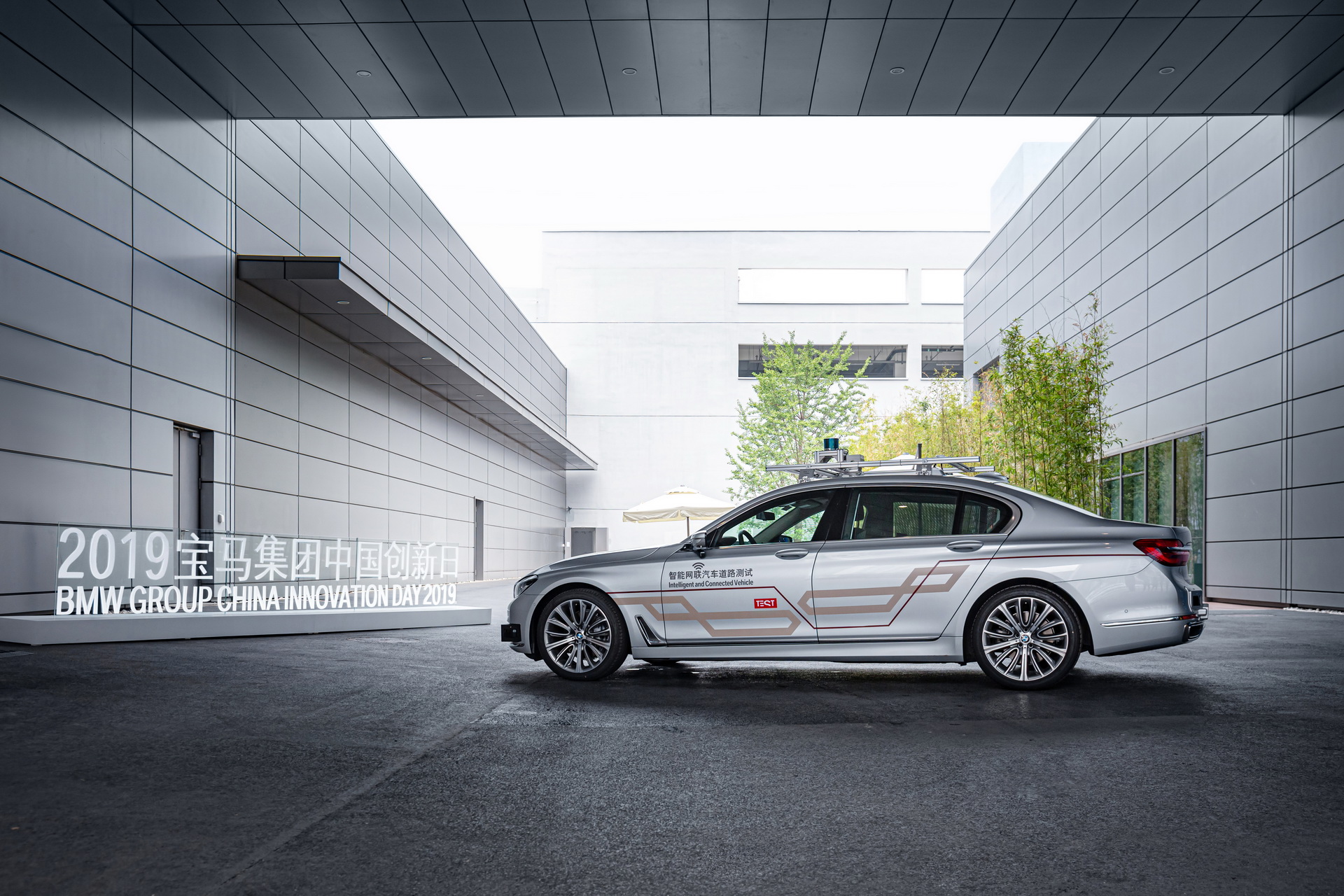
Huawei has begun working with 5G technology to develop radars for autonomous cars. For the time being, there is no information about when it will be launched.
Huawei, in its push to establish itself in the automotive industry, has taken a step further and has just announced that it will use its advanced 5G technology to develop radar systems for autonomous cars, as reported by Reuters.
The announcement was made during a conference held in Beijing, where the company’s vice president, Xu Zhijun, stated that the manufacturer aims to play a more important role in the automotive industry and will build an ‘ecosystem’ of sensors fitted in cars.
The 5G technology will be used to develop millimetre-wave radar LiDAR systems, Xu Zhijun added. However, the Chinese tech giant did not mention how long it will take to develop these systems or when they might reach the market.
The radar and laser radar systems developed by Huawei will ultimately be used by autonomous vehicles to collect information about their surroundings. One particular obstacle Huawei could face is the simple fact that it is believed to be well behind many other technology companies and carmakers that are developing such systems.
Huawei is reportedly already working on radars for autonomous cars
There is no doubt that the company’s large scale and resources will allow it to develop innovative radar systems quickly, but it remains to be seen whether it will be fast enough.
Another obstacle Huawei will have to contend with is its ongoing battle with US officials, who have expressed distrust of the company and its 5G technology. If lawmakers were to ban the use of Huawei sensors in cars operating in the United States, the company would lose access to the world’s second-largest car market.
Some sources have already reported that, over time, the cost of the set of sensors and computing used by an autonomous vehicle will cost less than the parts that can be removed from an autonomous car, including items such as steering wheels, dashboards, pedals, power seats, mirrors, among other components.
However, automotive industry experts point out that it will be years before the industry reaches “Level 4” autonomous driving or fully autonomous standards, in which such vehicles can handle all aspects of driving in most circumstances without human intervention.
This is not Huawei’s first foray into autonomous technologies. In June, the company said it was working with carmakers in Europe and China on artificial intelligence for autonomous vehicles that it could bring to market from 2021. The companies it was working with included Audi, GAC Group, Beijing New Energy Automobile and Changan Automobile, according to the Financial Times. Huawei also launched 5G communications hardware for use in the automotive industry in April.
https://twitter.com/HuaweiMalaysia/status/1179682000367542272
In February of this year, Huawei announced that it would launch “a series of solutions for autonomous driving mobile networks”. This included the company’s MBB automation engine (MAE) and its BTS5900 series base stations, which can “help operators achieve automation in all scenarios” and will make the most of the upcoming 5G network.


 Peugeot E-208 GTi: a battery-powered toy that revives the spirit of the 1980s sports cars
 New Lexus ES: luxury grows and goes electric
 First contact with the Dacia Sandero Hybrid 155: power and efficiency from €19,890
Deja un comentario