G6 Geely Starray Xpeng Hybrid Cars Comparisons SUV
LYNK & CO 08 vs Omoda 9: which Chinese premium plug-in hybrid SUV-C offers more value in 2026
 Iván Navarro
28 September 2026
6 min.
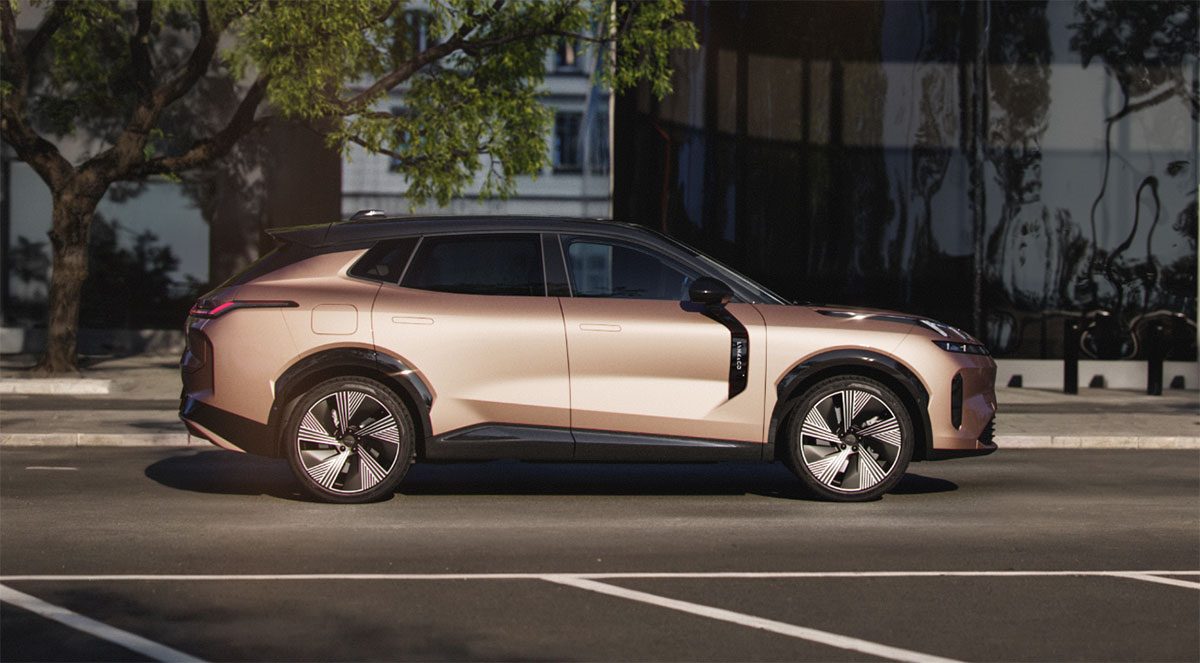
We compare the Lynk & Co 08 and the Omoda 9, the two most relevant Chinese premium plug-in hybrid SUV-Cs in Spain in 2026. Electric range versus performance, with an almost identical starting price.
The segment of Chinese premium plug-in hybrid SUV-Cs has narrowed in Spain, and the battle for the informed buyer comes down to two very specific names. On one side, the Lynk & Co 08, with an almost obsessive focus on electric range. On the other, the Omoda 9, which steers the conversation towards pure performance. Both start from an almost identical indicative RRP—around 53,000 €— and both are PHEVs with a CERO label. That is where the similarities end.
From the initial list of candidates we have deliberately excluded BYD: in our editorial judgement, the brand has lost ground in a segment where the premium Chinese conversation has concentrated on a very small number of names, and the natural focus of this piece is the two that are currently driving the commercial and media debate in Spain.
Why this comparison matters in 2026
We are talking about two cars that answer different questions with the same budget. A reader who drives 40 km a day and charges at home has a clear winner on paper. Another who values mechanical response and wants a family estate with a sporty soul sees it just as clearly… in the opposite direction. This comparison Lynk & Co 08 vs Omoda 9 is precisely about that: understanding what type of buyer you are before signing.
The prices we use are the manufacturer’s recommended RRP, without dealer offers, one-off campaigns or aid from the current Plan Auto+. Keep this in mind before running detailed calculations.
Lynk & Co 08: the electric range specialist — from 52,995 €
The Lynk & Co 08 PHEV is, in practice, an electric car with petrol life insurance. Its 39.6 kWh battery is huge for a plug-in—it is closer to an urban electric car than to a conventional PHEV—and that is where the homologated electric range of around 200 km comes from, which is today the figure to beat in the segment.
The 345 hp sounds modest next to its rival, but in day-to-day use it is more than sufficient. The 08 is not after being fast: it is after ensuring you hardly use any petrol if you live plugged in.
| Power | Top speed | Electric range | Consumption | Battery | Label | Fuel |
|---|---|---|---|---|---|---|
| 257 kW / 345 CV | 185 km/h | ≈200 km | 0.9 l/100 km | 39.6 kWh | CERO | PHEV petrol |
In real use, and being honest, the 200 homologated km will probably come down to 150-160 effective km depending on route and temperature. It is still an impressive figure for a PHEV. At that level, a typical user can go weeks without starting the combustion engine.
Omoda 9: the performance response — from 52,900 €
The Omoda 9 PHEV takes the opposite route. It delivers 537 hp with all-wheel drive, and that figure places it in unusual territory for a plug-in SUV-C at this price. It is, quite simply, a lot of car for 52,900 €.
| Power | Top speed | Electric range | Consumption | Battery | Label | Fuel |
|---|---|---|---|---|---|---|
| 395 kW / 537 CV | ≈180 km/h | 145 km | 1.7 l/100 km | 34.46 kWh | CERO | PHEV petrol |
The 145 km of electric range is still a top figure in the segment—until two years ago, no PHEV came close to that mark—but next to the 08 it loses the title. The trade-off is an AWD system with electronic torque distribution and a response that, on paper, leaves behind European rivals costing considerably more. That said, the top speed limited to 180 km/h reveals its cards: the 9 is quick from 0 to 100, but it is not designed for stretching out on motorways.
Head to head: what really changes in daily life
If you drive in the city and plug in every night, the difference between 200 and 145 electric km means fewer visits to the petrol station each month. It may seem marginal. It is not: over a year of mixed use, we are talking about several hundred euros of fuel saved in favour of the 08.
When the charging point is not available, the picture changes. Both are heavy PHEVs—they carry generous batteries—and when running in conventional hybrid mode, consumption rises well above the homologated 0.9 l/100 km / 1.7 l/100 km. On the motorway, with the battery empty, forget the 0.9 l/100 km and prepare for more honest figures of 7-8 l/100 km in either of the two. It is the usual toll of the segment, and we already discussed it when analysing how to choose a family hybrid SUV in 2026.
And performance? Here there is no debate. The 537 hp of the Omoda 9 with AWD play in a different league from the 345 hp front-wheel drive of the Lynk & Co 08. But it is also true that few buyers of a 1,900 kg family SUV will often exploit that power.
Interior, equipment and perceived quality
Both offer cabins with a premium outlook: large screens, well-finished upholstery, panoramic roof and extensive ADAS packages. The Lynk & Co 08 has a more minimalist, almost Scandinavian interior language—an obvious Volvo/Geely heritage. The Omoda 9 opts for a busier atmosphere, with more screens and more lights. A matter of personal taste more than objective quality.
In rear seat space and boot capacity, both perform to very similar figures, typical of a long SUV-C, with a slight advantage for the Omoda in gross cargo volume.
Comparison table and editorial score
| Model | Power | Electric range | Consumption | Starting price | Score |
|---|---|---|---|---|---|
| Lynk & Co 08 | 345 CV | ≈200 km | 0.9 l/100 | 52,995 € | 8.5/10 |
| Omoda 9 | 537 CV AWD | 145 km | 1.7 l/100 | 52,900 € | 8.2/10 |
The score gap is minimal because both get their own strengths right. The 08 wins by a narrow margin by prioritising what most PHEV buyers (around 90%) actually need: useful electric range to avoid using petrol. If your profile is the other 10%, the Omoda 9 is simply unbeatable in its price range. To complement the analysis of the segment, it is also worth reviewing the comparison XPENG G6 vs Geely Starray.
FAQ
Which has more real electric range, the Lynk & Co 08 or the Omoda 9?
The Lynk & Co 08 is homologated at ≈200 km versus the 145 km of the Omoda 9. In real use, the 08’s advantage holds, sitting at around 150-160 effective km versus 110-120 km for the Omoda.
Which is faster, the Lynk & Co 08 or the Omoda 9?
The Omoda 9, without question: 537 hp with AWD versus 345 hp front-wheel drive in the 08. In top speed, they reach around 180 km/h and 185 km/h, respectively.
Which Chinese PHEV SUV offers the best price-to-equipment ratio in 2026?
Both start from a similar indicative RRP, around 52,900 € and 52,995 €. The choice depends on your profile: the 08 delivers more if you charge daily; the 9 justifies its price with performance far above comparable European rivals.
Can they qualify for public purchase aid?
Both carry the CERO label as PHEVs with electric range above 40 km, which allows them to qualify under the current Plan Auto+ framework. For updated amounts and conditions, check the plan’s official website.
Technical specifications of the cars in this article

 Peugeot E-208 GTi: a battery-powered toy that revives the spirit of the 1980s sports cars
 New Lexus ES: luxury grows and goes electric
 First contact with the Dacia Sandero Hybrid 155: power and efficiency from €19,890
Deja un comentario