McLaren P1 Hybrid Cars Supercars
McLaren is heading into the hybrid era and announces that the successor to the P1 will have one
 Victor Alós Yus @sepelaci
16 March 2020
2 min.
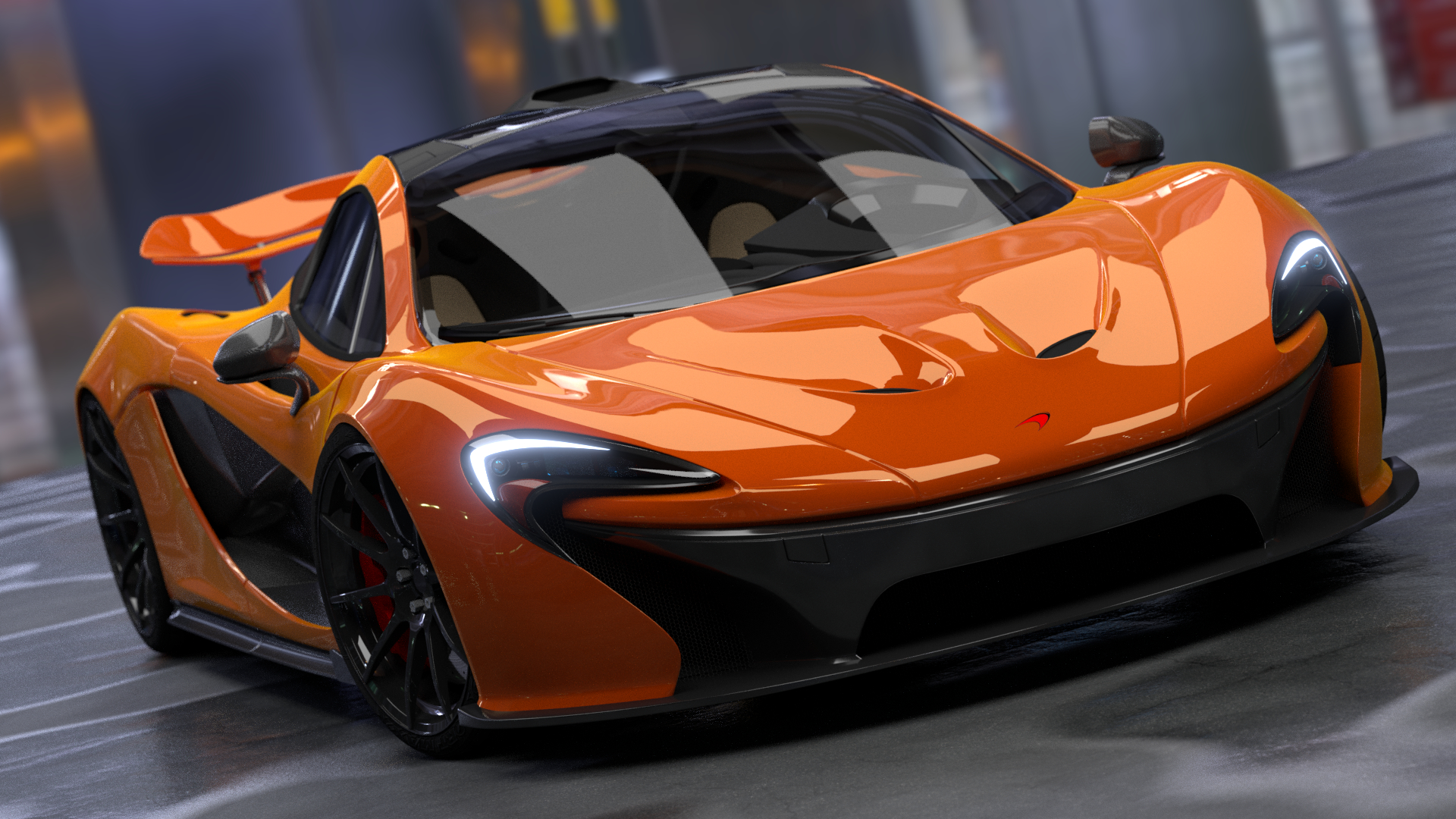
Hybrid engines have a promising future, and McLaren wants its next supercars to use a hybrid engine, starting with the successor to the P1
McLaren has announced that the successor to the powerful P1 will arrive in 2024 and that it will feature a major difference from the current model. It will be entirely new, with a different powertrain that will take advantage of hybrid technology so as not to lose market share. And while the United Kingdom wants to ban the sale of petrol, diesel and hybrid vehicles from 2035, this appears to be the safest bet for the time being.
The McLaren P1 will see its replacement arrive, but it will not be electric, as the company does not believe the time is right for a fully electric supercar. In the words of Mike Flewitt, CEO of the British company, the existence of an electric hypercar would not offer good satisfaction to different users, because it could only be driven on track for about 30 minutes and would then have to undergo a charging process lasting all day.
Hybrids, the most likely future
This situation will make electric cars not a very feasible option, and it will require that hybrid cars face no sales and registration restrictions. It is an intermediate solution between combustion cars and electric ones that can be very attractive to buyers and to the development of cleaner cars that pollute less.
For Flewitt, the rollout of electric cars will take place at different speeds depending on the market. Electric cars are expected to have a greater impact on the Chinese market, while in other countries the introduction will be more gradual, at a different pace. This will be due, in part, to the demand for these vehicles in each country and, above all, to the presence of infrastructure that can help improve the use of electric cars.
Although bifuel options are also growing in the market, this option is not contemplated for supercars, which will continue to use petrol engines and will gradually introduce hybrid options, but will not have CNG and LPG options. The strategy of hybrid powertrains will be present in the industry for the next 20-30 years, and purely electric mobility is not being considered for the time being.


 Peugeot E-208 GTi: a battery-powered toy that revives the spirit of the 1980s sports cars
 New Lexus ES: luxury grows and goes electric
 First contact with the Dacia Sandero Hybrid 155: power and efficiency from €19,890
Deja un comentario