OBD, how the diagnostic system works in MOT inspections
 Mónica Redondo @MonicaRedondoD
19 March 2021
3 min.
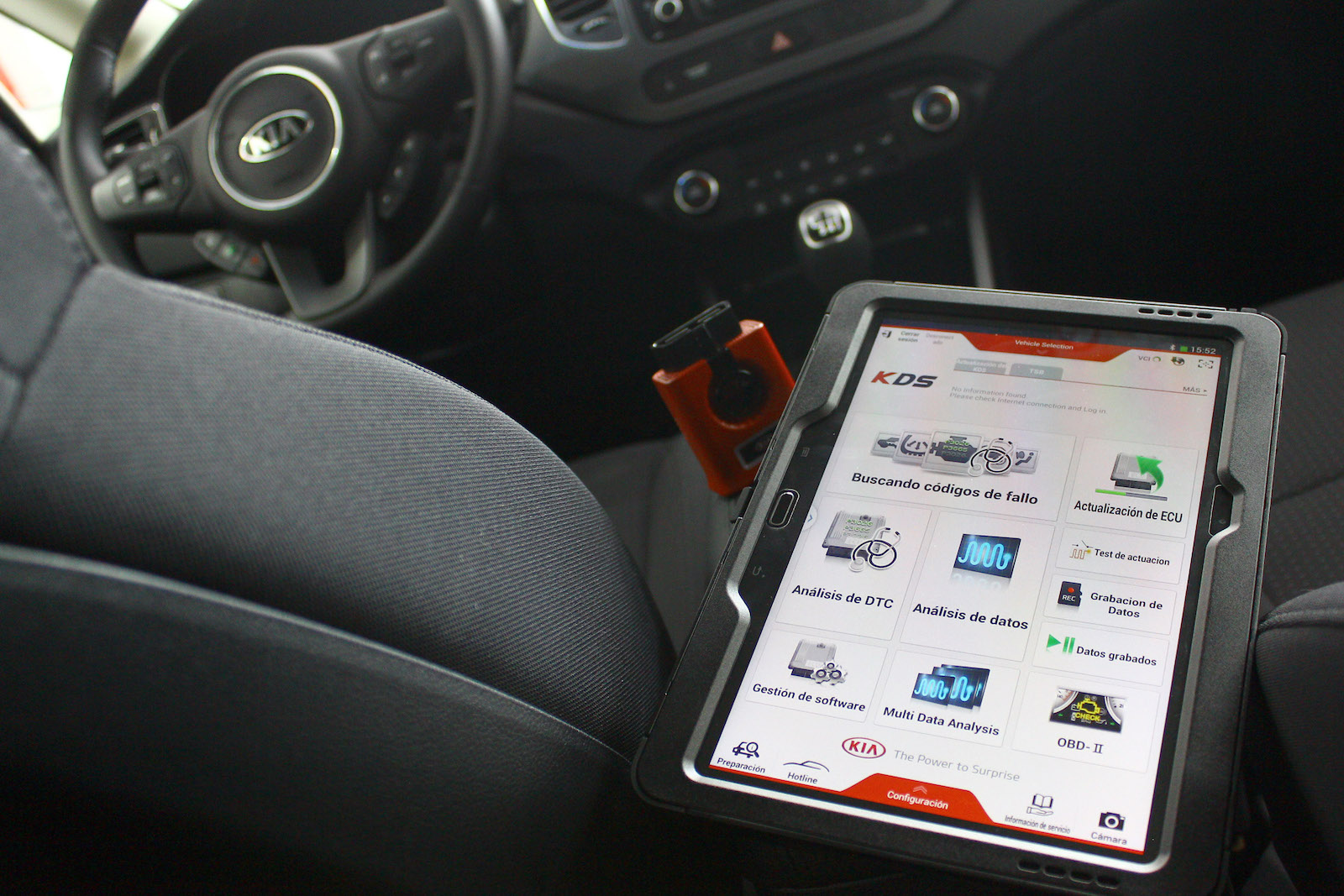
Since 2018, MOT inspections have been able to use the OBD port reading to find out, in depth, the condition of the vehicle in question.
The On Board Diagnostics, better known as OBD, is a system that lets us know what is going on with our car and the fault code. The port is usually located at the foot of the driver’s seat, on the passenger side or even in the engine bay. This protocol is already fitted to most modern petrol and diesel cars. Today we are going to explain how this diagnostic system works in MOT inspections.
Since 2018, Vehicle Technical Inspection stations, ITV, have started to use this system. However, it is important to point out that the first ITV dates from 1900, when a Royal Decree was published requiring an inspection to certify whether a vehicle could be driven. Experts from TÜV SÜD in Spain have highlighted that the ITV has gone through two milestones that marked a before and after: “the technical inspection of mopeds in 2007, which included the maximum speed test and reduced deaths and injuries by up to 50%, and the OBD test.”
OBD arrives at Vehicle Technical Inspections
As you will surely know, in 2018 the use of the OBD port in ITV inspections was approved through Royal Decree 920/2017. These new electronic tools allow the vehicle’s information to be read from the control unit. With the diagnostic system, ITV stations can check emissions, mileage, ABS, the ESC system, restraint systems, lighting, software or certain faults that cannot be seen with the naked eye.
Checking the vehicle’s condition via its OBD port allows the inspection values to be handled through management software that prevents errors or tampering with the storage of data. In addition, it enables electronic reading of the treatment of polluting gases by the control units through the OBD ports, detecting vehicle defects that could not previously be assessed.
It should be noted that all measurements are saved automatically and cannot be modified. The aim is that in the future emissions can be controlled against the new levels and the electronic systems already fitted to some of the most advanced models on the market.
What happens if you have a hybrid or electric car?
“Specific inspection points will be established to assess the systems of electrified vehicles: type approval, batteries, motors and other components. All of them must meet certain requirements to ensure their safety against electrical risk and to check that they remain effective throughout the vehicle’s service life, which will be the task of the ITV.” This is essential, since the arrival of hybrid and electric cars is defining new procedures for carrying out emissions testing.
The new Royal Decree on Vehicle Technical Inspections will bring important changes regarding diagnostic tools. “Through a standard connection, the control units are linked to a reader in charge of managing the engine and, if a fault occurs in operation, it records the failure. Almost 10% of the vehicles inspected with this system have shown some defect that we previously were unable to detect.”


 Peugeot E-208 GTi: a battery-powered toy that revives the spirit of the 1980s sports cars
 New Lexus ES: luxury grows and goes electric
 First contact with the Dacia Sandero Hybrid 155: power and efficiency from €19,890
Deja un comentario