Nissan Electric Cars Technology
Solid-state batteries from Nissan will arrive in 2024
 Mónica Redondo @MonicaRedondoD
10 April 2022
3 min.
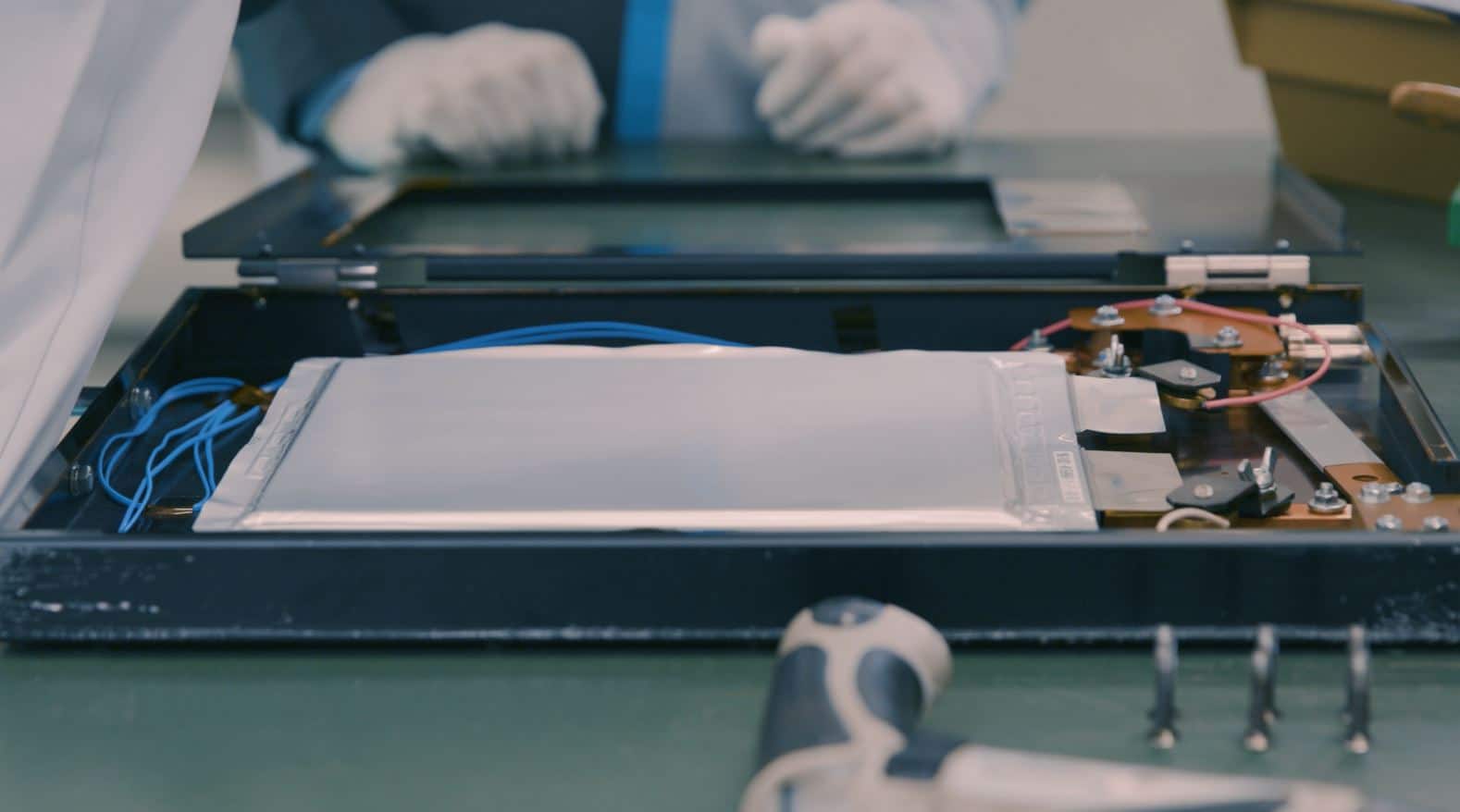
Solid-state batteries from Nissan will be ready in 2024 and will revolutionise the electric vehicle industry.
Electric cars keep evolving, so much so that many manufacturers are putting all their effort into developing solid-state batteries. Nissan has gone a step further and has announced that it will unveil its solid-state batteries in 2028.
Until now, most electrified vehicles have used nickel-metal hydride (NiMH) batteries and lithium batteries. The problem with both materials is that their energy density is quite limited, which is why very large battery packs are needed to offer a wide range. In addition, these batteries have a fairly short service life and can catch fire easily if charged incorrectly.
All of this could be left behind thanks to the development of solid-state batteries. This type of battery offers greater range and a much longer service life, which may make it the future of electrification.
Solid-state batteries, the solution to electrification?
Solid-state batteries are not a new invention, but they are not used because their manufacturing costs are quite high and their production techniques are more complex. Nor can we forget the materials they are made from and their safety.
It is important to highlight their design: these new batteries offer greater potential to store more energy with greater safety. Once they can be produced industrially, they can be sold at an attractive price for all drivers. When that moment arrives, solid-state batteries will revolutionise the electric car landscape, increasing range and reducing the weight and volume of battery packs.
Nissan has presented its prototype for producing laminated solid-state batteries. These batteries could reach the market in 2028. The brand also plans to launch an electric vehicle with in-house developed solid-state batteries by 2028. It intends to set up a pilot production line at its Yokohama plant during the 2024 fiscal year, where materials, design and manufacturing processes will be studied for producing prototypes on the line.
Nissan believes solid-state batteries could fall to 75 dollars per kWh during the 2028 fiscal year and to 65 dollars per kWh thereafter, bringing electric vehicles practically to the same cost level as petrol vehicles – remember the target is around 50 dollars per kWh. If Nissan manages to achieve this, we could have 70 kWh batteries for around 4,550 dollars, a very attractive figure and far below current prices.


 Peugeot E-208 GTi: a battery-powered toy that revives the spirit of the 1980s sports cars
 New Lexus ES: luxury grows and goes electric
 First contact with the Dacia Sandero Hybrid 155: power and efficiency from €19,890
Deja un comentario