Tesla is still awaiting European regulatory approval for FSD Supervised
 Javier Cantagalli
20 March 2026
3 min.
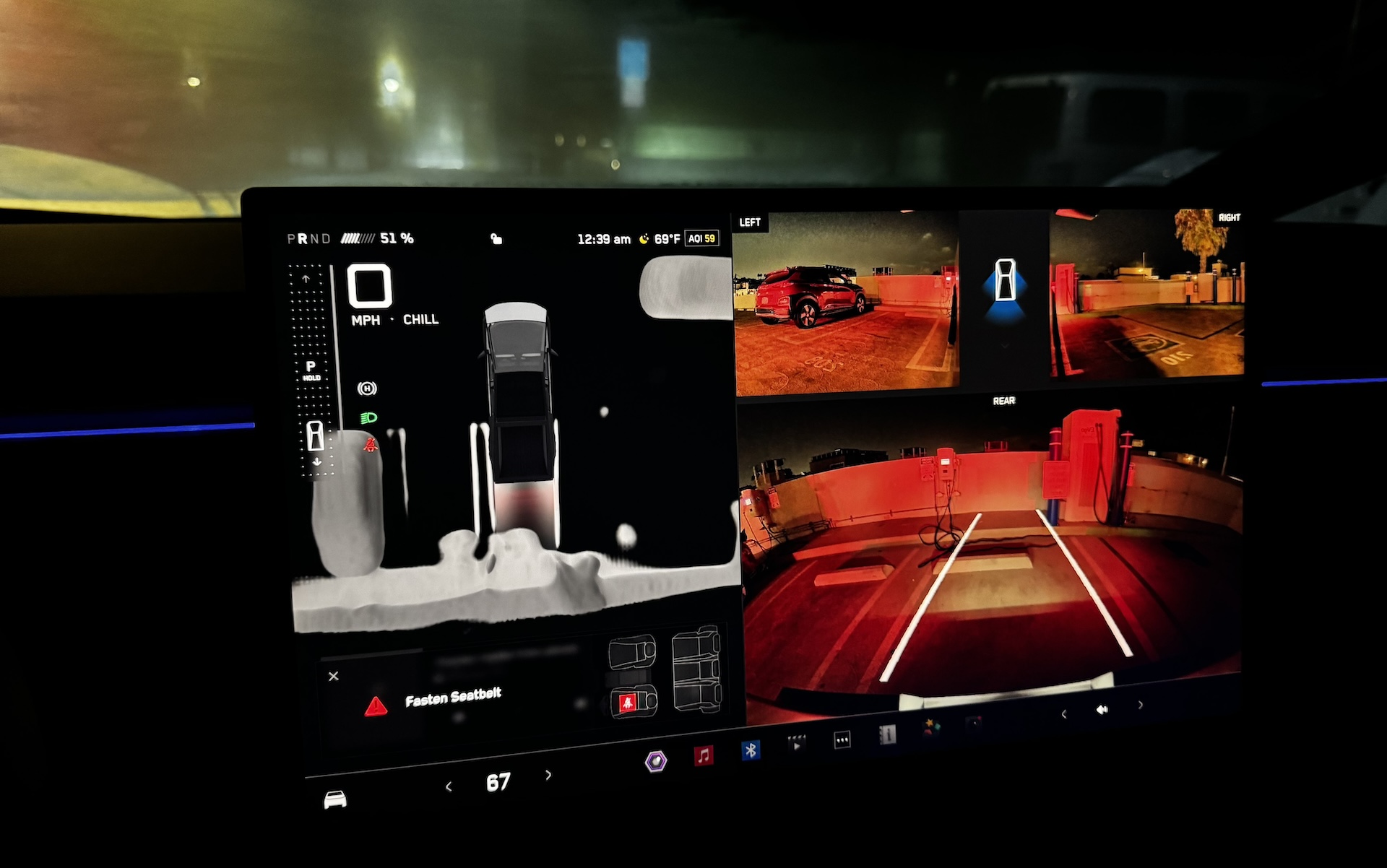
Tesla is still running an obstacle course in its effort to offer its FSD (Supervised) system in Europe. The company is nonetheless confident that it will be available across the European Union this coming summer.
In Europe, Tesla’s Full Self-Driving (Supervised) system — fully autonomous driving with supervision required from the driver — continues to accumulate delays in regulatory approval, with the company’s forecasts being missed again and again.
At the end of 2025, Tesla indicated that the Dutch authority RDW had signalled a possible approval for February 2026, although the RDW itself qualified that expectation and did not confirm it as definitive. Today, in the second half of March, the fact is that this authorisation has not yet materialised.
Nevertheless, Tesla has recently shared an update on X about the progress of this process. According to the company, the Tesla team handling these procedures has communicated a new expected date of 10 April — after the 20 March date was postponed — and it remains optimistic about successfully concluding its collaboration with the authorities.
Tesla states that, together with the RDW, it has completed the real-vehicle testing phase for Full Self-Driving (Supervised) and has submitted all the documentation required to comply with UN R-171 regulations and the Article 39 exemptions. At this point, the RDW team is internally reviewing those materials and the test results.
With the homework done
Over the last 18 months, Tesla has accumulated more than 1.6 million kilometres driven with FSD (Supervised) on European roads and has carried out more than 4,500 tests on closed circuits as part of the homologation process. However, so far the RDW has not issued any official statement on the current status of the assessment.
It is important to clarify, in any case, that should the RDW grant approval in the coming days, the system could initially only be used in the Netherlands. Subsequently, other European Union countries could adopt that decision through a coordinated procedure at Community level. If a majority agreement is not reached, each Member State would have the option of independently following the Dutch example. Tesla hopes that a valid authorisation across the whole EU could be achieved during the summer of 2026.
FSD under the spotlight in the United States
Meanwhile, in the United States the situation has become more complicated in recent days. The NHTSA (National Highway Traffic Safety Administration) has intensified its investigation into Full Self-Driving after analysing crash data from vehicles equipped with it. The agency has expressed concern about the system’s performance in reduced-visibility conditions, such as fog, dust, glare or other factors affecting the cameras.
This US agency’s investigation, which covers practically all vehicles delivered with FSD, is examining whether the software is good enough when environmental conditions compromise its operation and whether it hands control back to the driver with enough advance warning to avoid collisions.


 Peugeot E-208 GTi: a battery-powered toy that revives the spirit of the 1980s sports cars
 New Lexus ES: luxury grows and goes electric
 First contact with the Dacia Sandero Hybrid 155: power and efficiency from €19,890
Deja un comentario