Charger Dodge Electric Cars Muscle cars
The Dodge Charger electric could incorporate a system that simulates the vibrations of a combustion engine
 Javier Cantagalli
26 February 2024
3 min.
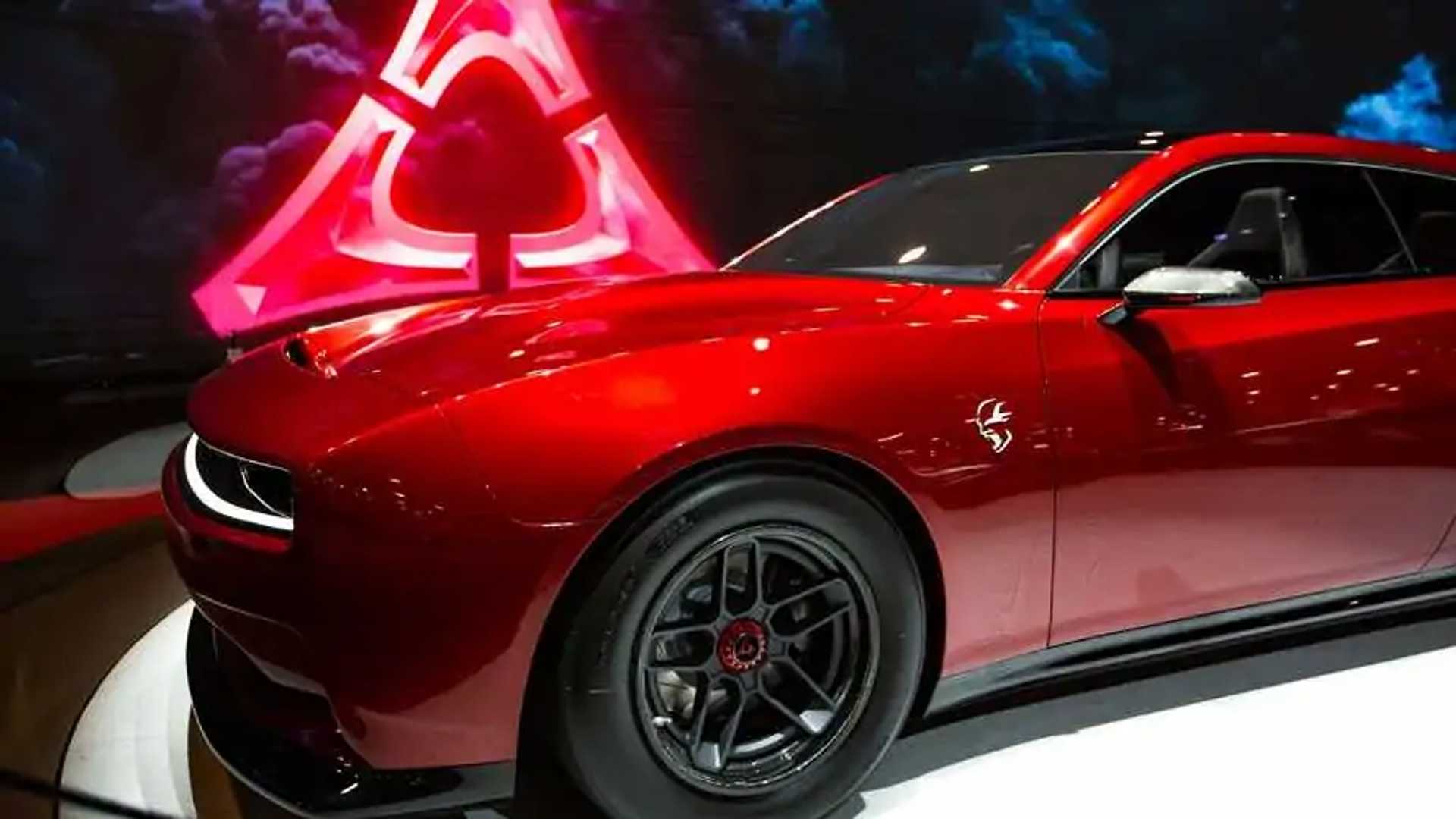
The American manufacturer wants the experience of driving its first electric muscle car to be no different at all from what people are used to, and to achieve this it will not hesitate to use simulated sounds and even vibrations
To make the transition to electric mobility easier for more experienced drivers, who for decades have been accustomed to noisy combustion engines and their cumbersome gearboxes, some manufacturers have already integrated into some of their electric models systems that simulate the sound of this type of vehicle when accelerating, or that even allow the driver to create the illusion that they are changing gears. An example of the latter would be the Hyundai IONIQ 5 N.
The presentation of a new patent now suggests that Dodge could go one step further with the new electric version of its popular muscle car.
The future Dodge Charger electric 2025, of which the company already presented a first prototype in the summer of 2022, could be the first vehicle with this type of propulsion to incorporate a system whose main objective is to produce vibrations, in order to convey to the driver sensations much more similar to those offered by muscle cars with combustion engines.
What does this system devised by Dodge consist of?
As explained in the patent description, the Active Vibration Enhancement, which is the name the American manufacturer has chosen for this system, will be able to generate vibrations adapting to the specific conditions found in the real world, including being stationary with the vehicle stopped -for example at a traffic light-, driving along a route, or carrying out gear changes. To generate these vibrations, the system will use a series of sensors and “force generators” distributed across the vehicle’s chassis.
To understand it better, the idea is basically the same as that already implemented in video game console controllers, but applied on a much larger scale. By combining these vibrations with simulated sounds as well, it should be possible for the driver to enjoy an experience much more similar to that offered by muscle cars with powerful V6 or V8 combustion engines.
The question we ask ourselves, however, is whether this really makes any sense. In any case, as with the simulated sound already offered by some electric vehicles, we imagine this system will be deactivatable and could even be optional for those drivers who genuinely consider they can get some benefit from it.
There are also other advantages
Dodge states, moreover, that aside from the sensations its simulated vibration system will be able to generate, safety will also be increased. As explained in the patent, the vehicle’s sound and vibration will let the driver know when the vehicle is “on”, thus avoiding involuntary movements when the accelerator pedal is pressed by mistake, something that has already caused some accidents with electric vehicles. The driver could also receive other types of alerts through sounds and vibrations, for example when changing lanes while another vehicle is in the blind spot.


 Peugeot E-208 GTi: a battery-powered toy that revives the spirit of the 1980s sports cars
 New Lexus ES: luxury grows and goes electric
 First contact with the Dacia Sandero Hybrid 155: power and efficiency from €19,890
Deja un comentario