Which car to buy: Diesel or petrol?
 Diego G. Moreira
19 January 2019
5 min.
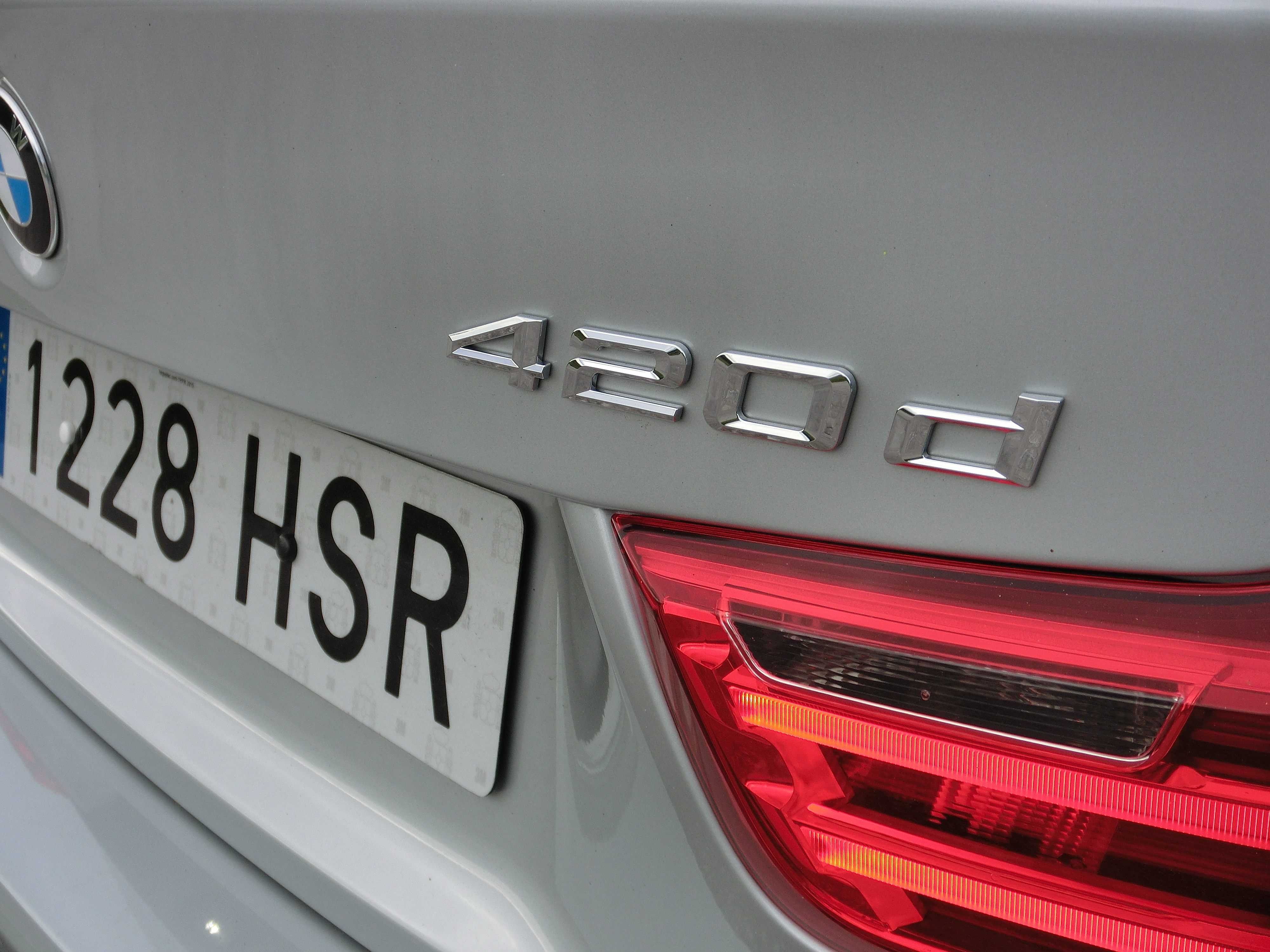
If you have to replace your car, you’re sure to have doubts: is it better to buy a new diesel or petrol car? Is it safe to buy a diesel with an eye to the future?
The latest news on car sales in our country is showing a clear trend: more petrol cars are being sold than diesel (something that was unthinkable just 10 years ago). On the other hand, large cities such as Madrid and Barcelona are putting a stop to vehicles, and diesels seem to be public enemy number one because of their emissions (although they have always been there, it’s not that it has just been discovered that they emit NOx).
Given this background, buying a new car right now is a complicated task. It seems that if we opt for a diesel, the investment is not very favourable, and the solution being promoted as an universal truth is to buy petrol vehicles. But this is not entirely true: diesel is not going to disappear in the short term, nor is petrol the solution to the problem. Everything will depend on how we use the car, and that is where the key lies. To help clarify some of these points, today I want to offer another point of view on certain claims that are repeated in an attempt to turn them into universal truths.
Diesel is going to disappear; some brands have already announced that they are stopping the production of diesel engines
This is one of those claims that contains a part that is true and a part that is inaccurate. It is true that some brands have announced they are ceasing diesel engine production. In the short term, they are changing their range and progressively removing diesels until they disappear completely. They are doing this because developing a diesel engine today is more costly than it was years ago, with the constant changes in emissions regulations. Many engines that were on the market need costly tuning processes, something that for certain brands does not make economic sense, since they would have to develop these new powertrains only for the European market (the favourite market for diesels), while they do not need them to keep selling in other markets. This means that some brands have opted for hybrid technology (the fruit of their experience in this field) or for petrol engines to replace diesels, offering an alternative without the need to develop diesel engines; Volvo and the FCA Group are some of those brands.
Meanwhile, other manufacturers continue to bet on new diesel engines, more efficient and with new technologies that allow them to meet the demanding emissions regulations. Proof of this is that over the last year new diesel powertrains have been launched, and some brands have even presented diesel-hybrid powertrains with the aim of meeting the most demanding pollution scenarios. In other words, the disappearance of diesels is a decision for each brand: some prefer to focus on other types of powertrains, while others continue to offer newly developed diesel engines.
Which engine is more reliable: diesel or petrol?
What makes an engine reliable is the robustness of its design and the fewer components it has that can fail; the more reliable it will be. But nowadays brands do not create simple engines. Quite the opposite: in the midst of the downsizing trend, there are hardly any naturally aspirated engines left on the market, and the aim is to squeeze the maximum out of small engines, obtaining great performance from them, whether the powertrain is diesel or petrol. Reliability will depend on the construction of the specific engine, because there are examples of petrol engines (even small ones) with proven reliability, and diesels that are robust well beyond half a million kilometres.
Another detail to consider is that some diesels are fitted with exhaust gas treatment systems that in many cases are a source of problems for owners, although everything depends on how the car is used. The key to the matter lies in the use the engine was designed for and its optimal operating conditions; when these are not met, this is when such problems can appear.
What should I take into account when deciding whether to buy a diesel, petrol or another type of vehicle?
The first thing to consider is how the new car will be used: will it be driven mostly in the city, on country roads, or on motorways? and then analyse the number of kilometres we cover each year. If we combine the type of use with the number of annual kilometres, it will be easier to get the right fuel. For example, for short or urban journeys the best option is a petrol or a hybrid, since the simpler and more robust the powertrain, the better, as it will cope better with day-to-day use. If we do not reach 20,000 km but still drive a mix of roads and, to a lesser extent, the city, the best option would be a hybrid, because it gives us economical running and savings even on occasional city trips.
But if we drive more than 20,000 km a year or our usual route is on motorways or main roads, that is where a diesel makes the most sense. A diesel should also be considered depending on the kind of needs we have, for example, an off-roader or for towing. A diesel engine suffers when it is driven in the wrong places, without the engine reaching its ideal temperature, or with frequent starts and stops that increase the risk of breakdowns.
In short, if you have to buy a car, it is not only a matter of deciding whether it will be diesel or petrol. The first step is to analyse how the vehicle will be used, and then weigh up the different alternatives, whether petrol, diesel or hybrid. And although the focus is currently on diesels, that does not mean they are going to disappear or that the technology is falling out of use with manufacturers.


 Peugeot E-208 GTi: a battery-powered toy that revives the spirit of the 1980s sports cars
 New Lexus ES: luxury grows and goes electric
 First contact with the Dacia Sandero Hybrid 155: power and efficiency from €19,890
6 comentarios
Deja un comentario
Muy buen artículo, tiene criterio y buena redacción. Lo recomiendo
¿alguna actualización a este artículo?
Buenas tardes Vicente, la tendencia es más o menos similar a hace 3 meses, no hay mucha actualización al respecto.
En Highmotor vamos publicando a lo largo de las semanas actualizaciones al respecto, como son nuevas medidas de los Ayuntamientos a los diferentes combustibles, nuevas tecnologías y nuevos lanzamientos de las marcas.
Un saludo y gracias por leernos
Buenas,
pese a la actualidad marcada por la fobia al diesel y los diferentes rumores al respecto, analizar la compra del coche con detalle y ver que tipo de recorridos se van hacer o cuantos kilómetros anuales, es básico. Porque el diesel no va a desaparecer de un año para otro, y con la nueva normativa que entra en vigor este Septiembre aún se reducen más las emisiones de estos coches. Incluso en el peor de los casos con una fiscalidad desfavorable (si finalmente sube el precio por litro de diesel) a nivel de consumos si hacemos muchos kilómetros al año seguirá compensando un diesel, lo que está claro es que en nuestro mercado se vendían muchos más vehículos diesel de lo que racionalmente debería dados los usos que después tenían estos coches. Un saludo!
Nadie sabe por qué se quieran cargar los diesel. Tengo un 1.6 TDCI con 150.000, bien mantenido. Un motor perfecto: 110 cv, 120km/h a 2.200 rpm. Ahora nos quieren vender motor carracla de 3 cilintros y financiado, otra burbuja. Supongo que el secreto está en lo que vas a pagar mensualmente. El cebo ya esta echado, ahora que piquen. Pues nada aguantaremos el chaparrón hasta que el eléctrico se ponga a tiro.
Hola, mi nombre es Picus Lonut y solo quiero compartir mi experiencia con todos. He estado escuchando esta tarjeta de cajero automático en blanco por un tiempo y nunca le pagué ningún interés debido a mis dudas. Hasta que un día descubrí a un tipo de piratería llamado Sr. Frank. Él es realmente bueno en lo que está haciendo. Volviendo al punto, pregunté por la tarjeta de cajero automático en blanco. Si funciona o incluso existe. Me dijeron que sí y que es una tarjeta programada para retiros de dinero al azar sin ser notados y también se puede usar para compras en línea gratuitas de cualquier tipo. Esto fue impactante y todavía tenía mis dudas. Luego lo intenté, pedí la tarjeta y acepté sus términos y condiciones. Cuatro días después recibí mi tarjeta y la probé con el cajero automático más cercano, para mi mayor sorpresa. Funcionó como magia. Pude retirar hasta 4000 euros.
Esto fue increíble y el día más feliz de mi vida. Hasta ahora he sido capaz de retirar hasta 58000 euros sin ningún tipo de
estrés de ser atrapado. no hay ATM MACHINES que esta TARJETA BLANK ATM NO PUEDE penetrar en ella porque ha sido programada con varias herramientas y software. También tiene una técnica que hace imposible que el CCTV te detecte. No sé por qué estoy publicando esto aquí, simplemente sentí que esto podría ayudar a aquellos de nosotros que necesitamos estabilidad financiera. El cajero automático en blanco realmente ha cambiado mi vida. Si desea contactar con ellos, aquí está la dirección de correo electrónico ([email protected]) también puede agregarlo en WhatsApp +393512135158.