SU7 Xiaomi Electric Cars Supercars
Xiaomi SU7 Ultra owners are furious over an OTA update that strips away their car's power
 Javier Cantagalli
8 May 2025
3 min.
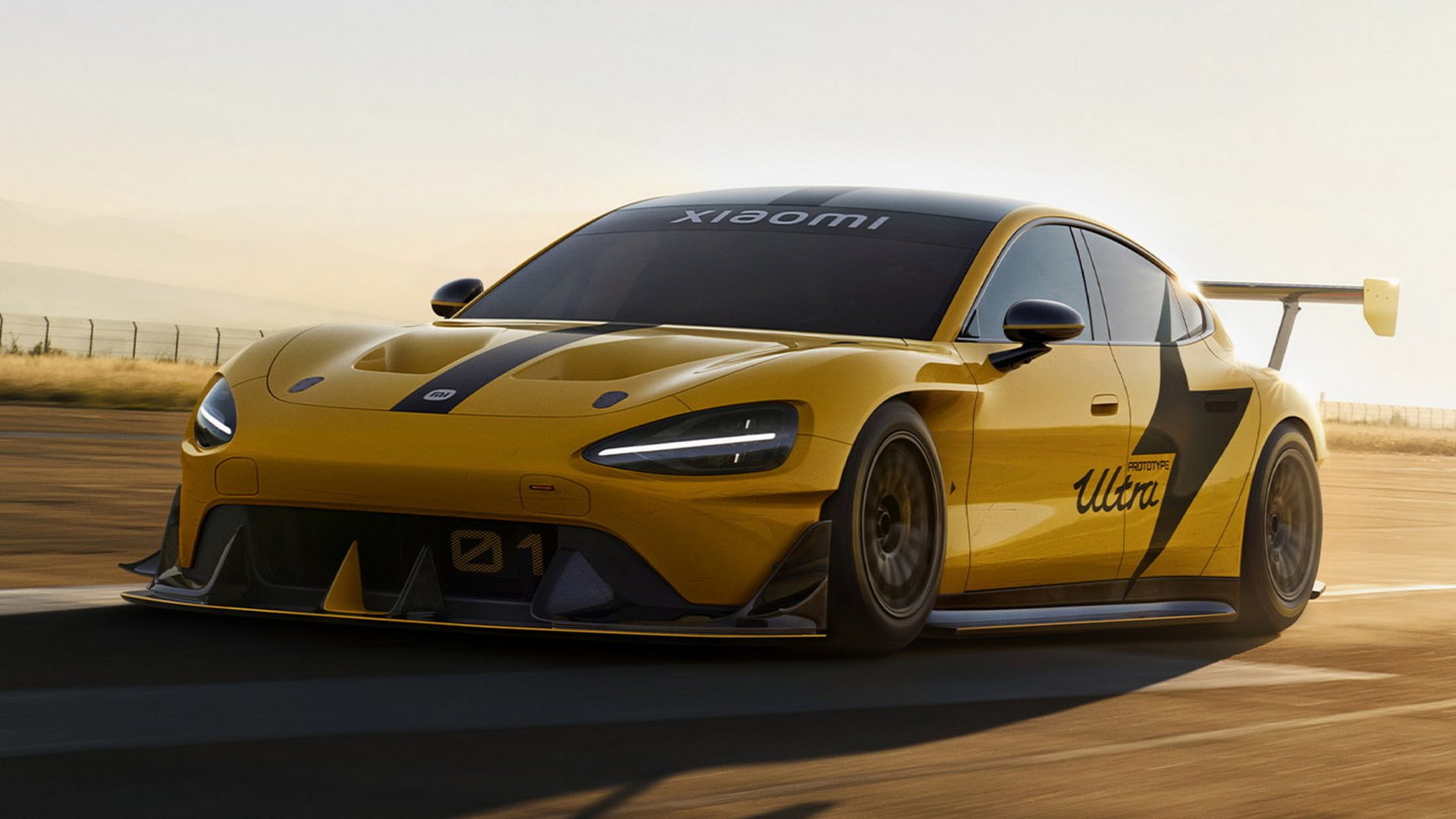
Nobody likes discovering that the supercar you bought overnight has lost nearly half of the power it was sold with.
Xiaomi has been dominating flattering headlines in the media since the launch of its first electric vehicle, just over a year ago. But not all the news can be good, and in recent days those same outlets that for months have highlighted the company’s strong debut in the automotive sector have been forced to report a story that does not paint the Chinese manufacturer in a very good light.
The most radical version of the SU7, called Ultra, recently reached the Chinese market promising more than a thousand kW of power (1,139 kW) and acceleration from 0 to 100 km/h in under two seconds (1.98 s). And all of this at a price that, at the current exchange rate, hovers around 65,000 euros. A real bargain, really, for a vehicle with that technical specification sheet.
The surprise for SU7 Ultra owners, however, came when they found that a wireless over-the-air (OTA) software update wiped out nearly 500 kW of power. That is, a little under half of all the power the vehicle was capable of delivering on the day it was handed over.
According to Xiaomi, the drastic power reduction caused by this software update was not the result of an error, but was due to safety reasons. The Chinese manufacturer also added an extra restriction requiring a 60-second waiting time to activate Launch Control, probably to avoid sudden acceleration in urban environments.
The truth is that the SU7 Ultra can be dangerous, but Xiaomi already knew that before it started selling it
.Once this software update was applied, owners were required to unlock the vehicle’s full power by completing a lap-time assessment on an authorised circuit, using specific tyres and under controlled conditions. A decision by Xiaomi that the Chinese manufacturer justified by arguing that the full power the SU7 Ultra is capable of delivering is only suitable for track performance testing.
Faced with this situation, and as might be expected, the reaction of SU7 Ultra owners was not long in coming, and many of them did not hesitate to voice their frustration on social media. The truth is that these SU7 Ultra owners paid a significant sum of money for a high-performance vehicle that no longer performs as it did before the infamous update was applied.
Donde dije digo, digo Diego
The situation has been so uncomfortable for Xiaomi that the Chinese manufacturer has finally been forced to reverse these changes, while also promising greater transparency in the future and thanking the community for its feedback.
In any case, the debate is now well and truly underway, and many drivers are now wondering to what extent a manufacturer can modify a product already bought without the customer’s consent in such a drastic way.


 Kia offers an electric range of 10 models, 50 versions and 400 possible combinations
 The seven finalists for the 2027 European Car of the Year (COTY) are exclusively electric
 Peugeot E-208 GTi: a battery-powered toy that revives the spirit of the 1980s sports cars
Deja un comentario