Alto Captur CR-V Honda HR-V Hyundai KIA Kona Niro RAV4 Renault S-Cross Suzuki Toyota Yaris Yaris Cross Hybrid Cars Comparisons Rankings SUV Urban
2026 ranking: the 6 urban hybrid SUVs with the best ECO label and real-world consumption under €35,000
 Iván Navarro
28 October 2026
7 min.
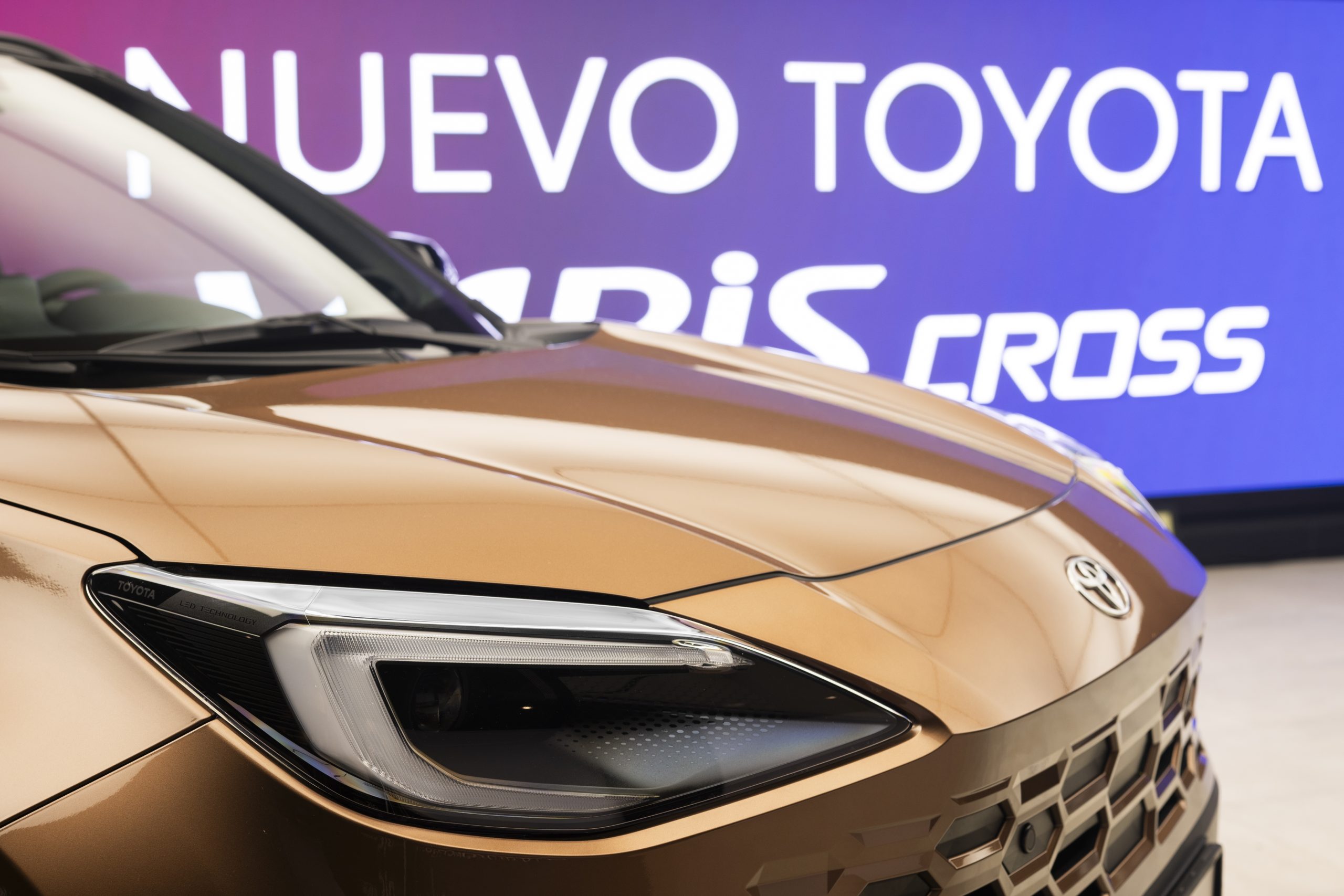
2026 comparison of the 6 urban hybrid SUVs with ECO label and official list prices below €35,000, with real-world WLTP consumption and technical specifications for each model. Toyota, Hyundai, Kia, Renault, Honda and Suzuki put to the test.
The urban hybrid SUV has become the default choice for those who live in the city, make short trips during the week and don’t want the hassle of plugging in. Neither pure petrol nor fully electric with range anxiety: something in between that reduces consumption without changing habits. And with the DGT ECO label, which in some city councils already makes the difference between parking easily or not being able to enter the city centre.
We have reviewed the official 2026 price lists to select six models that do not exceed €35,000, all with ECO label and verifiable WLTP homologated consumption data. It is not a closed or definitive list — the market moves every quarter — but in our view it does represent the best of each brand in this specific segment.
Why the urban hybrid SUV dominates sales in Spain in 2026
Just look at the registrations: the conventional hybrid (HEV) has been growing at double-digit rates for several years, while diesel has fallen to minimal levels in compact cars. The reason is simple. In the city, a well-designed HEV can run in pure electric mode for much of the journey thanks to a battery that recharges itself, without going through a plug. The result: real-world urban consumption that often drops below 5 litres, something no naturally aspirated petrol engine achieves today.
What the ECO label is and why it matters in everyday life
The DGT ECO label is awarded to hybrids (HEV and PHEV), gas-powered vehicles and some mild hybrids that meet certain emissions thresholds. It is not the Zero label of pure electric cars, but it does grant access to real benefits: free or discounted parking in SER zones of several capitals, unrestricted circulation during high-pollution episodes and, in some cases, discounts on insurance or urban tolls. For those who live in the city, it is no minor detail.
Methodology: how we selected these 6 models
The criteria were threefold: official 2026 list price below €35,000 in its entry-level hybrid version, valid ECO label and WLTP consumption data published by the manufacturer. We ruled out plug-in hybrids — those already have their own ranking on Highmotor — and kept one model per brand to avoid redundancies.
2026 ranking: the 6 urban hybrid SUVs with the best ECO label and real-world consumption
1. Toyota Yaris Cross Hybrid — from €27,050
The best-selling in its category, and deservedly so. Toyota has spent two decades refining its HEV system and it shows: it is probably the lowest-consuming model in the segment in real urban use.
| Power (kW) | Power (CV) | Consumption | Label | Fuel |
|---|---|---|---|---|
| 96 kW | 130 CV | 4.5 l/100 km | ECO | Hybrid |
2. Hyundai Kona HEV — from €27,900
The Kona hybrid outperforms the Yaris Cross in power and keeps consumption very tight. Its bolder design suits buyers who don’t want a bland SUV.
| Power (kW) | Power (CV) | Consumption | Label | Fuel |
|---|---|---|---|---|
| 101 kW | 138 CV | 4.6 l/100 km | ECO | Hybrid |
3. Kia Niro HEV — from €30,300
Of the six, the Niro is the one that best balances boot space and dynamic behaviour. It is clear it shares its platform with the Kona, but Kia has refined steering feel and acoustic insulation a notch above.
| Power (kW) | Power (CV) | Consumption | Label | Fuel |
|---|---|---|---|---|
| 101 kW | 138 CV | 4.5 l/100 km | ECO | Hybrid |
4. Renault Captur E-Tech full hybrid — from €27,500
Renault’s E-Tech system is, to my taste, one of the most interesting on the market thanks to its architecture without a conventional clutch. In the city this translates into smooth gear changes and a start almost always in electric mode.
| Power (kW) | Power (CV) | Consumption | Label | Fuel |
|---|---|---|---|---|
| 117 kW | 160 CV | 4.4 l/100 km | ECO | Hybrid |
5. Honda HR-V e:HEV — from €29,600
Honda opts for an e:HEV system that prioritises electric propulsion almost all the time, with the combustion engine acting more as a generator than as direct drive. It is debatable whether it justifies its somewhat higher price compared with the Captur, but the driving feel is different, smoother.
| Power (kW) | Power (CV) | Consumption | Label | Fuel |
|---|---|---|---|---|
| 96 kW | 131 CV | 5.4 l/100 km | ECO | Hybrid |
6. Suzuki S-Cross Hybrid — from €26,800
The most affordable after the Yaris Cross, and with optional all-wheel drive, something no other model on this list offers as standard. Its consumption is the highest in the group, but it remains noticeably lower than an equivalent petrol.
| Power (kW) | Power (CV) | Consumption | Label | Fuel |
|---|---|---|---|---|
| 85 kW | 116 CV | 5.1 l/100 km | ECO | Hybrid |
Comparison table: the 6 urban hybrid SUVs at a glance
| Model | Price from | Power (CV) | Consumption | Label | Score |
|---|---|---|---|---|---|
| Toyota Yaris Cross Hybrid | €27,050 | 130 CV | 4.5 l/100 km | ECO | 9.2/10 |
| Hyundai Kona HEV | €27,900 | 138 CV | 4.6 l/100 km | ECO | 8.8/10 |
| Renault Captur E-Tech full hybrid | €27,500 | 160 CV | 4.4 l/100 km | ECO | 8.7/10 |
| Kia Niro HEV | €30,300 | 138 CV | 4.5 l/100 km | ECO | 8.6/10 |
| Suzuki S-Cross Hybrid | €26,800 | 116 CV | 5.1 l/100 km | ECO | 8.0/10 |
| Honda HR-V e:HEV | €29,600 | 131 CV | 5.4 l/100 km | ECO | 7.9/10 |
Plan Auto+ aid and real cost of ownership
All six models are, in principle, eligible for the Plan Auto+ aid, although the exact amount and requirements should always be checked on the official website before signing, as they change fairly often. What is stable is the fuel saving: with consumption between 4.4 and 5.4 litres, the cost per kilometre in the city drops noticeably compared with a conventional petrol car in the same category.
Which to choose according to your daily use
If your priority is spending as little as possible on fuel, the Yaris Cross wins hands down. If you want more power and a design that stands out, the Kona or the Niro fit better. And if you need all-wheel drive because you live in a mountainous area, the S-Cross is by far the only option on this list. We have discussed these nuances in more detail in our guide to choosing an urban hybrid SUV, where we look at manoeuvrability and turning radius, something we have only touched on briefly here.
Our verdict
None of the six is perfect. The Honda convinces with smoothness but not with price; the Suzuki is the most versatile but the one that consumes the most. If we had to choose just one for purely urban use, the Toyota Yaris Cross remains the benchmark of the segment in 2026, although the Captur from Renault is hot on its heels with a mechanical proposition that, in practice, convinces almost as much. For those coming from a larger family SUV who want to compare sensations, our test of the Toyota RAV4 against the Honda CR-V illustrates well how the hybrid approach changes when the car grows in size.
Frequently asked questions
What is the cheapest urban hybrid SUV with an ECO label in 2026?
The Toyota Yaris Cross Hybrid, with a list price from €27,050, is the cheapest of the six models analysed that keep an ECO label and homologated consumption below 4.5 litres.
Do all HEV hybrids have an ECO label in Spain?
Yes, non-plug-in hybrids (HEV) automatically receive the DGT ECO label as long as they meet the emissions thresholds in force, with no additional procedure required from the buyer.
Is it worth paying more for a hybrid SUV than a petrol one?
In frequent urban use, yes, it pays off over the medium term thanks to lower consumption and the benefits of the ECO label in restricted zones. In mainly motorway use, the difference is largely diluted.
What is the difference between an urban hybrid SUV (HEV) and a plug-in hybrid (PHEV)?
The HEV is not plugged in; it recharges its battery through regenerative braking and the engine itself. The PHEV does plug in and offers real electric range, but its prices are higher and fall outside the range of this ranking.
Technical specifications of the cars in this article

 Kia offers an electric range of 10 models, 50 versions and 400 possible combinations
 The seven finalists for the 2027 European Car of the Year (COTY) are exclusively electric
 Peugeot E-208 GTi: a battery-powered toy that revives the spirit of the 1980s sports cars
Deja un comentario