A new battery that can be charged in 5 minutes: the future of electric cars?
 Victor Alós Yus @sepelaci
17 May 2017
2 min.
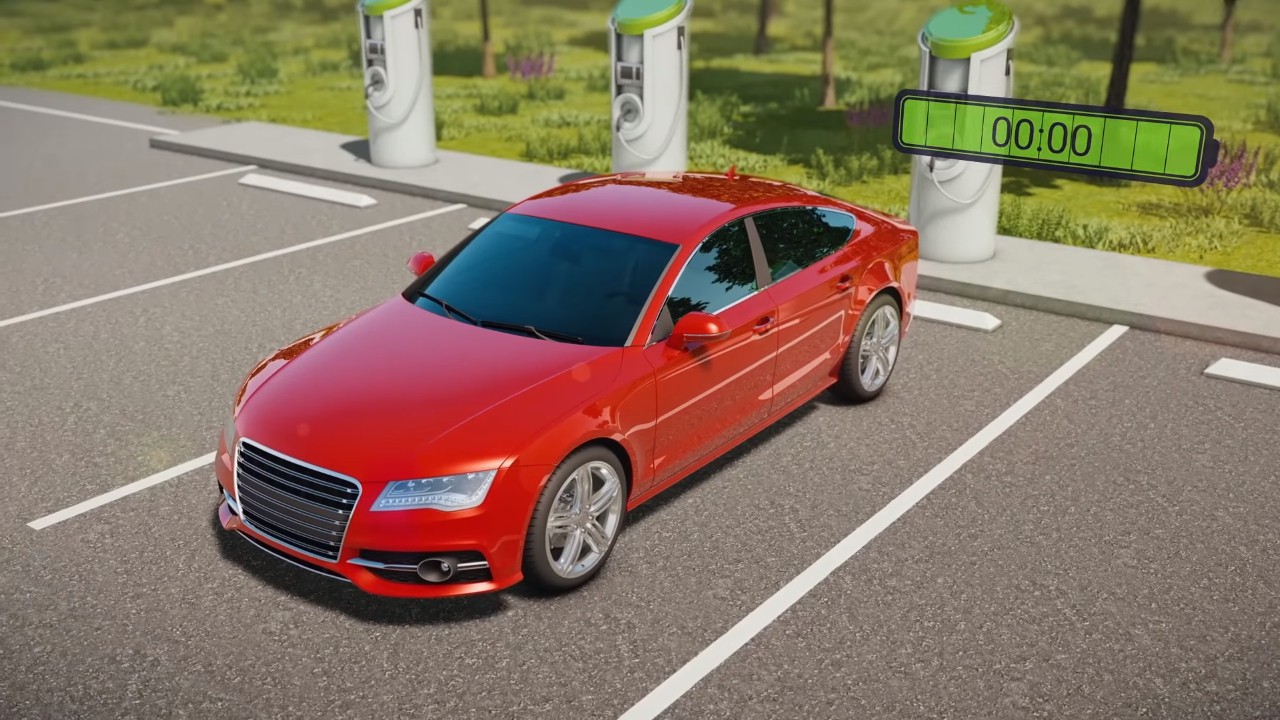
With this device, which uses a technology developed by the Israeli company, this battery can be recharged in a time of five minutes
Electric cars have been around us for a long time now. But even though the technology is increasingly common and we know that the coming years will bring significant developments in this regard, there are a number of problems related to electric cars that make it difficult for this technology to become widely used. One of those problems is the price, which remains very high compared with other types of fuel. The other is the time a battery needs to be recharged.
A fast-charging technology has emerged that can considerably reduce that charging time, but that is not enough. For this reason, manufacturers are looking for ways to make the time needed to charge the battery as short as possible. One of those solutions could be the FlashBattery presented by the company StoreDot, which was unveiled at the CUBE Tech Fair in Berlin.
This battery could charge in a maximum time of five minutes, which would immediately make electric mobility much more attractive. You only need to connect it to the power grid and you would get an immediate charge in a very short time. To achieve this, the company says it has used a series of layers of nanomaterials and patented organic compounds that allow energy to be stored quickly.
Unlike the lithium-ion batteries used in many electric cars today, it does not use graphene, a material that does not allow fast charging and could hinder the charging process. There is not much data about how the battery is designed, but it is known that it has a very effective charging system, combining 40 units to form the battery. In addition, it is connected to a battery management system, which performs the functions needed to manage charging and the power supply to the motor.
The data provided indicates that this battery has a range of up to 482 km and that it is in a fairly advanced stage of development. This means we will possibly have this battery ready to be fitted to several electric models within a maximum of three years. Will this be the signal manufacturers need to launch an extensive range of electric cars? If it delivers what it promises, we are in for some very busy years in the world of electric mobility.
https://youtu.be/ZkMMxmPfWVA
Via | Engadget


 Peugeot E-208 GTi: a battery-powered toy that revives the spirit of the 1980s sports cars
 New Lexus ES: luxury grows and goes electric
 First contact with the Dacia Sandero Hybrid 155: power and efficiency from €19,890
Deja un comentario