Buying guide: What are the differences between an electric car, a hybrid, a plug-in hybrid and a mild hybrid?
 Miguel Lorente
24 November 2018
9 min.
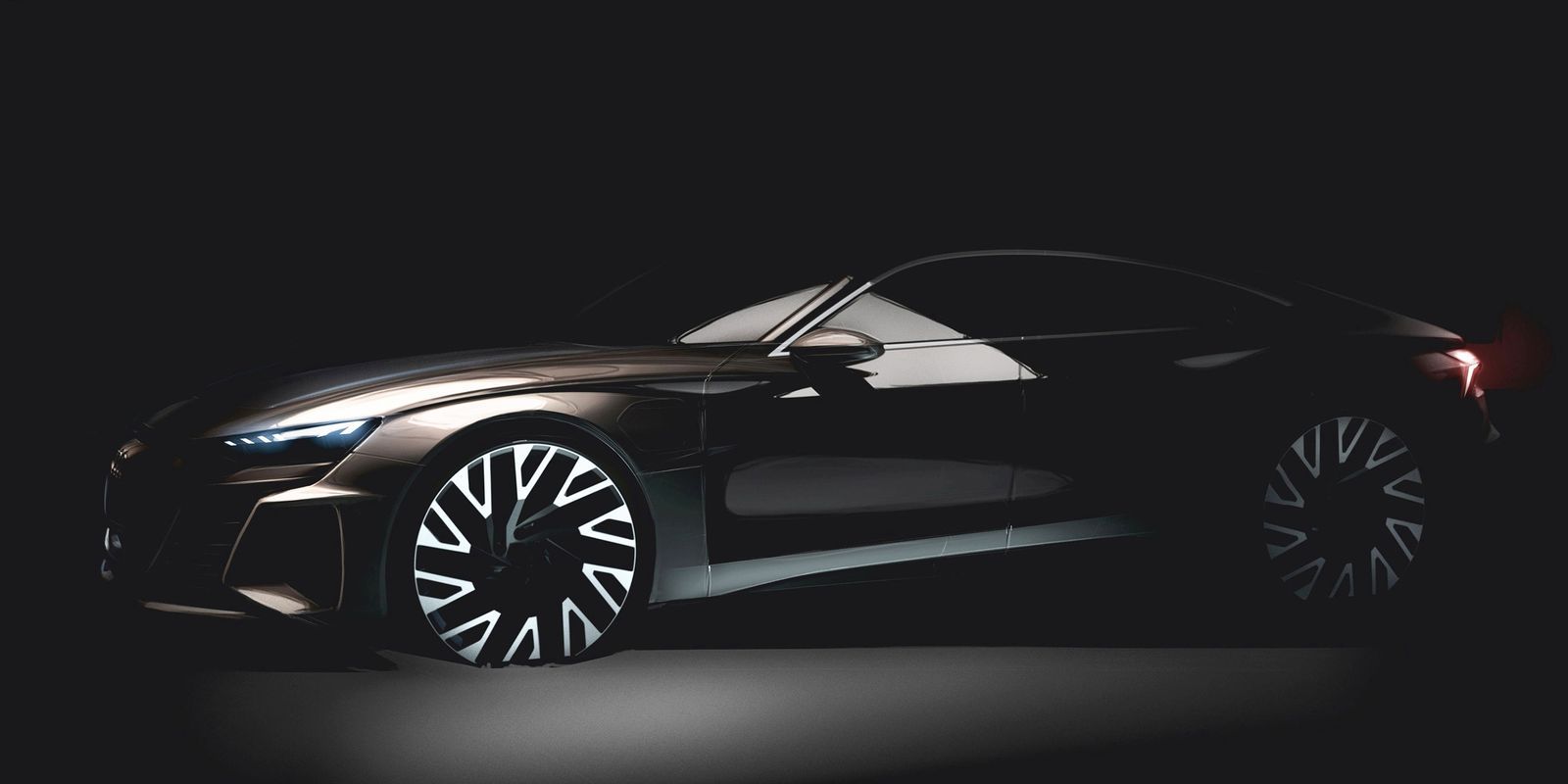
The car industry is at a complex crossroads, a turning point towards a new era in which electrified vehicles will be the protagonists
The upcoming regulations which, at national level, have set two deadlines for cars with traditional engines on the horizon of 2040 and 2050, are merely the confirmation of what, at regional and, above all, local level, authorities are forcing us to consider: electrified vehicles as the priority option for private transport.
Environmental measures are putting pressure on technology based on internal combustion engines, those that need fossil fuels and that, for more than a century, have given drivers the freedom to move about with the car with greater or lesser liberty. This freedom could become even more limited unless we bring ourselves to give up cars with petrol or diesel engines in favour of electrified vehicles.
That is why, especially if you are thinking of changing or buying a new car, knowing the different types of electrified vehicles is essential.
What is an electrified vehicle?
Depending on the type of energy a car uses to move, we distinguish between electric cars and hybrid cars.
The electric car is a 100% electrified vehicle, meaning that all the energy it consumes, both in its motor and in the rest of its secondary systems and equipment, comes exclusively from electricity.
The hybrid car differentiates between hybrid vehicles supported by an electric system. In addition, hybrid cars can be self-charging or rechargeable, better known as “plug-in hybrid cars” or PHEV from the English “Plug-in Hybrid Electric Vehicle”
Electric cars
Electric cars have motors that transform the electrical energy stored in their batteries. They store all the electricity they will be able to consume during use, and can be recharged during journeys, but they never regenerate at the same rate as they consume it.
They are recharged at electrical grid stations, and it takes a long time to fully charge the battery or, at least, to reach a minimum range that allows them to continue their journey temporarily until they can be fully recharged.
Currently, the average charging time for an electric car battery is around eight hours, and the range is struggling to exceed 400 km, although work is already underway on both charging and storage systems that offer shorter charging times, around 15 minutes, and a greater available starting distance, above 600 km.
The best-selling electric cars on our streets are from one of the pioneers of the current electric era, the Nissan Leaf, whose second generation is already on sale, all the way to the luxury electric saloon that sold the most in 2017, the Tesla Model S.
Other brands, both mainstream and high-end, are already preparing their 100% electric cars for the coming months. For example, from Asia comes the Hyundai Kona Electric, the Korean brand’s strongest bet on electric vehicles. From Europe, Opel has reinvented the Ampera and, in addition to changing its name by adding a letter, it is now the Opel Ampera-e, converting the hybrid saloon based on the Insignia into an electric MPV. For the Porsche Taycan there is already a good fleet of test vehicles around the world finalising details before entering mass production. In an earlier phase is the Aston Martin Rapide E, and Jaguar will deliver the first units of its electric SUV, the Jaguar I-Pace, in 2019, while the Audi e-tron has had its delivery delayed by a few months due to software problems. And let’s not forget models that were a rolling laboratory, like the BMW i3, which may be nearing the end of its commercial life.
All electric cars enjoy the DGT Zero label.
Hybrid cars
Hybrid cars have entered our lives without us noticing, or perhaps we did. They have multiplied on our streets as an alternative to diesel cars thanks to their moderate consumption and performance that is sometimes superior to their diesel equivalents.
But we cannot forget that, in a hybrid car, the main engine is the combustion engine, and the electric system supports this engine directly or the mechanical unit, which is normally petrol, thus reducing consumption.
The fuel burns and releases energy that drives the wheels and, in addition, thanks to an electricity generator, the hybrid car recharges the electrical energy partially, thanks to the work of the inverter located on the gearbox during descents or situations of deceleration or speed reduction.
That energy is stored again to be used, usually at moments such as starting the vehicle or powering ancillary systems, but it never affects the transmission shaft.
The software of the car’s central control unit or ECU manages, independently of the driver, whether or not the electric system is used. Only some models can activate EV mode (100% electric), with a few kilometres of purely electric range and a maximum speed that will not exceed 50 km/h.
The fossil fuel unit is always available depending on driving conditions, and the electric unit only intervenes at specific moments. This means that the range depends fundamentally on the fuel available, since once the electric battery is depleted, the car will inexorably run on the petrol or diesel in its tank.
European premium brands such as BMW have already announced the expansion of their hybrid range; the new BMW M340i, a hybrid version of the next generation of the BMW 3 Series, the BMW 330e, has recently been presented. Their German neighbours at Mercedes-Benz have opted for what is called EQ Boost technology in models such as the new Mercedes-Benz CLS S560.
Hybrid SUVs are one of the main targets because, given their market share, they represent a very appealing and priority niche, which is why every brand is working on a hybrid crossover, from best-sellers like the Toyota C-HR to its genetically related sibling, the new Lexus UX 250h, which already has delivery delays for the first units produced due to the high demand for hybrid car sales that we are experiencing today.
Rechargeable hybrid cars or PHEVs
Hybrid cars can have self-charging electrical systems or additional external charging, known as plug-in hybrid cars. These can regenerate their energy in the same way as a hybrid car and, in addition, can obtain it from the fixed electrical grid.
Plug-in hybrid cars, in addition to regenerating electrical energy in the same way, have another source that is charged from the electricity supply of the grid.
They have a second battery, therefore a greater stored energy volume and, consequently, greater electric range to use, offering a greater range in EV mode, around 50 or 60 km, and reaching higher maximum speeds of up to 130 km/h in electric mode.
Undoubtedly, one of the pioneers and best representatives of these plug-in hybrid cars is the Mitsubishi Outlander PHEV; other manufacturers have also set their sights on this and other segments.
From Korea, the Hyundai Ioniq arrives both as a hybrid and as an electric version to rival the benchmark Japanese car: the Toyota Prius Plug-In Hybrid, a vehicle that has been the standard-bearer of hybrid cars, both in its self-charging version and in the PHEV variant.
And we must not be fooled: there are as many high-end hybrid vehicles as modest ones, or we could even talk about cheap hybrid cars that we can afford without tearing our hair out, forgetting, at least for now, the problems involved in having or not having one of the famous DGT stickers or labels.
Hybrid cars and DGT labels
Hybrid cars qualify for the DGT ECO or Zero label depending on their electric range: if it is greater than 40 km, and they have been popularised thanks to sectors such as the taxi drivers, who saw in models like the Toyota Prius Hybrid an ally in their work.
Mild hybrid cars
We cannot leave aside another group, those marketed under the commercial classification of light hybrid cars or mild hybrids.
We already explained in an article why mild hybrid cars are not really hybrids. Even so, here is a summary: they are cars with a traditional engine and an electric battery with a greater capacity than is usually installed. This allows the generator, while the engine does its job sending energy to the wheels, to recharge this electric battery as usual.
The electrical energy independently powers systems such as the starter or accessories (lighting, infotainment, air conditioning, etc.), which in traditional situations would result in extra consumption while the engine is already using fuel intended for the wheels.
Some of these “mild-hybrid” cars carry a DGT ECO label, because they meet the regulations that allow it, for example, as we explained in our article with the test of the Audi Q8.


 Peugeot E-208 GTi: a battery-powered toy that revives the spirit of the 1980s sports cars
 New Lexus ES: luxury grows and goes electric
 First contact with the Dacia Sandero Hybrid 155: power and efficiency from €19,890
Comentarios cerrados