China introduces new regulations on autonomous driving systems
 Javier Cantagalli
27 February 2026
3 min.
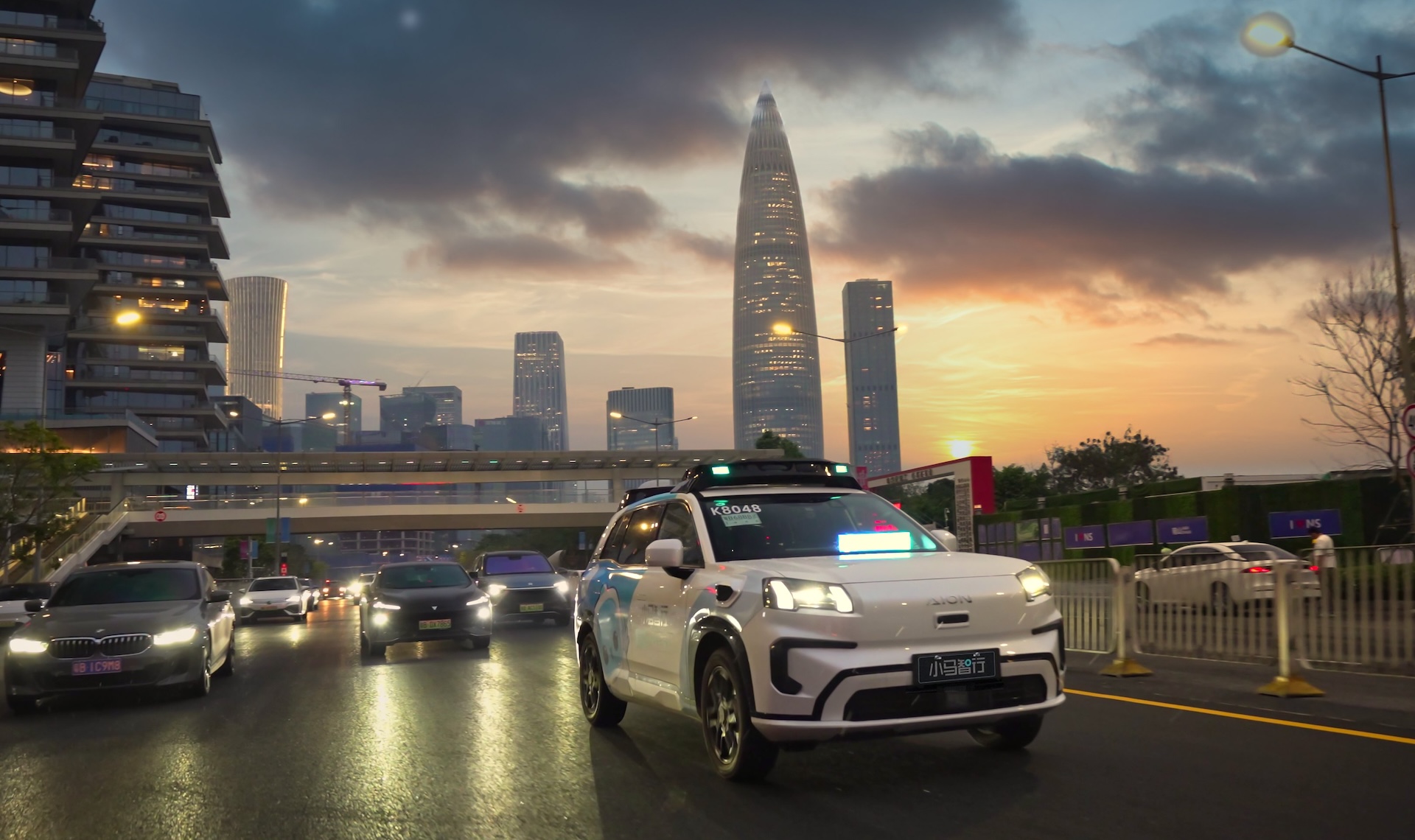
China is tightening safety standards for Level 3 and Level 4 autonomous driving, requiring such systems to be capable of matching or exceeding the capabilities of a qualified and attentive human driver.
China’s Ministry of Industry and Information Technology, better known by the acronym MIIT, has recently unveiled a draft of new regulations that set out the mandatory safety requirements that autonomous driving systems must meet in the country. If it is ultimately approved, it is scheduled to take effect on 1 July 2027. It is important to note that these provisions specifically refer to vehicles with SAE Level 3 and Level 4 autonomous driving systems.
These new rules will replace the voluntary guidelines approved in 2024, making mandatory standards that will also become considerably stricter. Still at the draft stage, car manufacturers and other stakeholders have until April to submit their comments and suggestions.
The fundamental principle of these new regulations is that any vehicle with a Level 3 or Level 4 driving system must achieve, at a minimum, the same level of safety as a qualified and attentive human driver, without creating unacceptable risks for occupants or other road users.
Regulations for vehicles with Level 3 autonomous driving systems
In the case of Level 3, which requires the human driver to be ready to take control of the vehicle within a short period of time, these regulations impose strict controls. The vehicle must constantly monitor the driver’s ability to intervene through sensors and biometric data, verifying that the driver is not asleep or absent from the seat. Before activating the system for the first time, the manufacturer must demonstrate that it has provided the user with adequate training or instructions.
If the driver does not respond within the established time or is unable to take over – for example, due to loss of consciousness – the vehicle will automatically activate a Minimum Risk Maneuver (MRM), which will involve changing lanes if necessary, stopping in a safe place without obstructing traffic, and minimising dangers for everyone involved. During the maneuver, hazard lights will be activated and acoustic, visual or haptic alerts will be maintained for the driver until a safe state is reached.
Restrictions for Level 4 autonomous vehicles
On the other hand, with Level 4 advanced autonomous driving systems, the vehicle must drive without human intervention within the defined operating conditions, although remote assistance from a control centre is permitted, as already happens with some robotaxi services. In addition, these vehicles will have to give priority to emergency services such as police, firefighters or ambulances and allow communication with the authorities.
Another important requirement is the mandatory installation of a data recording system for automated driving (DSSAD), similar to an aircraft’s black box. This device will record relevant information before and during an incident, facilitating accident investigation and oversight by the authorities.
With this new regulation, China seeks to consolidate a solid legal framework that drives the safe development of autonomous driving, particularly raising the requirements for Level 3 and strengthening traceability in the event of a collision.


 Peugeot E-208 GTi: a battery-powered toy that revives the spirit of the 1980s sports cars
 New Lexus ES: luxury grows and goes electric
 First contact with the Dacia Sandero Hybrid 155: power and efficiency from €19,890
Deja un comentario