Do you remember Nikola, the truck manufacturer with hydrogen fuel cell technology? It's bankrupt
 Victor Alós Yus @sepelaci
23 February 2025
2 min.
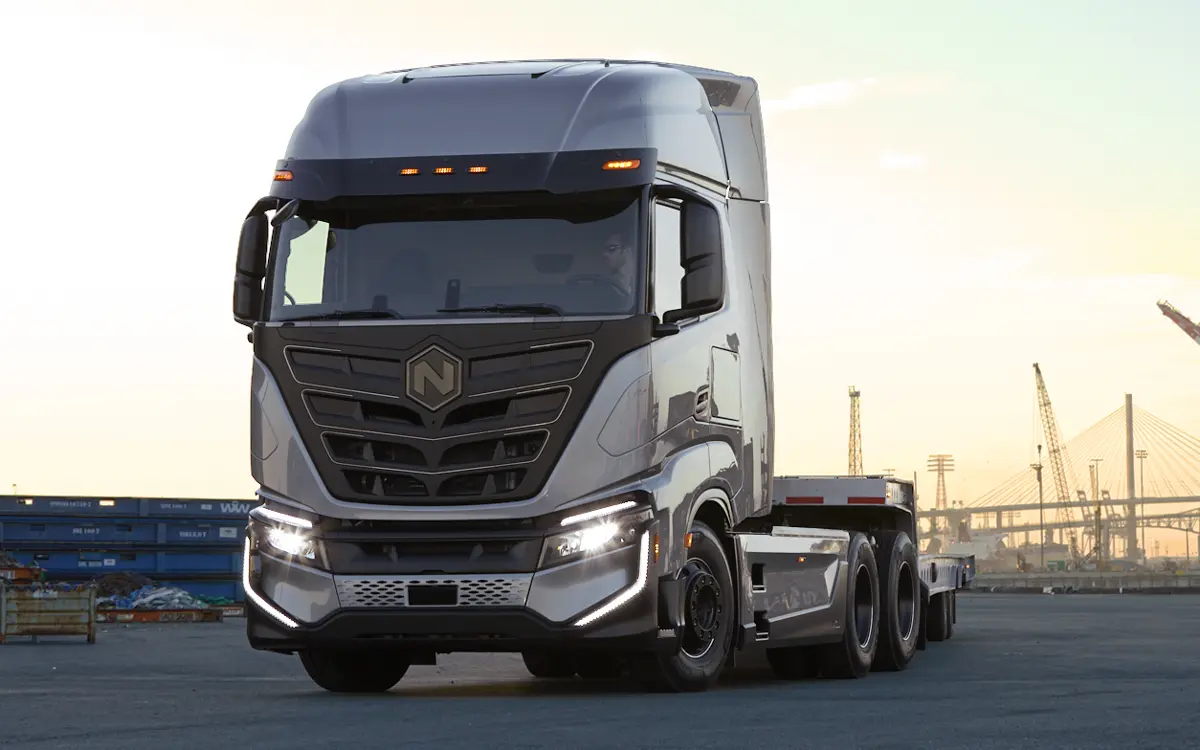
Nikola went from being one of the most important and valued companies in the market, despite not manufacturing vehicles, to going bankrupt and disappearing
The arrival of electric mobility has led to the emergence of many brands dedicated to the development and manufacture of electrically powered vehicles. But not all have managed to stay in the market, and they have run into serious financial problems. Many of them, although they had their moment of glory, have fallen into a situation of bankruptcy from which they will hardly recover. One of those brands is Nikola.
With a name meant to show it would be as powerful as Tesla, it developed several trucks powered by hydrogen fuel cells, but it has failed to get the market to take notice of it, at least not positively. After several years in which its revenues were at their lowest, during January its shares fell 95%.
Furthermore, its founder has been sentenced to four years in prison for fraud. The company wants to liquidate its assets, which it values at between 500 and 1,000 million dollars. By contrast, its liabilities, the amount it owes, are valued at between 1,000 and 10,000 million dollars, so the imbalance is quite significant.
Nikola excuses itself by saying that the company has gone through several global problems that slowed the rollout of hydrogen-powered trucks, and this hurt its progress in the heavy road transport market.
A promising start
Nikola represents that boom of electric vehicle promoters that were supposed to make a difference at the time. Nikola’s share price even came to exceed that of Ford, although it had not yet manufactured a single vehicle. When it managed to put its first electric vehicles on the market, many problems came to light, such as unexplained fires and component failures.
The partnership with GM enabled the development of the Badger pickup, which never reached production. This pickup was to have a drivetrain based on a fuel cell, which would have given it a range of up to 900 kilometres.
This is another company that sought to propose solutions to promote sustainable mobility, but it used information that was not true to project an image of being more advanced than it really was. Thus, it has remained a promise and a warning to anyone who wants to bet on a company newly arrived in the electric mobility market. One should not bet on them without having all the information and precise data about what they are offering.


 Peugeot E-208 GTi: a battery-powered toy that revives the spirit of the 1980s sports cars
 New Lexus ES: luxury grows and goes electric
 First contact with the Dacia Sandero Hybrid 155: power and efficiency from €19,890
Deja un comentario