Fuel consumption comparison Peugeot 208 electric vs petrol: when does electric make sense?
 Antonio Roncero @roncero_antonio
20 July 2022
6 min.
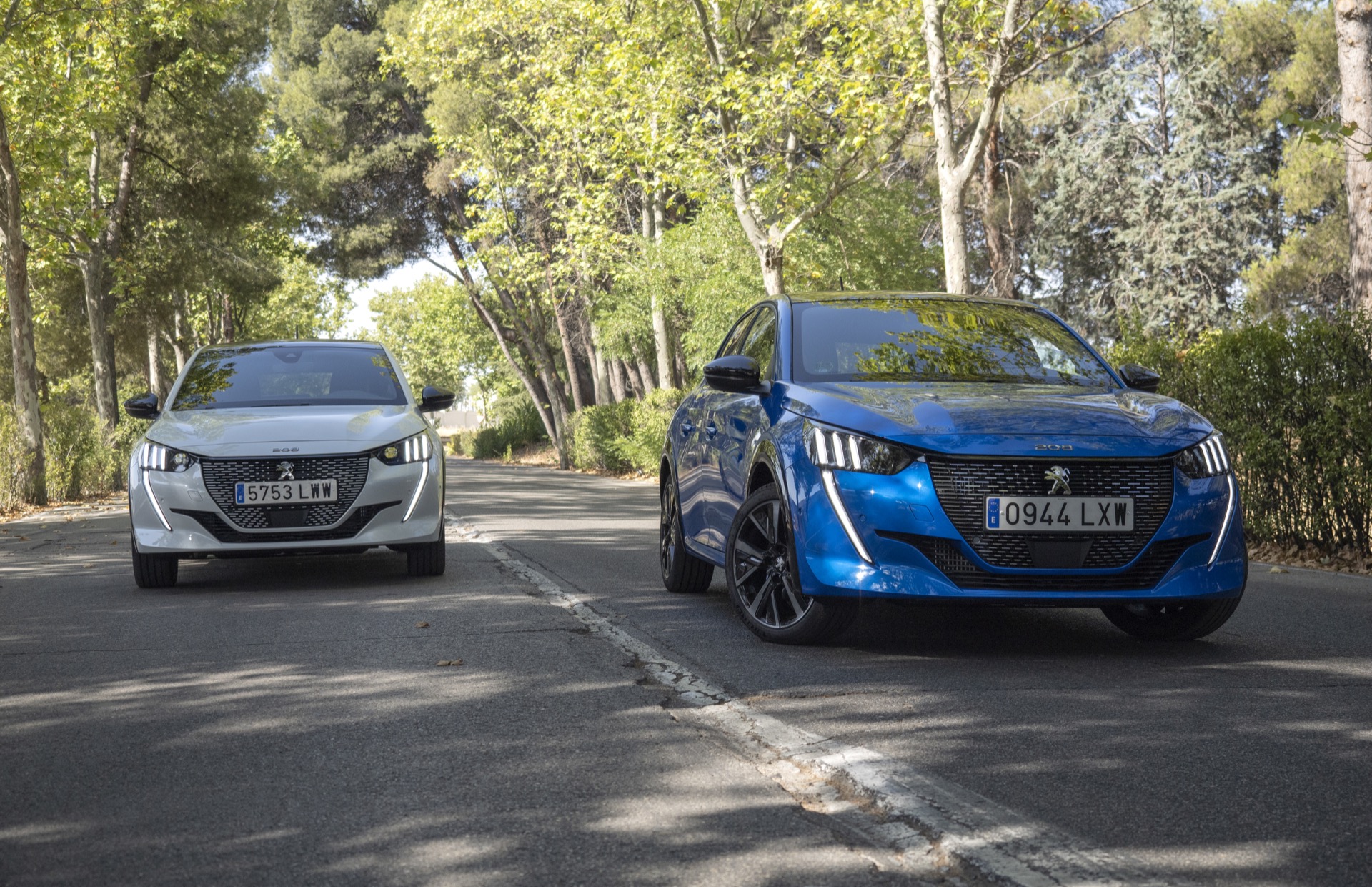
We analyse the cost of electricity and fuel to cover 100 km with an Peugeot e-208 electric compared with the equivalent petrol version, and these are the conclusions.
The electrification is unstoppable. Sooner or later you will have to make the switch to electric mobility, for the simple reason that all manufacturers are already engaged in plans to stop selling models with combustion engines, as European Union regulations will require.
If everything goes according to plan, the sale of new petrol or diesel cars will be banned from 2035. Some brands have also announced that they will only present new models with electric motors well before then. But until the moment arrives when we all “plug in”, which will depend to a large extent on how public charging infrastructure grows in the short term, the reality is that acceptance of electric cars remains very low in countries such as Spain.
Electric or petrol? The choice does not depend only on consumption
However, the rise in fuel prices in recent months is leading more users to ask themselves what real savings they can achieve with an electric car. Peugeot wanted to look into this matter in depth by comparing its Peugeot e-208 with the equivalent version with a petrol engine, with interesting results that a user should take into account, as we will see.
The fact is that, once range is no longer the main problem -with the latest update, the Peugeot e-208 is rated at over 360 km under the WLTP standard-, the price is one of the decisive factors when choosing an electric car. In the case of the e-208, the difference with an equivalent version in equipment and power, such as the petrol 208 Puretech with 130 CV and automatic gearbox, is around 10,000 euros.
But it must be borne in mind that the purchase grants for electric cars under the Moves Plan already offset much of that difference. From there, other arguments in favour of the electric car come into play, beyond each person’s ecological awareness, which may or may not end up paying off the price difference: ease and pleasure of driving an electric car, advantages of the CERO label, lower maintenance… and the low cost of use considering consumption and the price of electricity compared with cars with combustion engines. It is in this last section that there is the greatest difference… and the greatest lack of knowledge.
The electric car makes sense… depending on where you charge
And one thing must be clear: the prices of charging an electric car vary greatly depending on whether you charge at home or at public charging points, and also depending on the tariff or plan contracted. And they vary to the point that covering 100 km with an electric car such as the Peugeot e-208 can turn out to be… up to 25 times more expensive between charging at home on a low tariff or doing so at a public fast-charging station!
Logically, in the first case, covering 100 km with an electric car works out much cheaper than doing so with a combustion-engine car, whether petrol or diesel. If your situation is that, in order to have an electric car, you will depend on public charging points and often need to use fast charging, then the equation turns totally unfavourable for the electric car.
These are the figures according to the study carried out by Peugeot, taking into account electricity and fuel prices as of June and the homologated combined-cycle consumption of each car:
- Electric car costs with private charging
Between 0.03 and 0.31 €/kWh
Between 0.5 and 3.6 €/100 km - Electric car costs with public charging
Between 0.20 and 0.79 €/kWh
Between 3.4 and 13.6 €/100 km - Petrol car costs: 11.6 €/100 km
- Diesel car costs: 7.6 €/100 km
As can be seen, the range of prices for charging an electric car is very wide, depending on where and how the charging is carried out: fully recharging the battery of the Peugeot e-208, which has a capacity of 50 kWh, can cost 1.5 euros (the cheapest tariff at home during off-peak hours), or almost 40 euros at the prices charged by Ionity, for example.
If we stick to the most unfavourable case of private charging at home, without a particularly advantageous tariff, the cost of covering 100 km with a Peugeot e-208 is about 3.5 euros, whereas with a Peugeot 208 diesel we would need more than double that… and almost three times as much in the case of the petrol version. Even using the public charging network, where the e-208 battery can be charged for around 10 euros at a power of 22 kW (although one must wait about two hours to reach 80% of its capacity), the energy cost saving per kilometre driven is very favourable to the electric car.
Are you electro-compatible?
At the day that Peugeot organised for us we were able to check part of this maze of figures on a route of about 100 km (there and back) to the Madrid mountains, departing from and ending at the Stellantis facilities in Villaverde, driving a Peugeot e-208 and a petrol 208 Puretech. The electric e-208, which has the performance of a genuine GTI, once again showed its magnificent dynamic qualities and a pleasure of use that not even the brand’s splendid petrol engine can match.
Driving efficiently and at the pace of traffic, it is possible to achieve consumption of around 18 kWh/100 km with ease. This would allow a user who made that journey daily to save 5 euros each day compared with the petrol 208, charging at home -they could even do so every two days- and without a special tariff, with still more room to widen that advantage considerably.
That said, before deciding to buy an electric car, you must be clear that you are “electro-compatible”. This means, first of all, having the possibility of charging the car at home, with whatever type of tariff. Today, buying an electric car and relying only on public charging is very risky, unless you are sure you can charge easily at work or near your home.
In addition, you must be prepared to “manage” everything that comes with owning an electric car, using digital tools that will help you live day to day with your car, usually through apps and a smartphone, although it is something we are all more or less used to. In this case it means, for example, controlling the charging process or managing payment at public charging points, accessing mobility services… or booking a combustion car when the time comes to go on holiday and the infrastructure still does not allow you to do so with your electric car.
Image gallery Peugeot e-208 vs Peugeot 208 petrol
Technical specifications of this car


 Peugeot E-208 GTi: a battery-powered toy that revives the spirit of the 1980s sports cars
 New Lexus ES: luxury grows and goes electric
 First contact with the Dacia Sandero Hybrid 155: power and efficiency from €19,890
Deja un comentario