Astra Born Cupra E-308 ID.3 Megane Opel Peugeot Renault Volkswagen Electric Cars Compact Buying Guides
How to Choose an Electric Compact in 2026 Without Exceeding €35,000: Usable Range, Charging and Equipment
 Iván Navarro
3 September 2026
7 min.
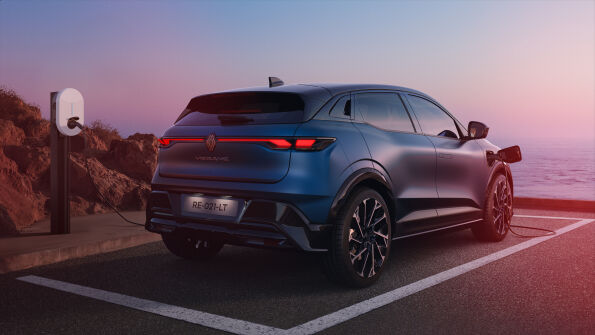
2026 buying guide for choosing an electric compact for less than €35,000 in Spain, with verified WLTP range, charging curve and equipment by usage profile.
The electric compact is no longer a promise. In 2026, and with the €35,000 ceiling as a realistic border after applying the Plan Auto+, the offer in Spain covers almost any driver profile: from the city dweller who charges on the street once a week to the user who drives 300 km of motorway every fortnight. The question is no longer whether there is an electric compact for that money, but which one is worth it.
The segment features very different players: European manufacturers with dedicated platforms, Chinese proposals that compete on price and equipment, and generalists from the Stellantis group that share mechanics but differ in bodywork. This guide deliberately leaves out BYD —the aim here is not to crown a single leader, but to draw a useful map by usage profile— and also the Nissan Leaf, a model with undeniable historical merits but which, in our view, has fallen behind the new generation in usable range, charging curve and digital experience. With that clarified, let’s move on to those that do make the cut.
What “usable range” means in 2026
WLTP remains the official benchmark, but it needs translating. A compact homologated at 400 km delivers, in real life, between 300 and 340 km if the mix is urban and gentle interurban. On the motorway at 120 km/h in winter, the drop approaches 30-35%. That is the figure that matters when you plan a journey.
Our criterion at Highmotor: below 350 km WLTP, the car is a second urban vehicle. Between 350 and 450, it serves mixed use. From 450 onwards, it works as a sole car for those who travel occasionally.
Fast charging: the figure almost nobody looks at properly
Peak power in kW sells headlines, but the useful metric is the 10-to-80% time and the consistency of the curve. A car that holds a steady 100 kW for twenty minutes is preferable to one that touches 150 kW for two minutes and then collapses. In this segment, it is reasonable to demand at least 100 kW peak and a 10-80% window below 35 minutes.
Essential equipment below €35,000
Heat pump —or its absence is paid for in winter—, 11 kW onboard charger on three-phase, central screen with wireless Android Auto and Apple CarPlay, and an ADAS package with adaptive cruise control and active lane keeping. The rest is garnish.
Citroën ë-C4 — from €29,900
The French car prioritises comfort over performance. Suspension with progressive hydraulic bump stops, high-density foam seats and soundproofing that surprises. Its range sits somewhat below the pack, however, and fast charging does not stand out. It is the compact for those who prioritise comfortable kilometres around town.
| Power kW | Power CV | Top speed | WLTP range | Consumption | Label | Fuel |
|---|---|---|---|---|---|---|
| 115 kW | 156 CV | 150 km/h | 420 km | 15.1 kWh/100 km | ZERO | Electric |
Peugeot e-308 — from €33,500
The Peugeot compact is probably the most balanced in the Stellantis group in this range. Resolved exterior design, i-Cockpit with a compact steering wheel that still divides opinions, and a chassis that is enjoyable through corners without punishing comfort. In our e-308 analysis we detailed its charging curve, and that remains its middle ground: it does the job, though it does not dazzle against those playing at 400 V with more ambition.
| Power kW | Power CV | Top speed | WLTP range | Consumption | Label | Fuel |
|---|---|---|---|---|---|---|
| 115 kW | 156 CV | 170 km/h | 415 km | 15.3 kWh/100 km | ZERO | Electric |
Renault Mégane E-Tech — from €34,000
The Mégane E-Tech is, to my mind, the European electric compact with the best software integration in the segment. OpenR Link with embedded Google resolves navigation better than almost any rival. Sharp chassis, well-integrated flat battery and a driving position that feels premium. The boot, with 440 litres, holds its own in comparison.
| Power kW | Power CV | Top speed | WLTP range | Consumption | Label | Fuel |
|---|---|---|---|---|---|---|
| 160 kW | 218 CV | 160 km/h | 450 km | 16.1 kWh/100 km | ZERO | Electric |
MG4 Electric — from €27,990
The outsider that broke the market. Dedicated platform, rear-wheel drive, balanced weight distribution and a price that forces the rest to react. The interior does not play in the same league as a Mégane —hard plastics where others get the padding right—but for what it costs, it is more than enough. Its 64 kWh Comfort version is what you would look for if budget is the main argument.
| Power kW | Power CV | Top speed | WLTP range | Consumption | Label | Fuel |
|---|---|---|---|---|---|---|
| 150 kW | 204 CV | 160 km/h | 450 km | 16.0 kWh/100 km | ZERO | Electric |
Opel Astra Electric — from €32,900
It shares its platform with the e-308, but with a more restrained aesthetic reading. Sober interior, well-executed Pure Panel digital display, and a driving feel somewhat more neutral than the French car. It is the group’s rational compact: nothing garish, everything does its job. Range falls short if you travel a lot.
| Power kW | Power CV | Top speed | WLTP range | Consumption | Label | Fuel |
|---|---|---|---|---|---|---|
| 115 kW | 156 CV | 170 km/h | 416 km | 15.0 kWh/100 km | ZERO | Electric |
Cupra Born — from €34,500
On the MEB platform, with a sportier chassis tune than its German cousin. Enveloping seats, direct steering and an honest fast charge that peaks around 135 kW. The feel is what sets it apart from the herd: it drives as if it weighed less than it does.
| Power kW | Power CV | Top speed | WLTP range | Consumption | Label | Fuel |
|---|---|---|---|---|---|---|
| 170 kW | 231 CV | 160 km/h | 425 km | 15.5 kWh/100 km | ZERO | Electric |
Volkswagen ID.3 — from €34,900
The ID.3 has earned its place in this guide through hard work, following the latest software updates and a review of interior materials. Its fast-charging curve is among the most consistent in the segment, and rear-seat space stands out thanks to its generous wheelbase.
| Power kW | Power CV | Top speed | WLTP range | Consumption | Label | Fuel |
|---|---|---|---|---|---|---|
| 150 kW | 204 CV | 160 km/h | 435 km | 15.7 kWh/100 km | ZERO | Electric |
Recommendation by usage profile
Intensive urban use with occasional home charging. Citroën ë-C4 or Opel Astra Electric. Comfort, sufficient range and a contained price.
Mixed use with occasional trips. Renault Mégane E-Tech or Volkswagen ID.3. Mature software, solid fast charging and real kilometres when needed.
Frequent traveller below €35,000. MG4 Electric in Comfort version. Unmatched range and price. Cupra Born if driving feel weighs more than the euro.
Summary comparison table
| Model | Price from | WLTP range | Fast charging | Equipment | Score |
|---|---|---|---|---|---|
| Citroën ë-C4 | €29,900 | 420 km | 100 kW | Good | 7.3 |
| Peugeot e-308 | €33,500 | 415 km | 100 kW | Good high | 7.8 |
| Renault Mégane E-Tech | €34,000 | 450 km | 130 kW | Outstanding | 8.7 |
| MG4 Electric | €27,990 | 450 km | 140 kW | Correct | 8.5 |
| Opel Astra Electric | €32,900 | 416 km | 100 kW | Good | 7.4 |
| Cupra Born | €34,500 | 425 km | 135 kW | Good high | 8.3 |
| Volkswagen ID.3 | €34,900 | 435 km | 135 kW | Good high | 8.2 |
Frequently asked questions
Can you buy an electric compact with more than 400 real km for less than €35,000 in 2026?
Yes. The MG4 Electric Comfort and the Renault Mégane E-Tech in its 60 kWh version fall within budget and homologate more than 440 km WLTP, which translates to 320-350 real km in mixed use.
What influence does the Plan Auto+ have on the final price?
The Plan Auto+ is the current framework of public aid for buying electric vehicles in Spain. The exact amount depends on whether an old vehicle is scrapped and on the bracket applicable at the time of registration; it is advisable to check the official website before signing.
Is a heat pump essential?
In peninsular climates with cold winters, yes. It can mean between 10 and 20% less consumption on short trips with heating active. In warm coastal areas its impact is smaller.
Which compact offers the best charging curve below €35,000?
The MG4 Electric maintains a notably flat curve up to 70% battery, and the Cupra Born does likewise with its tuning on the MEB platform. Both complete 10-80% in the region of 28-30 minutes on chargers of 150 kW or more.
Technical specifications of the cars in this article

 Peugeot E-208 GTi: a battery-powered toy that revives the spirit of the 1980s sports cars
 New Lexus ES: luxury grows and goes electric
 First contact with the Dacia Sandero Hybrid 155: power and efficiency from €19,890
Deja un comentario