Avenger C-HR Ford Hyundai Jeep Kona Puma Toyota Electric Cars Comparisons SUV
Hyundai Kona Electric vs. Jeep Avenger Electric: a battle of urban BEV B-SUVs under 40,000 euros
 Iván Navarro
14 November 2026
6 min.
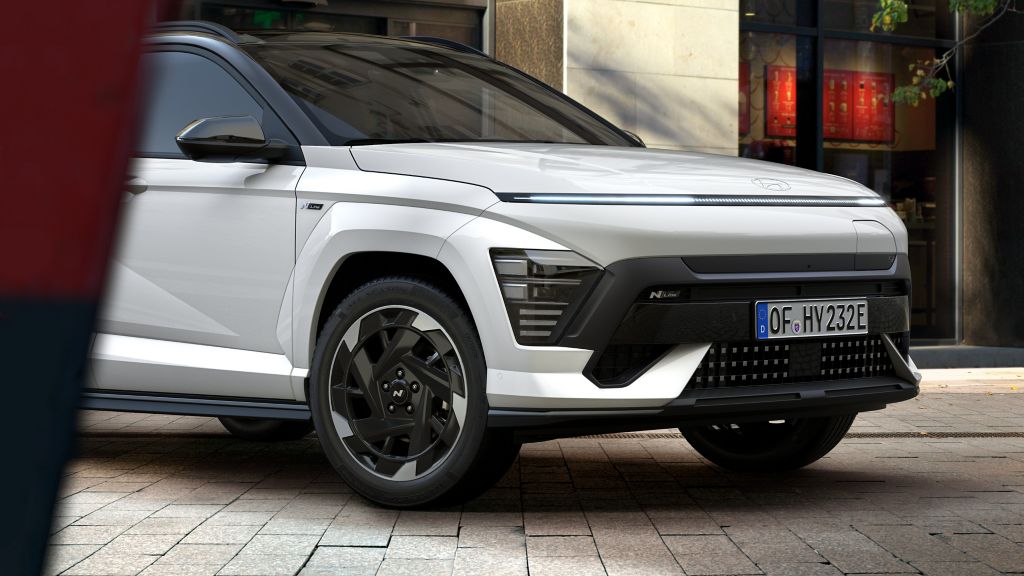
We compare the Hyundai Kona Electric and the Jeep Avenger Electric, two B-SUVs that hover around the psychological 40,000-euro threshold. Range, power and price face to face to help you decide which one makes more sense in everyday use.
There is one number that haunts anyone searching for an electric SUV in Spain: 40,000 euros
. Below it, a car enters most people’s consideration. Above it, it starts to sound like a whim. In that slippery territory move the Hyundai Kona Electric and the Jeep Avenger Electric, two proposals that share B-SUV bodywork and an electric motor, but reach that threshold from opposite directions.
Below the limit. The Kona exceeds it. And that is where the real dilemma begins: is it worth paying more for more range and more power, or is the Jeep setup enough for someone who only needs to get around the city and take the occasional weekend trip?
Before getting into the figures, it is worth remembering something that is often overlooked: the prices we use are the manufacturer’s recommended RRP, without dealer discounts, one-off campaigns or public incentives such as the Plan Auto+, which can bring the final figure down by several thousand euros.
Hyundai Kona Electric, from approximately 45,350 €
The Kona Electric is the plug-in version of the Korean B-SUV we already know well in its hybrid guise, and here it does change category. In its longest-range variant it uses a 160 kW (218 hp) motor and 255 Nm of torque, figures that in a car of this size translate into plenty of push for merging and overtaking. The 65.4 kWh battery allows a homologated range of up to 514 km, with an average consumption of 14.7 kWh/100 km.
| Model | Power | Torque | 0-100 km/h | Top speed | Range | Consumption | Battery | Fuel |
|---|---|---|---|---|---|---|---|---|
| Hyundai Kona Electric | 160 kW / 218 hp | 255 Nm | 7.8 s | 172 km/h | 514 km | 14.7 kWh/100 km | 65.4 kWh | Electric |
What convinces about the Kona Electric is not just the range figure, which is already high for the segment, but that this figure holds up well on the open road, where urban electrics tend to suffer more. Its 7.8 seconds to 100 km/h do not sound spectacular on a spec sheet, but in real city traffic they are noticeable, and it is in fact one of the B-SUV electrics that best hides its weight at roundabouts and merges.
Jeep Avenger Electric, from approximately 38,500 €
The Avenger plays a different game. With an electric motor of 115 kW (156 hp) and 260 Nm of torque, its 54 kWh battery offers a homologated range of 400 km, with a slightly higher consumption of 15.5 kWh/100 km. That is 11.4 kWh less battery capacity than the Kona, a difference that shows both in the wallet and on the odometer.
| Model | Power | Torque | 0-100 km/h | Top speed | Range | Consumption | Battery | Length | Weight | Seats | Fuel |
|---|---|---|---|---|---|---|---|---|---|---|---|
| Jeep Avenger Electric | 115 kW / 156 hp | 260 Nm | 9.0 s | 150 km/h | 400 km | 15.5 kWh/100 km | 54 kWh | 4,084 mm | 1,595 kg | 5 | Electric |
At 4.08 metres long, the Avenger moves with ease through narrow streets and parks without drama, something that matters more in cities like Madrid or Barcelona than a spec sheet suggests. That said, the 400 km homologated range should be read with the small print that comes with any WLTP figure: in winter, with climate control and motorway driving, the real-world margin narrows.
Real-world range: the difference you feel most
Here lies the heart of the duel. The Kona promises up to 514 km against the Avenger’s 400 km, a difference of 114 km that on intercity journeys translates into fewer charging stops. For someone who covers fewer than 50 km a day between home and work, that difference is almost anecdotal. For those who take weekend trips beyond the big city, it starts to matter.
Price: who really stays under the 40,000-euro threshold
The Avenger meets the target: it comes in at around 38,500 euros, some 1,500 euros below the limit. The Kona (in this large-battery version) exceeds it by about 5,350 euros, landing at around 45,350 euros (and even its entry-level 48.4 kWh version starts slightly above the 40,000-euro RRP). It is a considerable price jump that leads many buyers on a tight budget to go straight for the Jeep without considering anything else.
Design and urban use
The Avenger adopts a robust look, almost a miniature off-roader, consistent with the brand’s DNA. The Kona, in its second generation, sharpens its lines and opts for a more futuristic image, with a very recognisable rear light signature. For parallel and bay parking and manoeuvres in underground car parks, both handle themselves with ease thanks to their compact dimensions, although the shorter Avenger has a clear advantage on tight turns.
Comparative summary table
| Model | Power (hp) | Range | Battery | Price from | Score |
|---|---|---|---|---|---|
| Hyundai Kona Electric | 218 hp | 514 km | 65.4 kWh | 45,350 € | 8.3/10 |
| Jeep Avenger Electric | 156 hp | 400 km | 54 kWh | 38,500 € | 7.8/10 |
Verdict: which one to choose?
If budget is the deciding factor, the Avenger wins hands down: it meets the 40,000-euro threshold and offers a competent urban SUV, although its range means you have to plan long trips more carefully. If, on the other hand, the budget can be stretched, the Kona Electric justifies those extra 6,850 euros with 114 km more range and 62 extra hp, a difference that is felt both day to day and in future resale value. Anyone already familiar with the Hyundai Kona in its hybrid version will quickly recognise the platform’s virtues, now carried over into electric territory. And for those looking at alternatives within the Stellantis range, the Jeep Avenger versus the Ford Puma has already shown that the latter competes well on equipment for the price.
Frequently asked questions
Which urban electric SUV to buy for less than 40,000 euros?
The Jeep Avenger Electric, from around 38,500 euros, is the option that stays within that threshold. The Hyundai Kona Electric exceeds it, at around 45,350 euros in its 65.4 kWh version, but offers more range and power in return.
Which has better real-world range, the Kona or the Avenger?
The Hyundai Kona Electric is homologated for up to 514 km against the 400 km of the Jeep Avenger Electric, a difference of 114 km that is especially noticeable on intercity journeys or in cold conditions.
Is it worth paying more for the Hyundai Kona Electric?
It depends on use. For short urban journeys, the Avenger more than covers your needs. If you make frequent trips outside the city, the Kona offers extra margin that can avoid unnecessary charging stops.
Do the prices include discounts or public incentives?
No. They are the manufacturer’s recommended RRP, without commercial campaigns or incentives such as the Plan Auto+, which can noticeably reduce the final price depending on the autonomous community and the timing of the purchase.
Technical specifications of the cars in this article

 Kia offers an electric range of 10 models, 50 versions and 400 possible combinations
 The seven finalists for the 2027 European Car of the Year (COTY) are exclusively electric
 Peugeot E-208 GTi: a battery-powered toy that revives the spirit of the 1980s sports cars
Deja un comentario